

Course details
- 12 months
- Full time
- Based in Oxford
- Start date 28 September 2026
- To apply, please see the course Graduate Admissions Page
At a glance
- Six core modules
- Two elective modules
- Six summative assessments
- Two residential trips
Contact
The MSc in Environmental Change and Policy (ECP) aims to equip future environmental leaders with the critical thinking, research expertise, and analytical tools needed to design and evaluate policies for addressing the world’s most pressing environmental challenges.
Explore the MSc with us
Overview
The MSc in Environmental Change and Policy (ECP), which builds on the former MSc in Environmental Change and Management, places strong emphasis on both environmental change and the policy and practice needed to respond to it, aligning with emerging demands in the field for graduates who can both understand and act upon environmental science.
Within the University, the MSc ECP offers a unique blend of policy and environmental change studies. While it complements other environmental-related courses – such as those in environmental law, economics, and sustainability – it is distinctive in its focus on actionable policy design in the environmental sphere, a critically important area for addressing the world’s most pressing environmental challenges.
The MSc ECP fills a gap in existing environmental courses by offering integrated, interdisciplinary training that not only connects global environmental changes with practical policy responses, but also explicitly links environmental research to policy-making – a feature that is not typically emphasised in both undergraduate and graduate environmental courses. Its focus on leadership development and research-based evidence for policy aligns with the needs of future employers in government, international agencies, and NGOs.
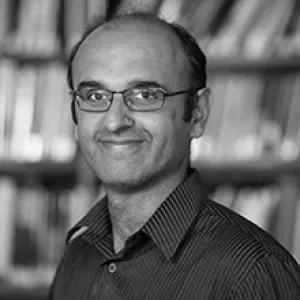
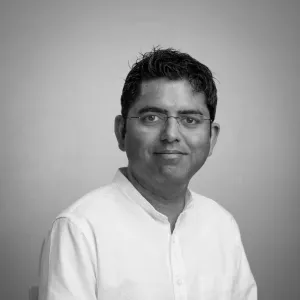
Dr Avidesh Seenath, Course Director
The course is organised around three themes:
- Understanding environmental change
- Policy responses to environmental change
- Methods and techniques for evidence-based decision-making
Aims and learning outcomes
-
Discover the knowledge, skills, and leadership qualities you will gain for meaningful roles in environmental policy and practice.
The MSc ECP aims to:
- Examine the nature, causes, and impacts of major types of global environmental changes, and how these changes operate and interact across space and over time and in relation to physical, ecological, social and cultural systems.
- Engage the economic, legal, cultural, and ethical underpinnings of environmental responsibility and systemic policy solutions, including mitigation, adaptation, remediation, enhanced resource stewardship and other sustainable responses to environmental change across space and over time.
- Empower environmental policy- and decision- makers with the analytical and practical skills, integrity, and a critical understanding of physical, ecological, social, and cultural systems in relation to environmental change, necessary to address the world’s most pressing environmental problems.
- Integrate students into the world-leading research taking place in the Environmental Change Institute and the wider School of Geography and the Environment.
- Enhance students personal and professional development, embedding the knowledge and skills needed to go on to further advanced research, policy, academic business, NGO or other environmental leadership work in the Environmental Change Institute and elsewhere.
On successful completion of the MSc ECP, the programme learning outcomes (PLOs) ensure that students will be able to:
- Design and evaluate actionable policies responding to environmental change. This will be achieved through the following key supporting outcomes:
- Understand and critically appraise the key drivers, dimensions, theories, and debates related to environmental changes, their inter-connections, and to policy and action.
- Analyse, select, and apply key research skills, methods and techniques for understanding and responding to environmental change.
- Communicate and collaborate with diverse audiences to support environmental leadership and empowerment.
Course structure
-
Find out how the course is structured across six modules and three terms.
The course comprises six core modules:
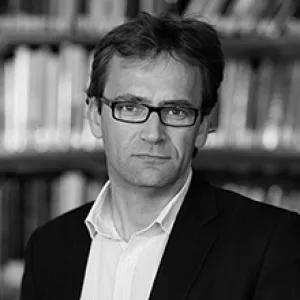
- Dimensions of Environmental Change (DEC), co-led by Dr Tom Harwood and Professor Myles Allen, will be a scene-setting module, designed to explore the multi-dimensions of environmental change, focusing on the science, governance, economic, social, and international perspectives.
- Framings of Environmental Change and Policy (FoECP), led by Professor Yadvinder Malhi, employs the concept of ‘framing’, using diverse disciplinary lenses, to examine core theories and debates related to environmental change and policy. Concepts such as the “Anthropocene”, “Sustainable Development”, “Natural Capital”, among others will be critically examined from multiple theoretical and socio-political perspectives.
- Methods for Research (MfR), led by Dr Avidesh Seenath, is designed to equip you with interdisciplinary methods (quantitative, qualitative, and geospatial) to inform research design and applications relevant to understanding environmental change, which are critical for informing policies to address key environmental challenges.
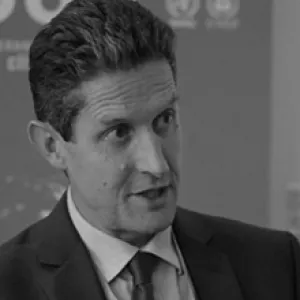
- Systems Thinking for Environmental Change and Policy (STECP), co-led by Professor Michael Obersteiner and Dr Monika Zurek, is designed to explore how natural and social science dimensions of environmental change can be integrated in research and practice by recognising their dynamic interactions, trade-offs, synergies, and emergent phenomena within social, cultural, political, and power-laden contexts. It reflects how environmental issues arise and are governed in the real world.
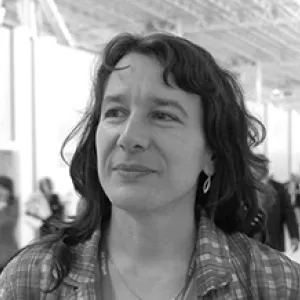
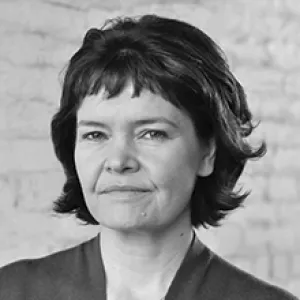
- Transformative Policy and Practice (TPP), co-led by Dr Sam Hampton and Kate Raworth, is designed to engage you with key debates on transformative change, exploring diverse approaches across contexts, such as food, energy, and land use. It fosters critical analysis, collaborative learning, and communication skills that support leadership and community empowerment in driving transformation.
- Methods for Policy Analysis (MfPA), co-led by Professor Jan Rosenow and Dr Safa Fanaian, is designed to equip you with interdisciplinary methods to inform decision-making about management of the environment. Examples will be drawn widely from environmental management, but with a particular emphasis upon decisions about adaptation and mitigation.
Together, these modules provide an integrated understanding of environmental change and equip students with the conceptual and practical tools needed for effective policy design and implementation in the field. They have been designed to map onto the standard policy cycle and PLOs as below:
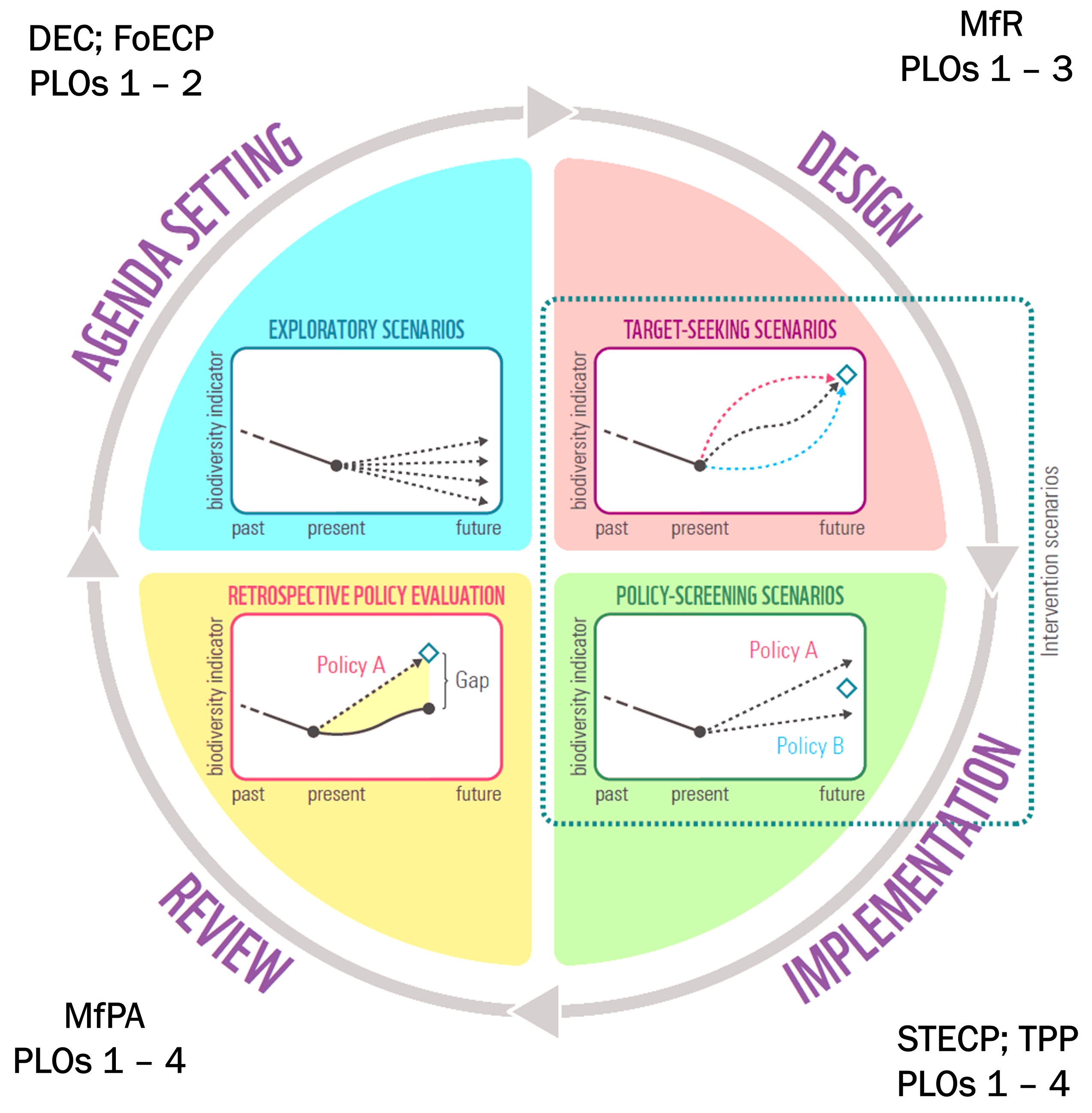
Additionally, you will be required to take two elective modules, one each in Michaelmas and Hilary . The elective modules are shared with the other MSc courses in the School of Geography and Environment and, therefore, encourage interdisciplinary thinking. These modules offer a teaching and discussion environment within smaller groups and are designed to provide formative support for the summative assessments.
During term time in Michaelmas and Hilary, a typical week will include core module and elective sessions, alongside a weekly 1-hour class meeting. Teaching styles may vary across the core and elective modules to reflect different learning objectives and instructor approaches. Each core module will involve three hours of weekly teaching while elective modules offer eight hours of teaching spread across four weeks in the middle of the term.
Throughout the academic year, you will be expected to undertake substantial self-directed learning to deepen your understanding of material introduced in class.
In addition to classroom-based learning, you will work on an independent research paper, supported by a dedicated supervisor. You will develop your research topic during Michaelmas and Hilary, with most of the research and writing taking place in Trinity and over the summer months.
Field-based learning
-
From the Lake District to Brussels, discover how our field trips connect classroom learning with real-world environmental policy challenges.
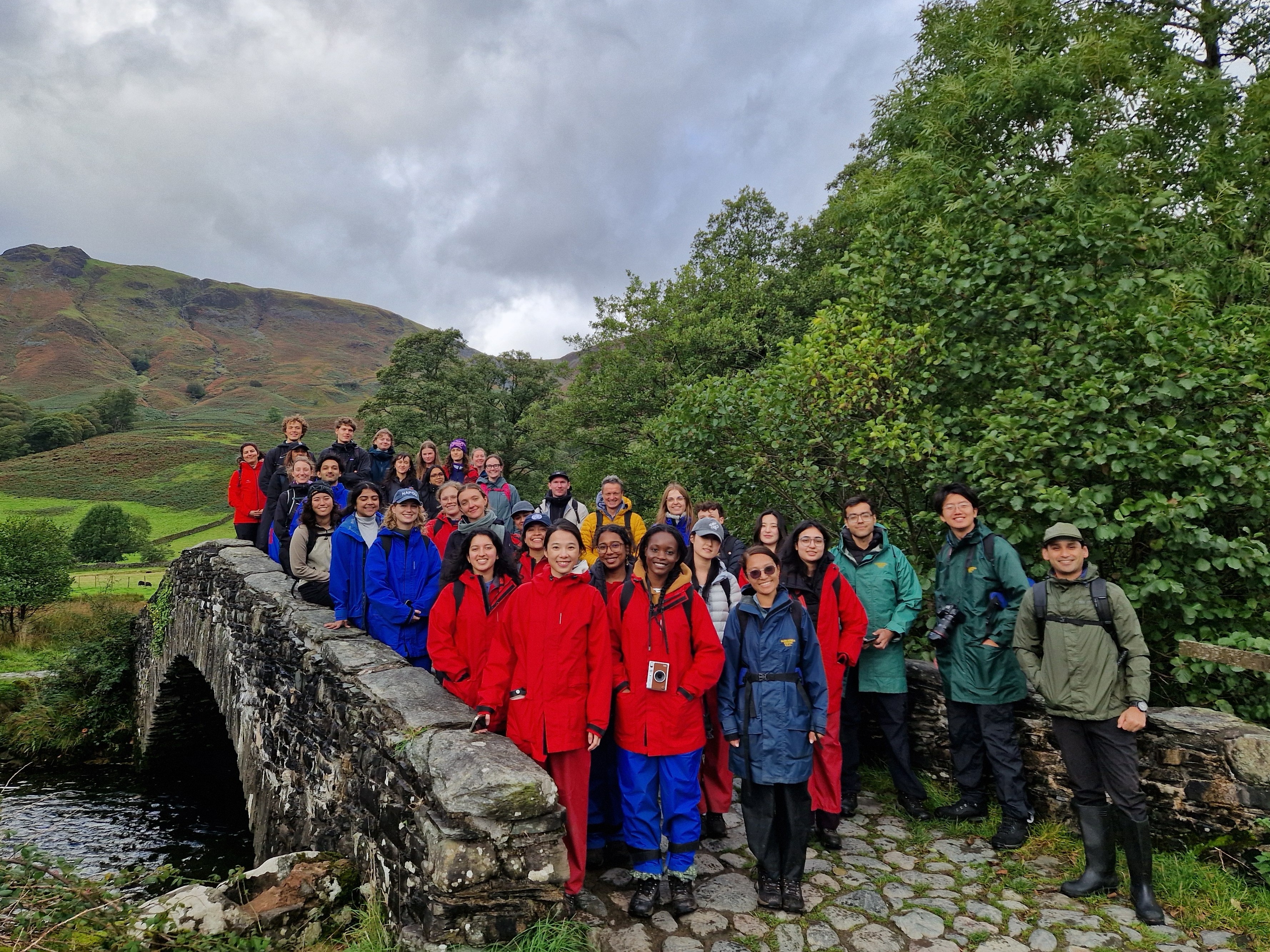
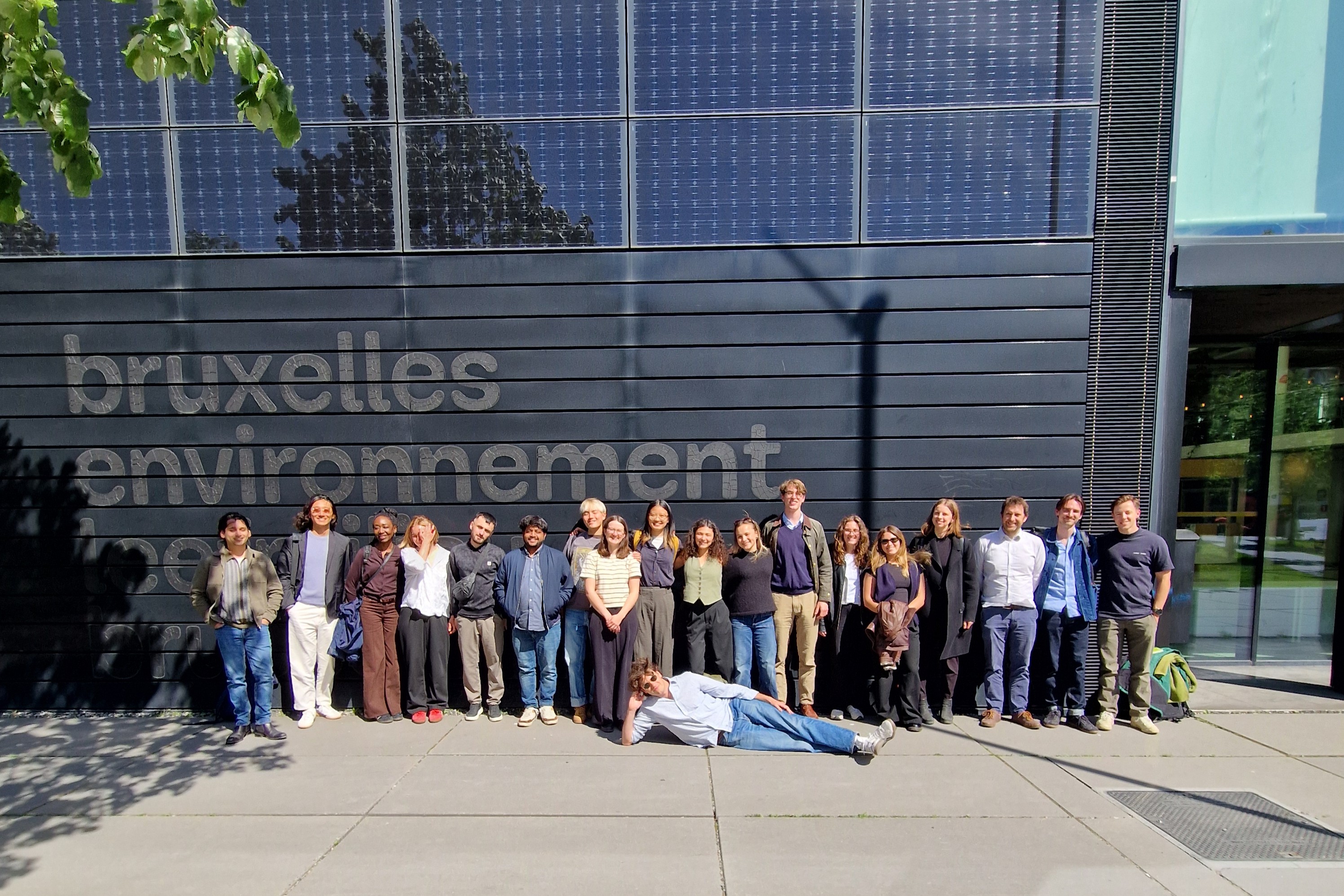
An integral and compulsory part of ECP are two short residential field courses. These include a scene-setting pre-course induction trip to the Lake District National Park (Michaelmas) around the understanding environmental change theme of the course, and a policy-focused trip to Brussels (Hilary) around the policy responses to environmental change theme of the course.
Additionally, there will be about four day trips, two each in Michaelmas and Hilary. These are designed to complement and reinforce the learning acquired from core modules, covering all themes of the course, including understanding environmental change, policy responses to environmental change, and methods and techniques for evidence-based decision-making. These trips may include a visit to key sites around Oxford, including Wytham Woods (Michaelmas), FarmED (Hilary), and HR Wallingford (Hilary).
Our field courses involve a great deal of time spent outdoors, in order to explore critical environmental change issues and associated decision-making.
Supervision
-
Learn more about how you will be supported throughout the course.
The course has an Academic Director - Professor Michael Obersteiner - and a Course Director - Dr Avidesh Seenath - who looks after the day-to-day running of the course. Throughout the Michaelmas and Hilary, your Course Director will act as your personal academic advisor.
For your research paper, you will be assigned a supervisor with relevant expertise, typically a member of the Environmental Change Institute's academic staff, who will provide up to eight hours of research supervision.
Assessment
-
Find out more about the assessments designed to mirror professional practice and support your learning.
The MSc ECP will be assessed by six summative assessments, which include a diverse range of assessment methods, including written assignments (such as a literature review and research/funding proposal), oral presentation, written examination, and a research paper.
This diversity in assessment style will not only build competence in employer-relevant presentation skills, but also help facilitate inclusivity.
Dr Avidesh Seenath, Course Director
Professor Michael Obersteiner, Academic Director
You will be supported for each of these assessments through a range of formative assessments throughout the first two terms and across the various field trips.
Graduate destinations
-
Discover the global career paths of ECI graduates in government, NGOs, business, and international organisations.
Careers and employability data for MSc graduates from the Environmental Change Institute (since 1994) show that 40% work in the business sector, 20% in universities, research, or education, 13% in national or local government, 10% in NGOs or not-for-profits, 9% in intergovernmental organisations, and 6% are self-employed or in other roles. Among those in the university, research, or education sector, most focus on policy-oriented research related to environmental management. Overall, the majority of our MSc graduates are involved in environmental change policy work. Many go on to work at organisations such as the United Nations, the UK Government, the World Bank, Acclimatise, the Australian and Canadian Governments, Boston Consulting Group, Carbon Trust, ClientEarth, EcoSecurities, Environmental Resources Management, the European Commission, Ernst & Young, GIZ, IUCN, McKinsey, PwC, the US Government, the World Resources Institute, and WWF.
Graduates pursue roles including advisors, regulators, consultants, researchers, campaigners, and social entrepreneurs, particularly in the energy and climate sectors. Most ultimately enter careers in policy-making organisations or roles with a strong focus on environmental policy.
Entry requirements
-
Learn more about the entry requirements, including academic background, professional experience, English language criteria, and guidance for international students.
As a minimum, applicants should hold or be predicted to achieve the equivalent of the following UK qualifications:
- a first-class or strong upper second-class undergraduate degree with honours in a subject within environmental and natural sciences, geography, social sciences or other relevant discipline.
If your degree is not from the UK or another country specified above, visit the University's International Qualifications web page for guidance on the qualifications and grades that would usually be considered to meet the minimum entry requirements.
You should demonstrate relevant environmental experience and/or a deep interest in the environment in your application, particularly in areas that align with the core themes, aims and objectives of the course. Assessors will be interested in what you can bring to the course in terms of relevant skills and experience.
A foundational understanding of both quantitative and qualitative data analysis is desirable.
The course requires proficiency in English at the University's higher level.
Interviews may be held as part of the admissions process.
How to apply
-
See what the application process requires: personal statement, written work, and references.
For details on how to apply and to submit an application, see the MSc ECP Graduate Admissions Page.
As part of your application:
- You must register three referees, at least two of which must be academic.
- Provide a personal statement in English that explicitly addresses three specific questions, which will be revealed at the start of the admissions cycle via the Graduate Admissions page.
- Complete a written task as part of your application. This is a critical component of the admissions process and failure to submit this task will result in your application not being considered. The Graduate Admissions page will provide for further details on this requirement, at the start of the admissions cycle.
Your personal statement will be assessed for (a) your reasons for applying; (b) your ability to present a coherent case in proficient English; (c) your commitment to the subject, beyond the requirements of the degree course; (d) your preliminary knowledge of the subject area and research techniques; (e) your capacity for sustained and intense work. Your written work will be assessed for (a) a comprehensive understanding of the subject area, including problems and developments in the subject; (b) your ability to construct and defend an argument; (c) your aptitude for analysis and expression; (d) your ability to present a reasoned case in proficient academic English.


Teaching team






External teaching team


What our students say

Being an MSc ECI student has been very rewarding. It provides us with a platform to test our ideas and assumptions, and to have them be challenged by our peers. At the end of the day, we arrive at a deeper understanding of the most pressing environmental issues of our time and inch ever closer to potential solutions, which are enriched through the diversity of perspectives brought by our international cohort. I would recommend the program to anyone in a heartbeat!

When I look back on my year at Oxford, what stands out most is my cohort. ECI brings together students from all over the world and from backgrounds as diverse as international relations, economics, law, geology, and engineering. From day one, our teachers told us that we would learn as much from each other as from the programme itself. They were right. The conversations, friendships, and shared experiences have been just as formative as anything I learned in the classroom.

As I step away from Oxford life and have some time to unwind and reflect, I realise that this year is indeed the highlight of my life. I have a feeling that what I gained from ECM goes far beyond academics. It has shaped the way I think, how I make sense of the world around me, and has taught me how to sit with complexity. It was not only a transformative academic experience, but also a deeply personal one. That way of seeing the world is something I will carry with me into the field, into my career, and into life itself.

Being an MSc ECI student means learning, growing, and challenging yourself in a welcoming environment. It means building connections with like-minded peers from around the world and experiencing new places through field trips.

Studying at the ECI has been a life-changing experience. It has given me the opportunity to learn from the incredible depth of experience of teaching staff and students from across the world.

Being an MSc ECI student was an adventure full of muddy boots, inspiring conversations, and plenty of moments that completely changed the way I thought about the world. One term I was exploring restored forests and renewable energy projects in the UK, and the next I was walking through EU institutions in Brussels, seeing how environmental policies actually come together. What I've enjoyed most was learning alongside people from all over the world (the best course mates, Avidesh and Faith😊) who brought different perspectives and experiences. It was challenging, exciting, and genuinely a lot of fun.

The master's programme has been everything I hoped it would be, and more. The cohort was incredibly diverse, with people from all over the world and no two backgrounds remotely the same. We had ecologists sitting next to economists, lawyers next to biologists, people who had spent years in conservation NGOs next to those coming straight from undergraduate degrees in politics. The conversations that happened over coffee, in the seminar room, and at the pub afterwards were often as valuable as the lectures themselves. You quickly learn that environmental problems do not respect disciplinary boundaries, and that solving them requires the kind of cross- pollination the programme deliberately cultivated.

The highlight of the course for me was how much the staff genuinely cared about making it a formative experience for students.
If you're expecting stereotypes - silent halls and stern professors - you couldn't be further from the truth. The ECI has a friendly & welcoming atmosphere, with interactive classes and plenty of opportunities to connect with people, be that fellow students, staff or the head of the Institute. From ECI coffee mornings and field trips to potlucks and jollof rice cooking competitions, you will be given opportunities to learn more about each other’s work and find your community. And while it feels more like fun than networking, you might find your dissertation supervisor at one of these events. To me, the course demonstrates that academic excellence can go hand in hand with approachability. The staff are world-leading experts in their fields, yet they are genuinely invested in their students' learning and development.
Academically, the programme delivers exactly what it promises. It provides a holistic understanding of environmental challenges, spanning the natural sciences, economics, policy, and the intersections between climate change and social inequality.

At the Environmental Change Institute, I work with researchers and practitioners to address complex environmental challenges from multiple perspectives. The Institute’s interdisciplinary approach strengthens my analytical and critical thinking skills. Through my research on scaling clean technological innovations for future energy systems, I develop a systems-level understanding of how technology, policy, and private-sector decision-making interact to drive the net-zero transition.