


What will the world’s food systems look like in 2050? How can we ensure everyone has access to healthy, sustainable food, even as climate change, technology, and global markets reshape what’s possible?
Scientists at the Environmental Change Institute (ECI) are breaking new ground in understanding how our food systems might evolve in the coming decades using scenario tools. Unlike traditional studies that track predictable trends, ECI researchers focus on critical uncertainties—factors that are unpredictable but could dramatically reshape food production and consumption.
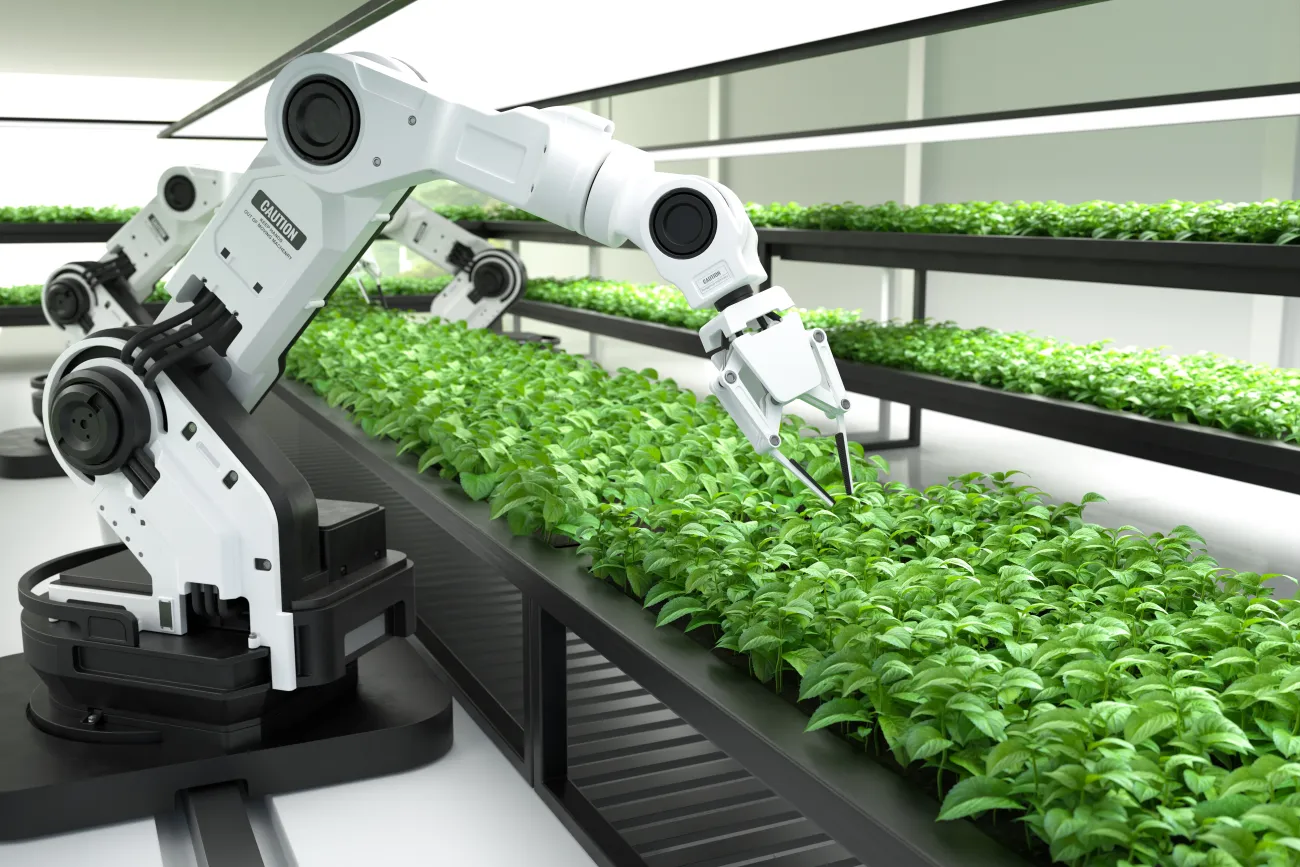
Dr Bhawana Gupta, researcher and lead author, together with ECI colleagues Dr Monika Zurek, Food Systems Transformation Group Lead, Prof John Ingram, Associate Professor, and senior consultant Jim Woodhill, co-leading the Foresight4Food Initiative, are examining these big unknowns. They include climate change, shifts in what people eat, technological breakthroughs like AI and automation, and the structure of global food markets. By mapping these uncertainties, the team creates scenarios that explore different possible futures.
But they’re not just imagining incremental changes. The researchers also enlisted which radical ideas (seemingly extreme possibilities that could completely transform the food system) need deeper exploration in scenario exercises. Examples include extreme social stratification, state data sovereignty, food as medicine, fully automated food system, AI-driven personalised diets, home-based meat and dairy production, global efforts to dedicate vast areas of land to ecological restoration etc. While some ideas may sound futuristic, they reveal opportunities, risks, and gaps in current food policies.
Dr Bhawana said:
Our aim is to equip policymakers and practitioners with tools to think beyond business-as-usual. By exploring radical and uncertain futures, we’re not only anticipating risks but also uncovering opportunities to reshape food systems.”
Another focus of the ECI team is governance: who makes the decisions that shape food systems? Their work shows that whether governments, communities, corporations, or global institutions take the lead will dramatically affect outcomes—from food security to climate resilience to social equity.
The research also highlights the need for inclusive, participatory approaches. By involving stakeholders from around the world—including those in Asia, Africa, Latin America, and the Middle East—future scenarios can better reflect local realities and ensure that marginalised voices are heard.
Ultimately, the ECI authors aim to provide tools and insights for policymakers, scientists, and communities to anticipate challenges, test bold solutions, and plan for a resilient, equitable food future. Their work reminds us that while the future is uncertain, careful foresight and creativity can help shape it for the better.
Read the paper in Frontiers in Sustainable Food Systems: Advancing the Next-Generation of Global Food System Scenarios: A Critical Review of Existing Narratives