

Human activity does more than emit greenhouse gases—it also releases heat directly into the environment, adding an often-overlooked layer to global warming.
While greenhouse gases remain the dominant driver of climate change, the study highlights a smaller but measurable additional effect from human-generated heat. Globally, this direct heat release is estimated to contribute around 3% of the current rate of warming, based on Earth’s energy imbalance. Its effects are short-lived compared to greenhouse gases but can be more noticeable locally, where it may intensify peak temperatures during hot periods.
According to a new study co-authored by Dr Tom Harwood, Associate Director at the Environmental Change Institute, over the past 25 years, the cumulative effect of the additional energy input is roughly equivalent to one year of warming from greenhouse gases.
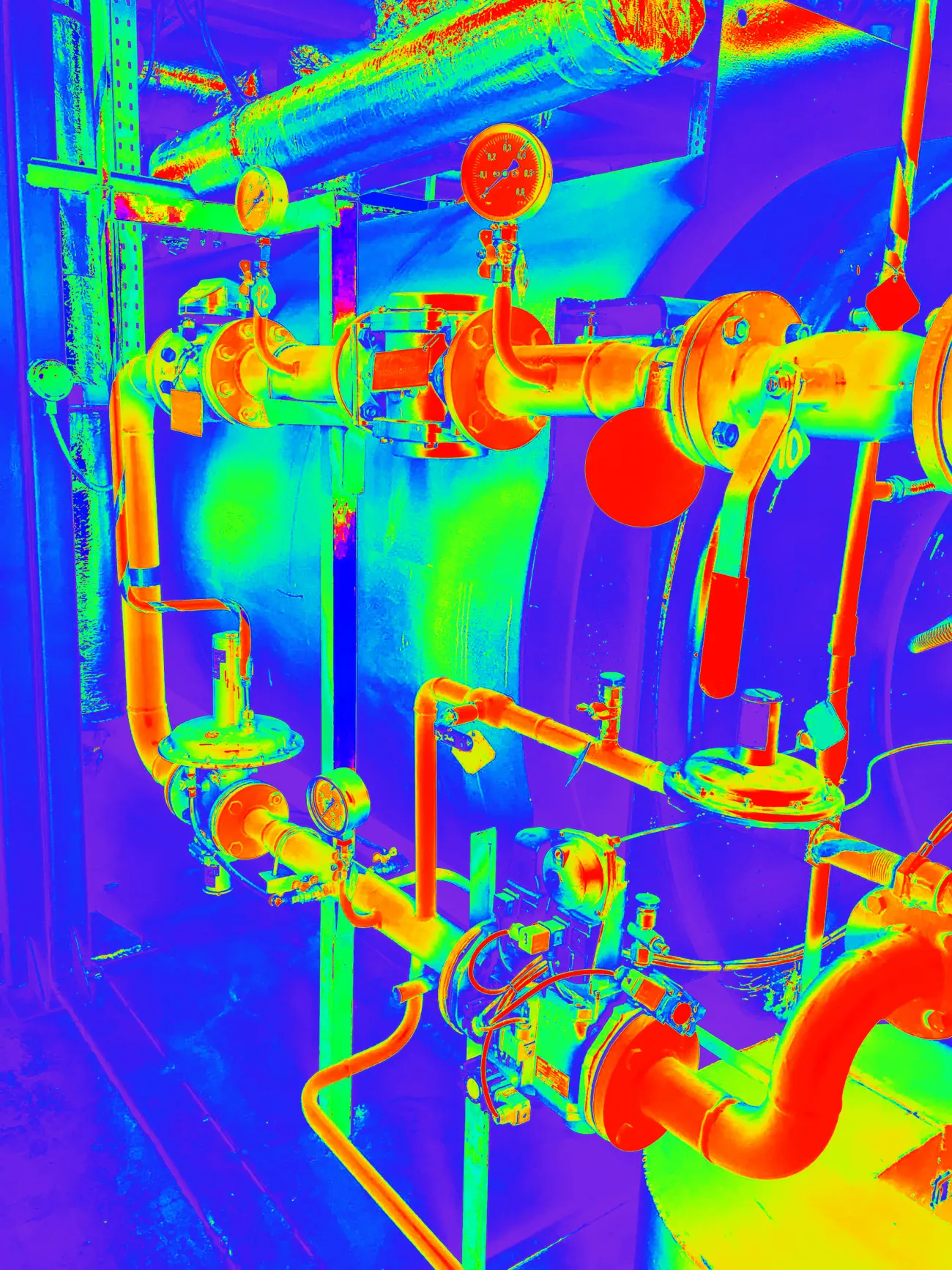
While CO₂ and other greenhouse gases remain the primary drivers of climate change, the research highlights how industrial processes, fossil fuel use, and other forms of energy release contribute measurable heat to the lower atmosphere. This effect is more transient, but some of this heat is absorbed into the land surface, exacerbating the warming problem.
The study also points to practical solutions: industrial heat reuse, process replacement, and more efficient energy management could help reduce peak temperatures caused by human-generated heat.
Dr Harwood co-authored the study with colleagues from Freiberg University of Mining and Technology and Danube University Krems. He said:
All energy eventually becomes heat. However, if we can capture, reuse, or redistribute it wisely, we can buy ourselves crucial time in managing climate impacts—whilst keeping our eye on the bigger problem of greenhouse gases.”
The study broadens the conversation about climate mitigation, reminding us that human ingenuity and engineering solutions are key levers in maintaining Earth’s thermal balance.
Read the full paper in Chemie Ingenieur Technik: Rethinking climate change: On the role of human power generation, alternative perspectives and the potential of engineering and natural sciences as solution providers and a plea for action