







Researchers from the Environmental Change Institute (ECI) travelled to Mauritius last week as part of the M-STAR initiative, bringing together researchers, government, business and other local partners to explore how climate risks to the country's critical infrastructure can be better understood and managed.
The visit provided an opportunity for the Oxford Programme for Sustainable Infrastructure Systems team to introduce the Mauritius Strategic Tool for Assessment of Risk (M-STAR) to partners across Mauritius and to discuss how it can support decisions about climate adaptation and infrastructure investment. Here, the team takes a closer look at the work and what it could mean for Mauritius.
M-STAR is being developed through a collaboration between the ECI at the University of Oxford and Université des Mascareignes, with support from the UK Foreign, Commonwealth & Development Office and British High Commission. The initiative brings together Oxford's expertise in infrastructure systems and data with local knowledge and expertise from partners in Mauritius.
The tool is designed to help identify and assess how climate change could affect interconnected infrastructure systems, including transport, water and energy. By bringing together data on climate hazards, infrastructure vulnerabilities and economic impacts, M-STAR aims to help identify where investment could have the greatest impact. This information and analysis should then support project preparation and improve access to climate finance, strengthening Mauritius's resilience to climate change.
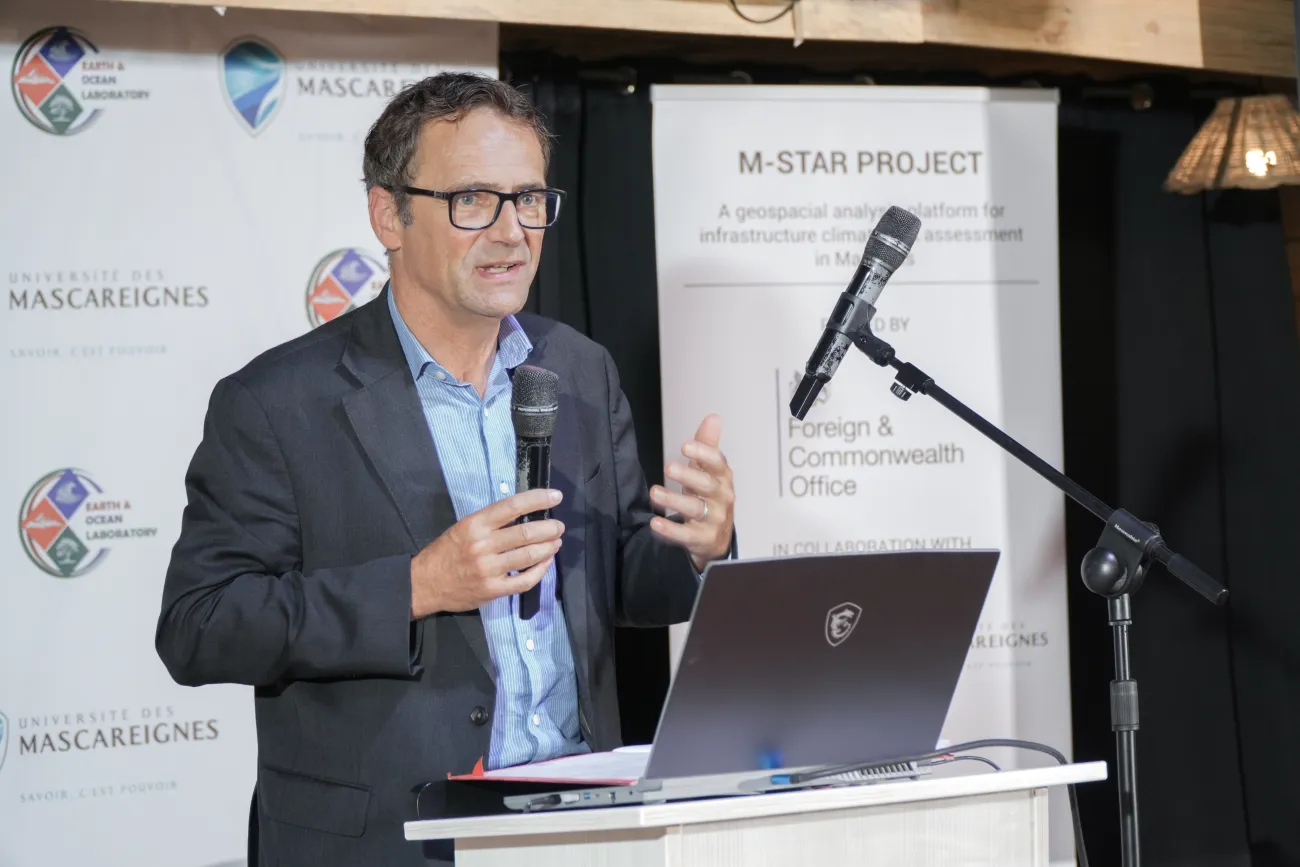
Prof Jim Hall, Professor of Climate and Environmental Risks at the Environmental Change Institute and Lead of the Oxford Programme for Sustainable Infrastructure Systems, said:
Climate risks do not affect infrastructure systems in isolation. A disruption to one part of the system can have consequences for others, with knock-on effects for communities and the wider economy. M-STAR is designed to help bring these connections into view, providing decision-makers in Mauritius with evidence to understand where climate risks are greatest and where investment in adaptation and resilience could have the greatest impact.”
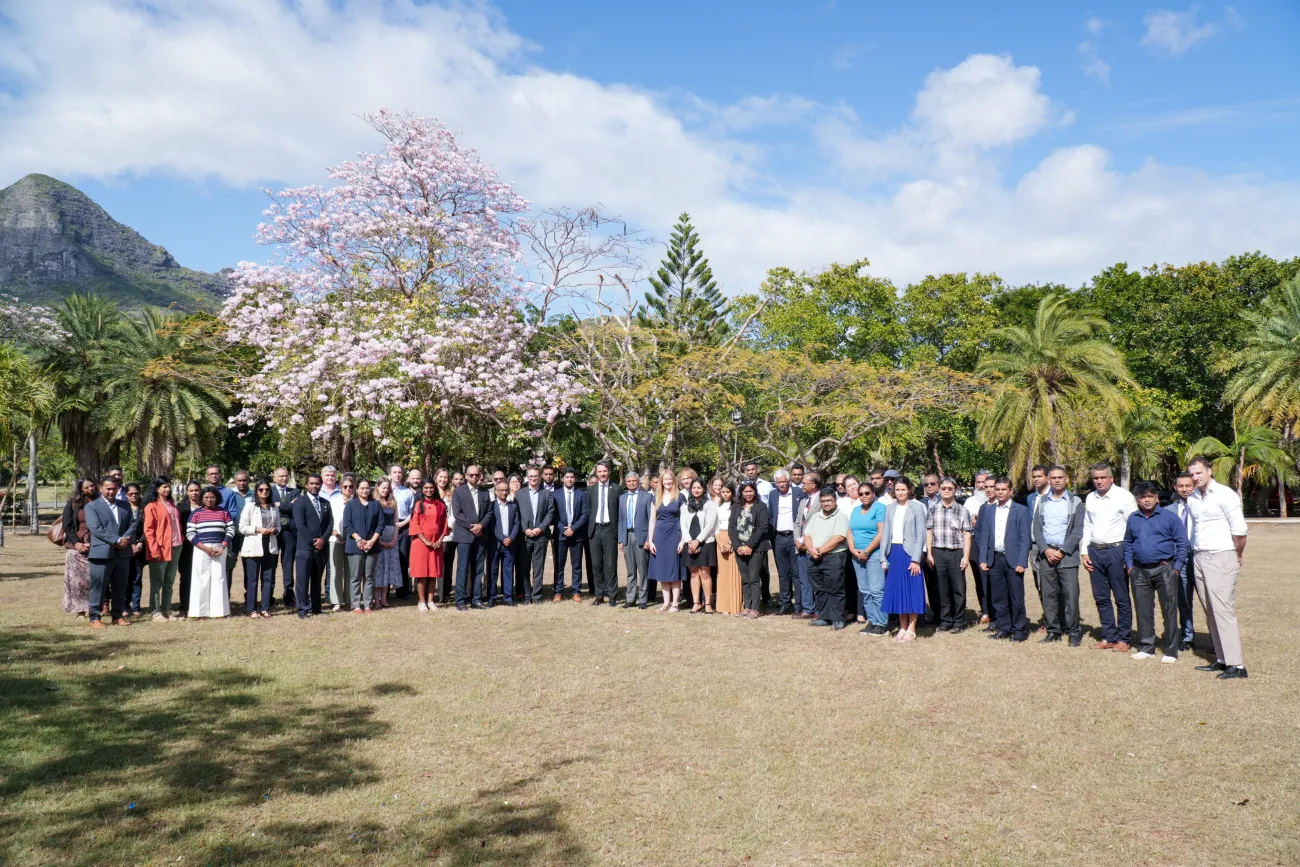
Bringing research into practice
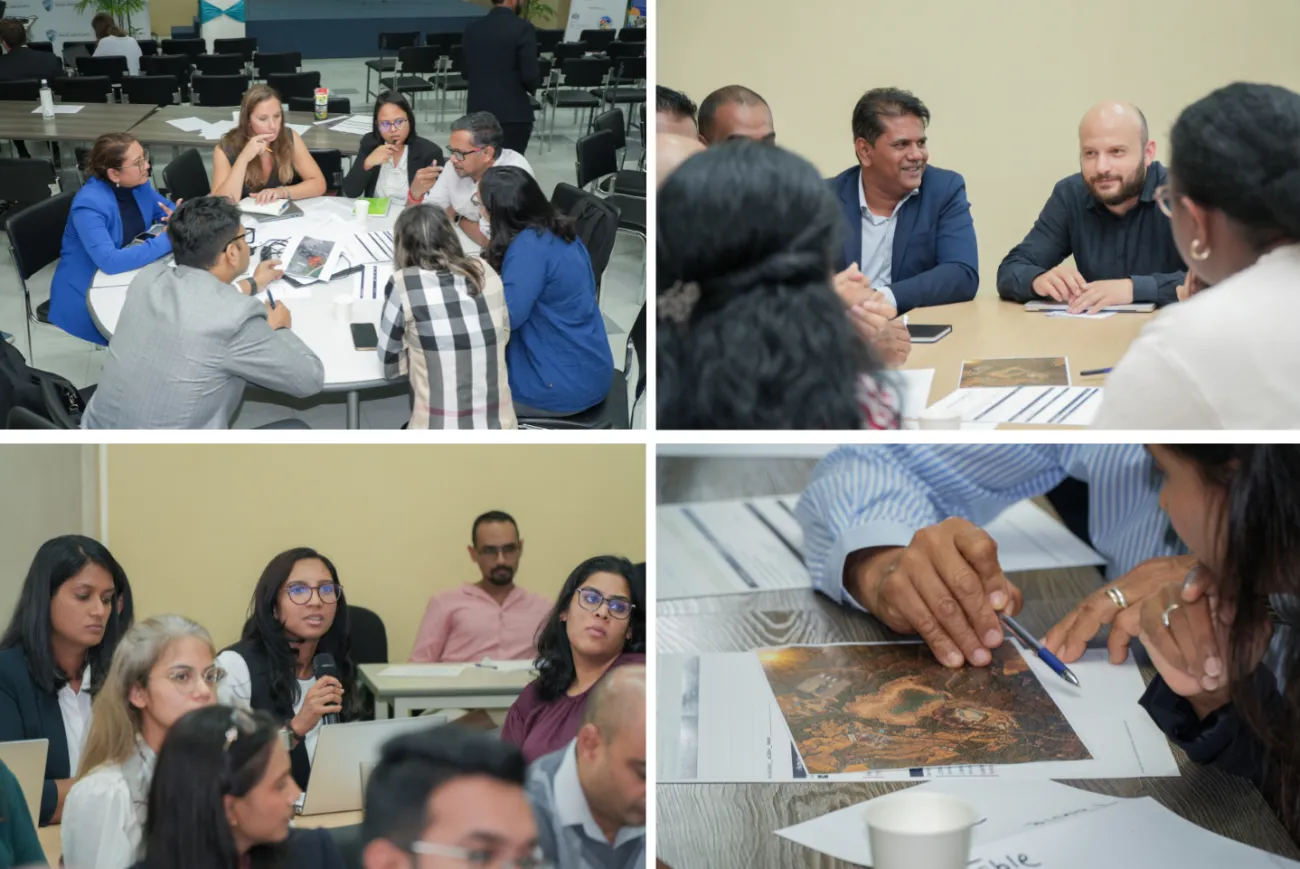
During the visit, we took part in an inception workshop at Domaine Les Pailles, bringing together public sector partners to discuss the development and application of M-STAR in Mauritius.
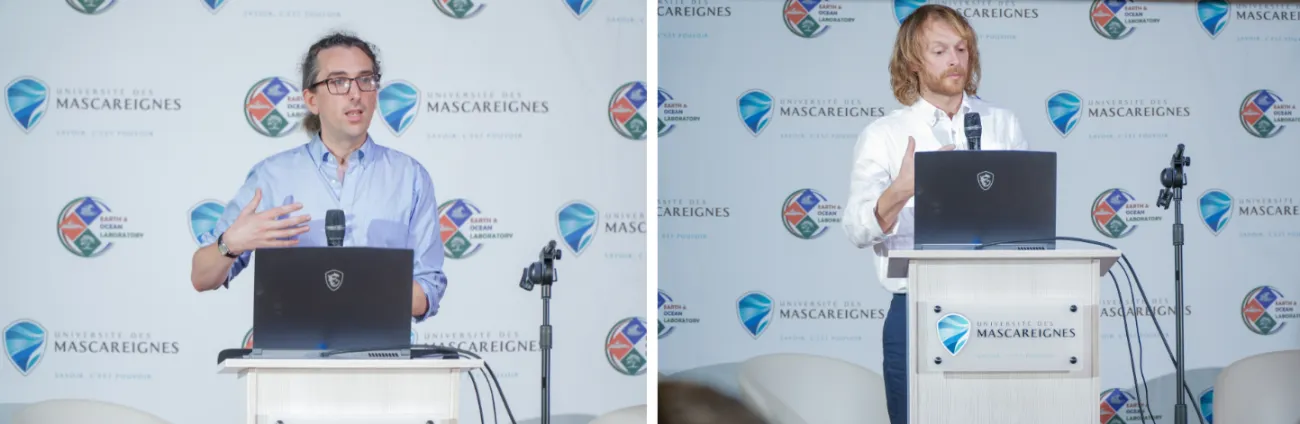
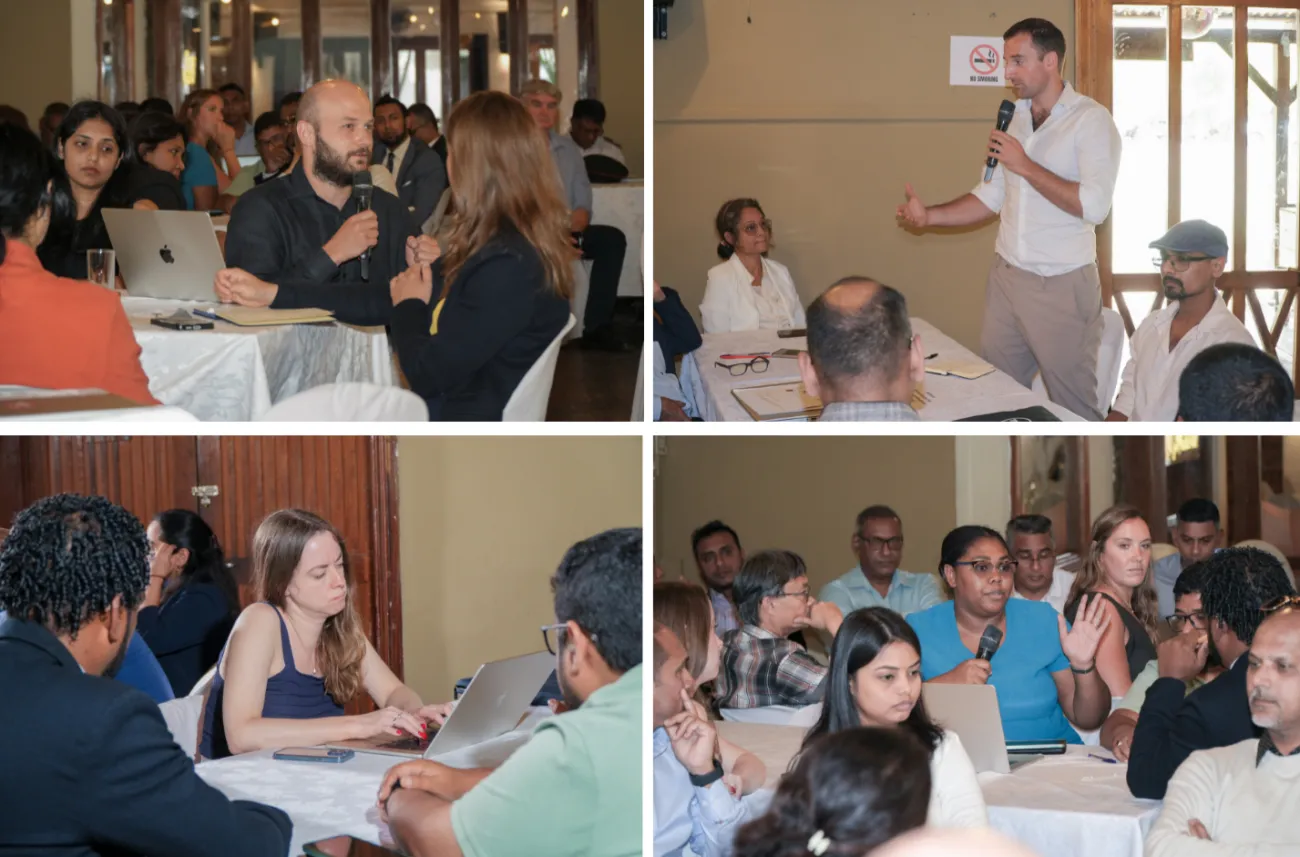
A further business workshop was held at Université des Mascareignes, providing an opportunity to engage with representatives from the private sector and explore how climate risk information could support businesses and investment decisions.
The visit also highlighted the collaborative nature of the project, with ECI researchers working closely with colleagues at Université des Mascareignes, in particular pairing up across institutions at the level of energy, transport, water and economic loss modelling and analysis: from the University of Oxford, Silvia Colombo (water), Robyn Haggis (nature-based solutions), Jim Hall (principal investigator), Carlo Palazzi (energy), Tom Russell (technical co-lead), Ivann Schlosser (economic loss), and Fred Thomas (technical co-lead) attended; Jim O’Donnell (software tool development) and Tim Fowler (project management) are essential to the project but didn’t travel on this occasion; and from Université des Mascareignes, Shoaib Casseem (energy), Jay Doorga (project lead), Kamlesh Greedharry (advisory), Olivier Maigre (economic loss), Sadien Murughen (transport), Abdallah Peerally (water), and Keshav Sewraj (advisory).
The visit also attracted interest from the Mauritian media, with local coverage highlighting M-STAR and its potential to help Mauritius assess its exposure to climate-related risks.
The visit was an important step in taking M-STAR from research into practice. The team will continue working with partners in Mauritius to build the evidence and relationships needed to support more resilient infrastructure and climate adaptation.
In a recent interview with Le Défi, Prof Jim Hall discusses M-STAR and its development in Mauritius.
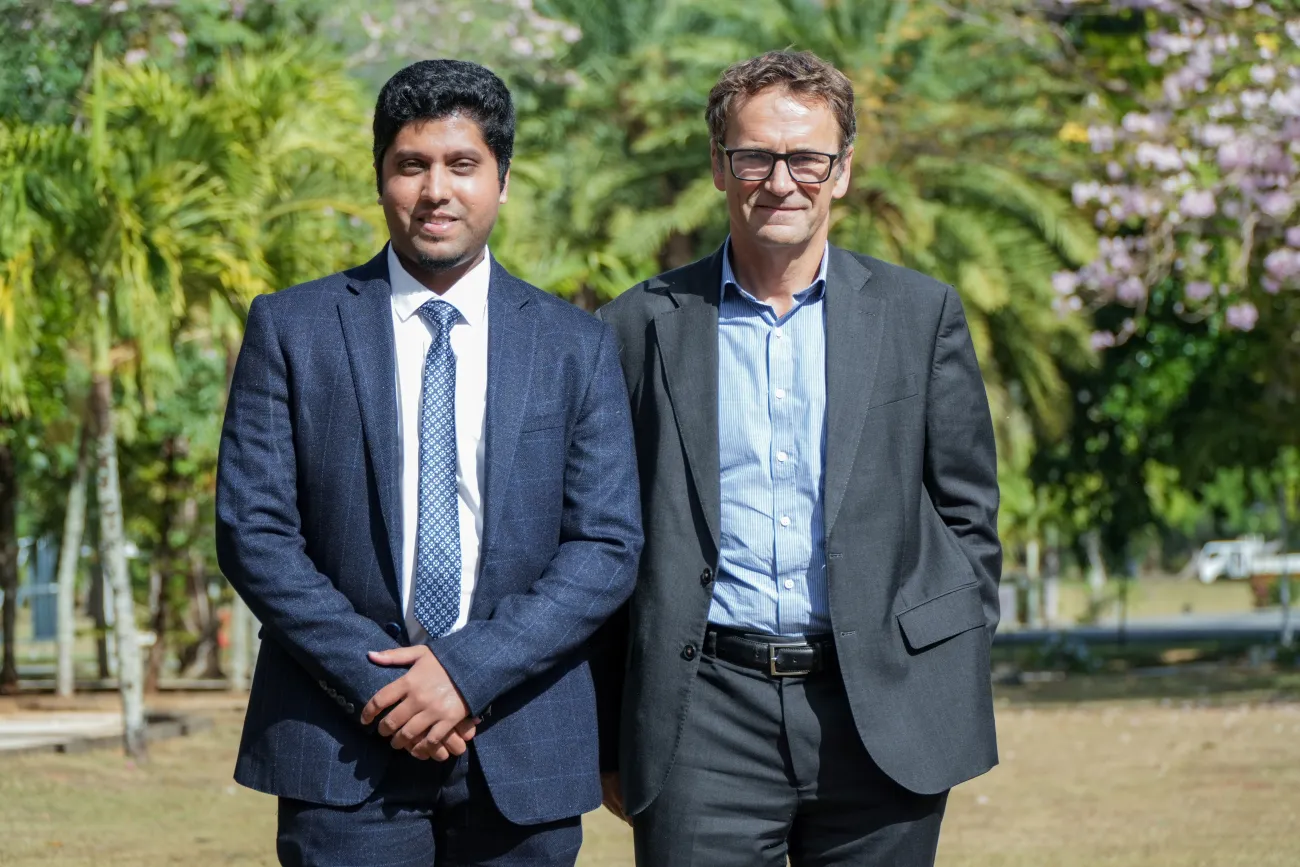
Dr Jay Doorga, National Coordinator at the University of the Mascarenes, and Professor Jim Hall, Professor of Climate and Environmental Risks at the Environmental Change Institute and Lead of the Oxford Programme for Sustainable Infrastructure Systems