

Scientists can develop promising new ways of making food ingredients in the lab — but that does not mean they will automatically end up in everyday products on supermarket shelves.
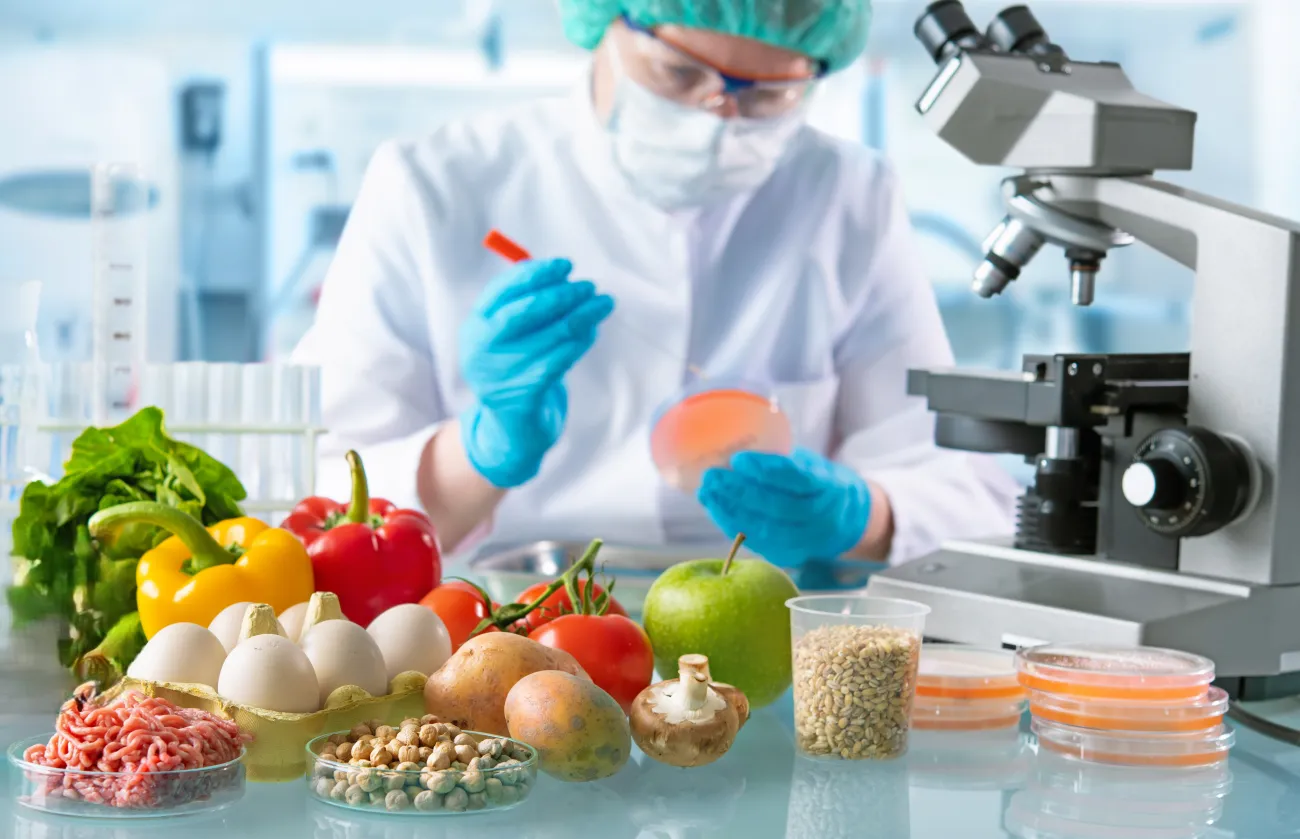
That's the key message from a new study co-led by researchers at the Environmental Change Institute (ECI) at the University of Oxford which looked at what really determines whether emerging food technologies succeed beyond the laboratory.
The work focused on precision fermentation, an innovative process that uses microorganisms such as yeast to produce useful ingredients for food and nutrition. While it is often presented as a more sustainable way to produce certain ingredients, with less reliance on land-intensive agriculture and the potential for more stable year-round production independent of seasonal and climatic variability, researchers say the reality of adoption is far more complex.
Using beta-carotene — a nutrient and natural orange pigment used in foods, supplements and cosmetics — as a case study, the CAROWIA project explored what happens after a technology has been proven to work technically.
The researchers found that even when production looks economically promising, wider factors can determine whether it is taken up at scale. These include the high cost of building industrial facilities, regulatory approval processes, competition from existing ingredients, and how consumers perceive foods made using new technologies.
Dr Jing Zhang, Lead Researcher on the CAROWIA project, said:
The key point is that success is not just about whether something works in the lab. Whether it is adopted depends on how it fits into the wider food system — including regulation, investment, supply chains and public trust.
This research highlights that developing new technologies is only part of the story. Understanding how they fit into real-world systems is just as important if they are to make an impact.”
The study estimates that precision fermentation-derived beta-carotene could potentially be produced at around £26 per kilogram, placing it within the range of higher-value natural alternatives already available on the market.
However, researchers say this does not automatically make it competitive. Many established ingredients are already widely available, well understood, and integrated into existing manufacturing systems.
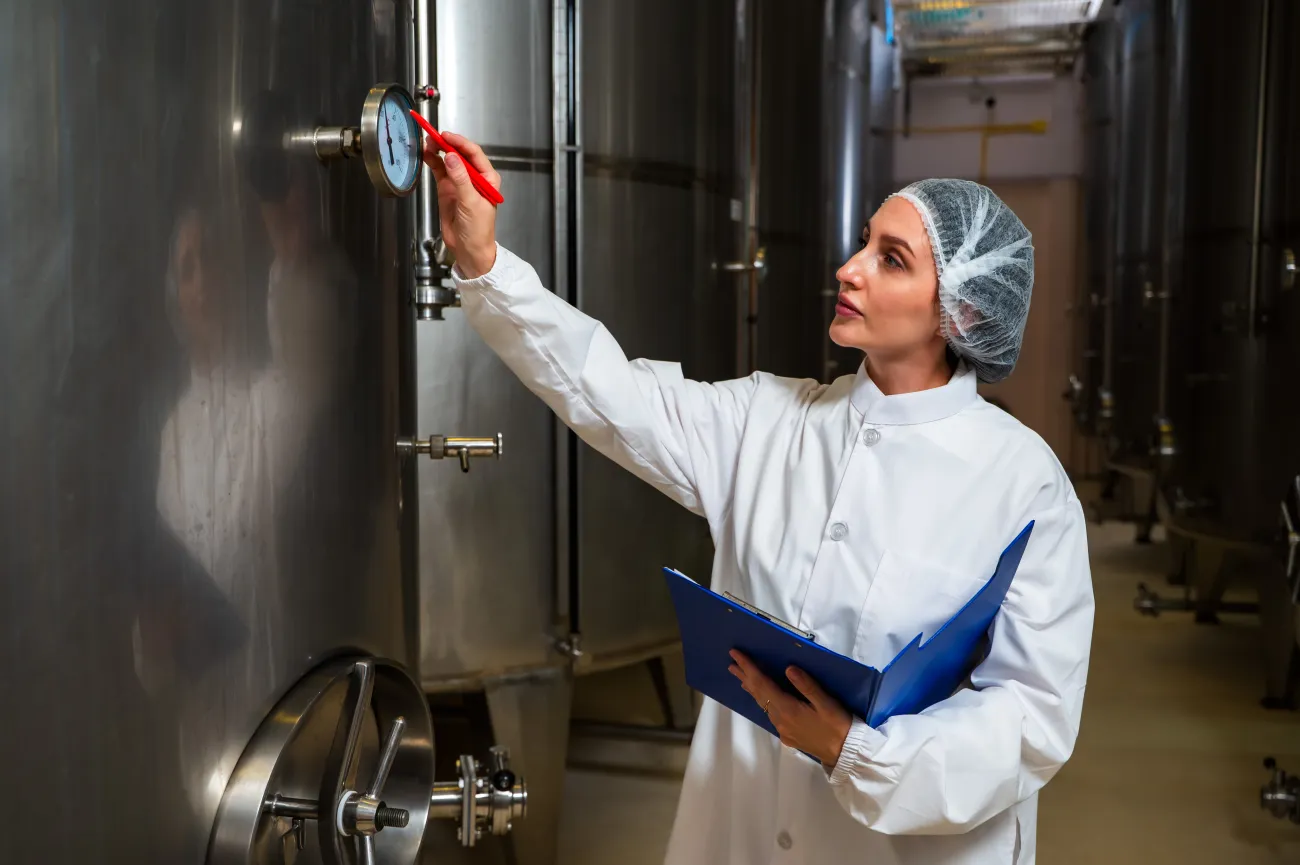
A separate market and policy analysis on precision fermentation-derived beta-carotene commissioned by the CAROWIA project highlights that companies operate in mature, cost-sensitive markets where new ingredients must compete with well-established synthetic and naturally sourced alternatives. It also points to how existing supply chains and regulatory systems shape the pace at which new technologies can be introduced.
The CAROWIA project suggests that the future of food innovation depends not only on scientific breakthroughs, but also on whether the wider system — including regulation, markets and consumer expectations — is ready to support them.
The project was co-led by researchers from the Food Systems Transformation Group at the ECI and the Bezos Centre for Sustainable Protein at Imperial College London, and funded through the UKRI Multidisciplinary Food Systems Commercialisation Catalyst Award. Further research building on these findings is now underway.
Read the project’s final report: Beyond technical feasibility: Precision fermentation-derived micronutrients for food system applications
Get involved
Would you like to share your views on precision fermentation in food system applications?
CAROWIA researchers are conducting a short anonymous survey to explore stakeholder perspectives on the opportunities and challenges of precision fermentation in food system applications. The survey consists of ten short questions.
Stakeholder perspectives on precision fermentation in food system applications
Complete this form to take part
If this is relevant to your work — or something you’re interested in — your input would be greatly appreciated."