
Clean cooking is fundamental to health, equality and climate action, yet progress remains far too slow. Millions of people still rely on polluting fuels that harm health, drive deforestation and deepen inequality, making clean cooking a critical — and often overlooked — sustainable development priority.
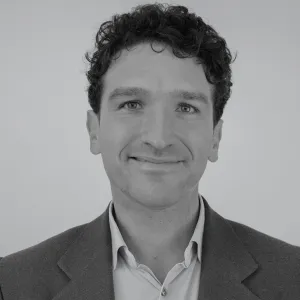
A major international paper led by Dr Francesco Fuso Nerini, Honorary Research Associate at the Environmental Change Institute, sets out a global research agenda to accelerate progress towards universal access to clean cooking.
The paper, A research agenda to support the achievement of clean cooking for all, brings together more than 20 leading researchers and institutions working across energy systems, public health, development and policy. Published in Joule, it examines how research can better support the transition away from polluting cooking fuels and technologies.
Why clean cooking matters
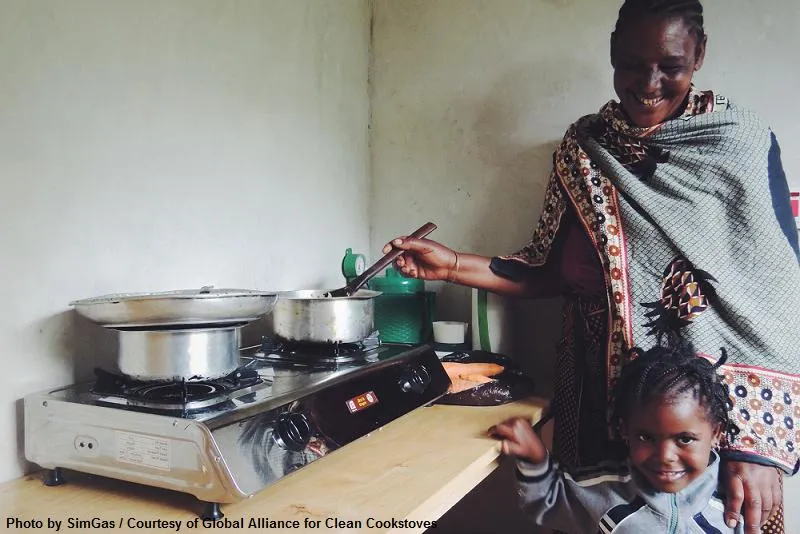
Clean cooking — defined as the use of fuels and technologies that meet international air quality standards — plays a vital role in improving health, advancing gender equality, and reducing environmental and climate impacts. Yet despite recent gains, progress remains far off track.
The paper highlights that nearly 1.8 billion people are still projected to lack access to clean cooking by 2030, with the largest deficits in Sub-Saharan Africa. Continued reliance on polluting fuels contributes to millions of premature deaths each year from household air pollution, disproportionately affecting women and children, while also driving deforestation, climate change and lost economic opportunities.
Dr Fuso Nerini, ECI and also Associate Professor and Director of the Climate Action Centre at KTH Royal Institute of Technology, said: “Clean cooking is not just a technical challenge. It sits at the intersection of health, gender, climate, energy systems, finance and governance. This paper shows how research can play a much stronger role in designing solutions that are effective, affordable and appropriate to local realities.”
A coordinated research agenda
Drawing on recent evidence, the authors identify six priority areas where research can accelerate clean cooking transitions:
- Effective and locally relevant technologies, including improved stoves, clean fuels and electric cooking
- Behavioural and affordability challenges, recognising that access does not always lead to sustained use
- Innovative policy, business and financing models, including pay-as-you-go systems and carbon finance
- Political economy and governance, examining how institutions, democracy and finance shape outcomes
- Assessing benefits and costs, including impacts on health, gender equality, climate and food security
- Planning tools and data to support evidence-based decision-making at national and local levels
The paper emphasises that while clean cooking contributes to multiple Sustainable Development Goals — including health, gender equality and climate action — it remains under-prioritised in energy and climate policy. The authors argue that technology availability alone is insufficient: sustained transitions depend on affordability, behaviour, governance and alignment with wider development strategies.
The role of universities and open science
The paper also highlights the importance of universities in advancing clean cooking transitions through interdisciplinary research, education and collaboration with policymakers, industry and local communities. Integrating clean cooking into teaching and training, and adopting open science approaches, are identified as key enablers of inclusive and scalable solutions.
Dr Fuso Nerini added: “Universities have a critical role to play — not only in producing evidence, but in training future practitioners and ensuring knowledge reaches those designing and delivering interventions on the ground.”
The research agenda emerged from discussions at the 2024 Summit on Clean Cooking in Africa and reflects contributions from institutions working across energy access, public health, development economics and environmental policy.
Dr Fuso Nerini coordinated the international author team and led the development of the agenda. Alongside his honorary role at the Environmental Change Institute, he is Associate Professor and Director of the Climate Action Centre at KTH Royal Institute of Technology.
Read the full paper in Joule: A research agenda to support the achievement of clean cooking for all