

Lions, tigers, wolves, leopards and bears are among the world’s favourite sport symbols – but while they thrive on jerseys, many of these species are at risk of extinction in the wild.
A new global study finds that nearly 25% of professional sport teams use a wild animal in their name, logo, or fan nickname, revealing a powerful and largely untapped route to support biodiversity conservation.
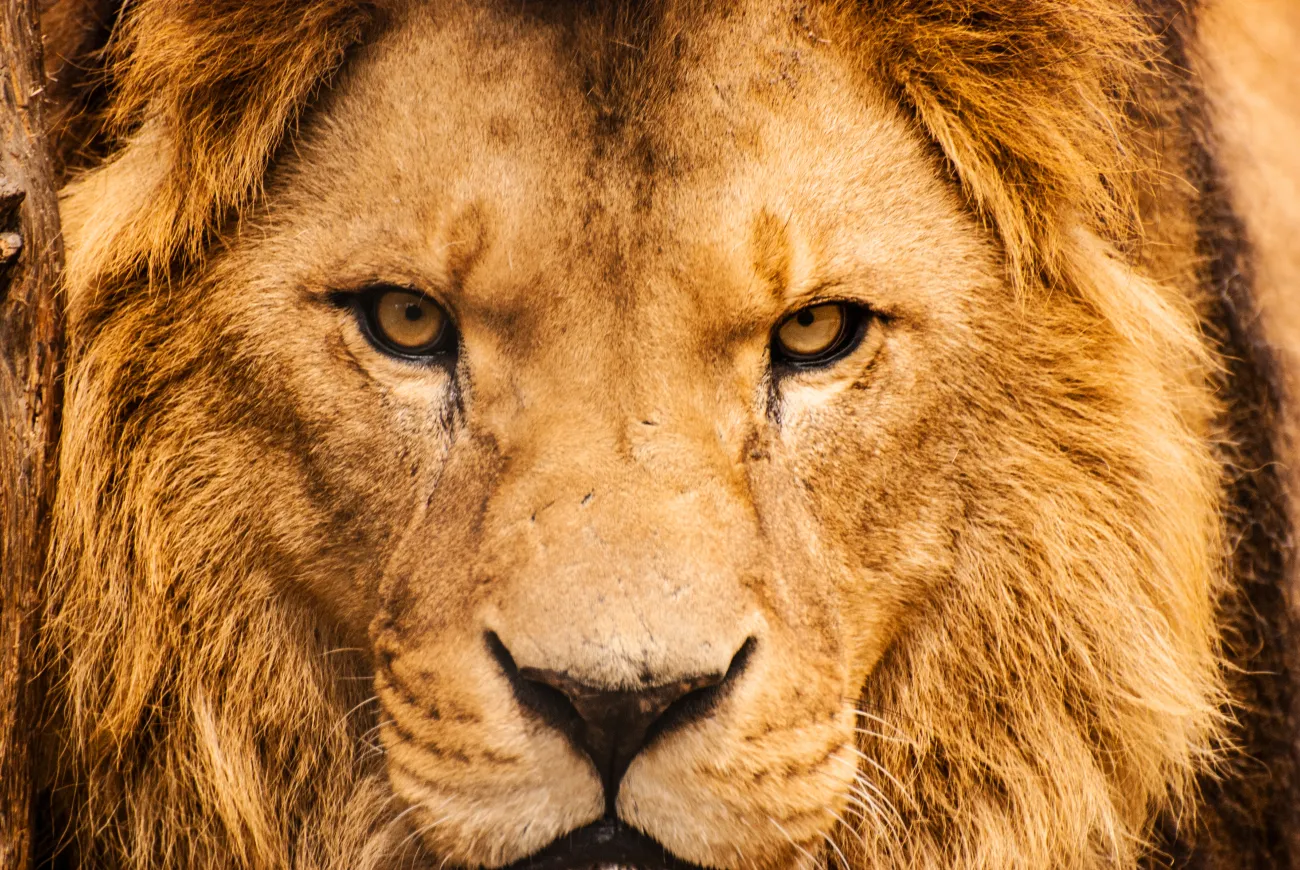
The research — covering 727 teams across 50 countries and 10 major team sports — shows that at least 161 different wild animals appear in professional sport branding. Mammals and birds dominate, yet wildlife identity spans far beyond the big charismatic species: crabs, crocodiles, kangaroos and eels routinely face off against stoats, pelicans and squids on football pitches, rugby fields and volleyball courts.
To visualise this global phenomenon, the team developed an interactive map showing where these wildlife-branded organisations are based, what species they use, and how patterns vary across regions.
Dr Diogo Veríssimo, who leads the Biodiversity and Behavioural Science Team (BBeST) at the Environmental Change Institute and is a co-author of the study, said:
These sport symbols can be incredibly powerful, because they speak to audiences that may be hard to reach through traditional conservation messaging. If even a fraction of sport organisations used their platform to support wildlife, the impact could be truly transformative.”
Lead author Dr Ugo Arbieu from Paris-Saclay University added:
Sport organisations mobilise huge global audiences, and wildlife is at the heart of many of their identities. This emotional connection between fans and the animals that represent their teams could be harnessed to support conservation at scale.”
Threatened icons on jerseys
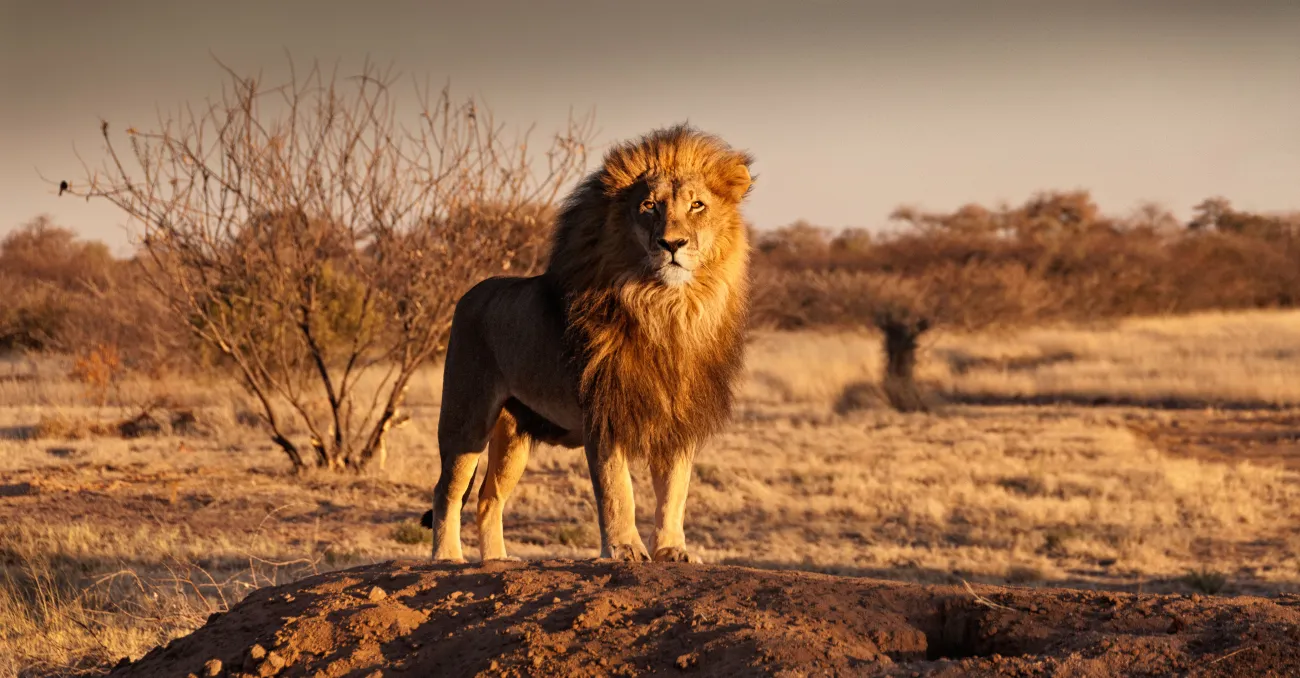
More than half of the teams studied use emblems representing species that are threatened with extinction, according to the IUCN Red List. Lions and tigers may signal strength and courage on the field, but in the wild, many of these populations are declining. The researchers argue that teams have a unique opportunity – and perhaps an ethical responsibility – to help protect the wildlife that underpins their identity.
They note that for some groups, such as insects and arachnids, conservation data remains limited, while even iconic species like polar bears, orcas and certain wild cats are still considered “Data Deficient” by major conservation institutions.
A global phenomenon with local twists
Wildlife branding appears across all sports and in both men’s and women’s leagues. Yet patterns vary across regions: teams in Africa and Asia are more likely to use local wildlife such as elephants or antelopes, while teams in Europe and the Americas often adopt exotic species like lions and tigers.
These cultural differences reveal how societies relate to wildlife. Some teams use species that are national symbols; others select animals linked to local landscapes or the values they embody – from courage and unity to resilience or agility.
More than mascots: a conservation opportunity
Animal imagery has long been central to how sport organisations create identity, pride and belonging. Yet despite these strong emotional ties, biodiversity protection remains mostly absent from clubs’ sustainability agendas.
The researchers suggest that sport organisations could actively support conservation efforts for the species they represent. This could include fan engagement campaigns, partnerships with NGOs or protected areas, contributions to local or international conservation projects, or coordinated action among teams that share the same emblem.
The authors emphasise that wildlife symbolism should act as a gateway to broader ecological action. Dr Veríssimo explained:
Flagship species can open the door to protecting whole groups of species and their ecosystems. Take the San Jose Sharks in the United States: few people realise there are 70 shark species in the country, 31 of which are threatened. A single emblem can help generate support not only for the species itself, but for the habitats and ecological networks they rely on.”
This research builds on earlier work by Dr Veríssimo and colleagues exploring how sports teams could become champions for biodiversity, expanding that conceptual foundation with the first global analysis of wildlife use in sport branding.”
Towards a global movement
The study was carried out by a global research team spanning France, Australia, Finland, South Africa, the Czech Republic, the United States, Canada and the United Kingdom, bringing together specialists from 13 institutions including the University of Oxford.
The team hopes their analysis will catalyse stronger collaboration between conservationists and the sports industry — two sectors that rarely interact despite the huge potential for impact. As part of this effort, they have launched The Wild League, a new initiative bringing together sport stakeholders committed to biodiversity conservation.
They describe this study as an essential first step. “Sport is a global cultural force,” the authors write. “If teams embrace biodiversity, they could become champions for nature both on and off the field.”
Read the full study in BioScience: Wildlife Diversity in Global Team Sport Branding