
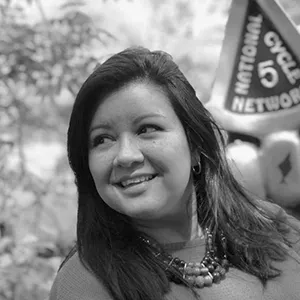
At the Environmental Change Institute, sustainability isn’t just the focus of our research — it’s something we all have a role in practising and reflecting on. As ECI’s Office Coordinator, Angela Soasti Pozo sits at the heart of the team, keeping our work running smoothly and our community connected. Here, she shares her experience walking the Camino de Santiago — a journey that explores what it means to travel lightly, live simply, and connect sustainability with personal reflection. It’s a reminder that sustainability can be lived and felt in everyday choices, even beyond our research and projects. Carrying less, connecting more: a journey in sustainable living.
Doing the Camino de Santiago had been on my bucket list for a long time.
For those not too familiar with it, the Camino de Santiago (Way of St. James) is a historic pilgrimage route that leads to the Cathedral of Santiago de Compostela in Galicia, north western Spain. According to tradition, the cathedral holds the remains of Saint James the Apostle. The Camino has been a major Christian pilgrimage since the 9th century. While its origins are religious, today people from all walks of life take part, for spiritual, cultural, or personal reasons.
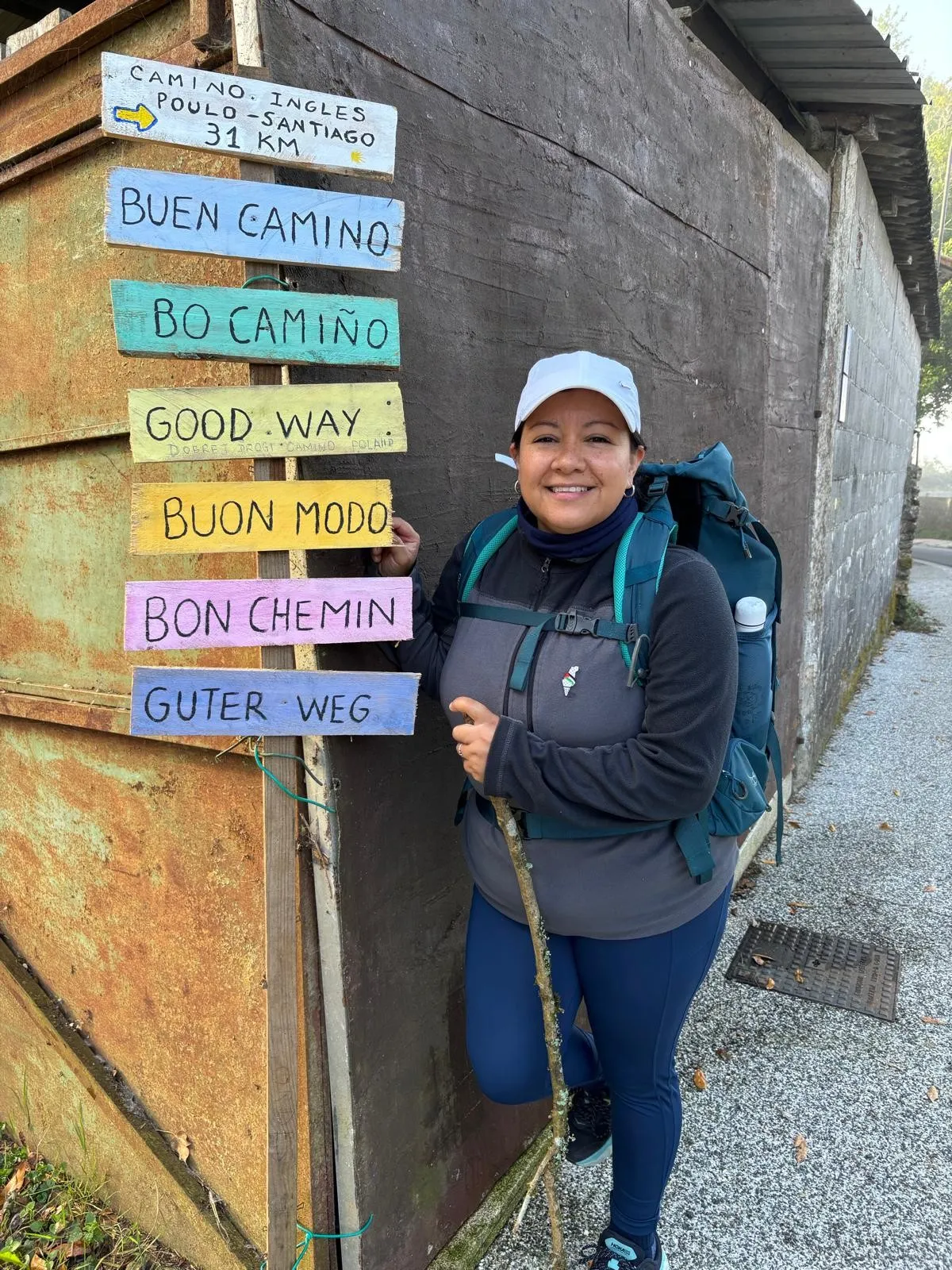
Ordes is a well-connected town and often used as a stop or reference point for travellers in northern Galicia
There are several routes to choose from, and I decided to walk the Camino Inglés, a shorter path of around 120 km that can be completed in just five days. It’s one of the most scenic routes, with beautiful landscapes, forest trails, charming villages, rivers, bridges, and fresh, clean air.
One of the most compelling reasons to choose the Camino is its sustainability. Walking is one of the lowest-impact ways to travel, no fuel, no emissions, just your own two feet. The Camino encourages a minimalist mindset: you carry only what you need, reuse your gear, and consume thoughtfully. It’s a rare kind of journey that aligns personal growth with environmental responsibility.
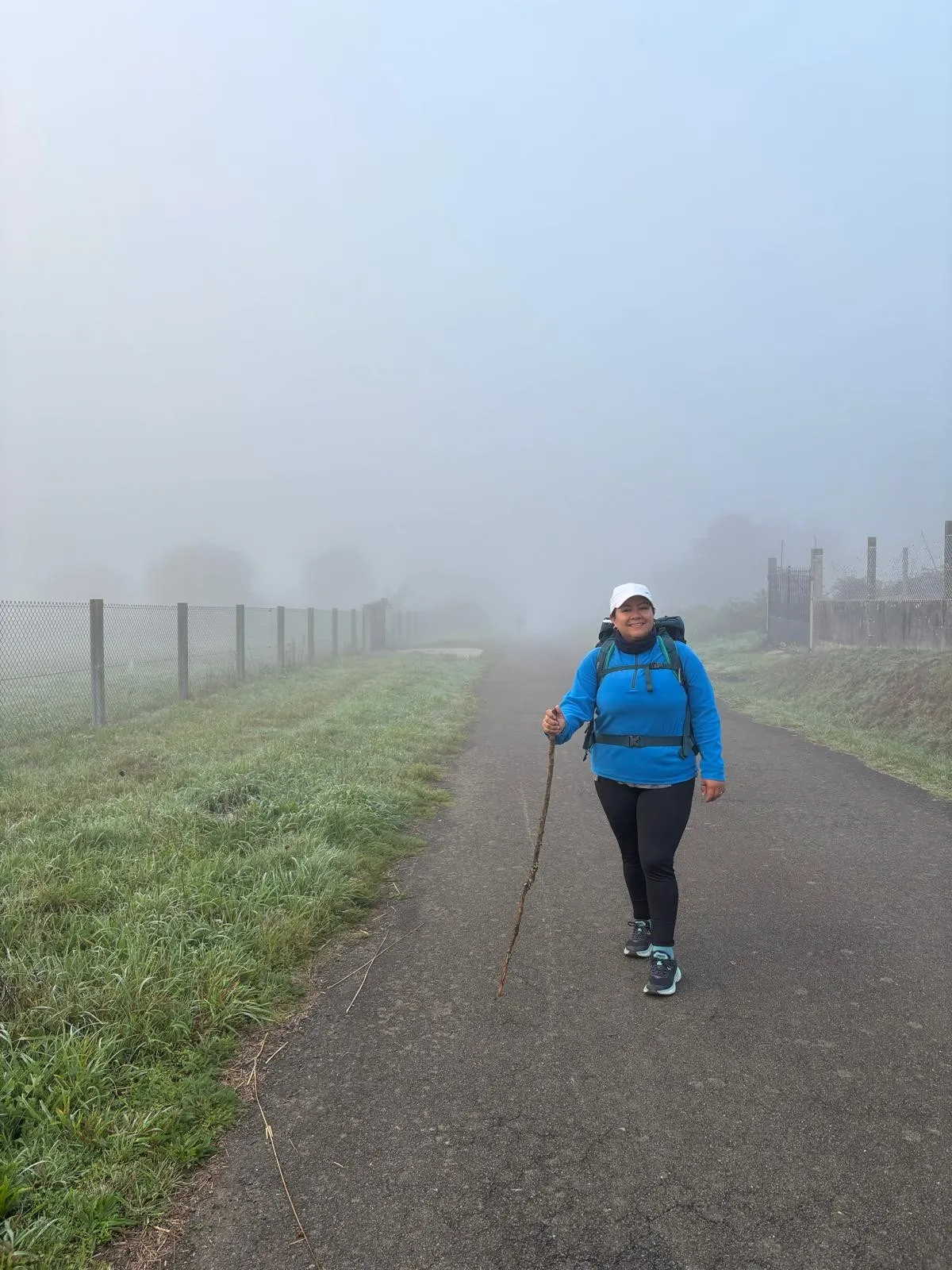
Cortos is a small hamlet located in Santiago de Compostela, within the province of A Coruña, in the autonomous region of Galicia, north western Spain. It has a population of around 42 residents
Even more powerful is the way the Camino supports local economies. Every café, albergue, (hostel/pilgrim accommodation) and small shop you stop at is often family-run, deeply rooted in the community, and dependent on pilgrim footfall. By choosing to walk and stay local, you’re directly contributing to the preservation of rural livelihoods and cultural heritage. It’s travel that gives back.
From the very first day, you start meeting other pilgrims and walkers. Their faces become familiar along the way by sharing accommodation, crossing paths on foot, and often enjoying meals in the same local restaurants. These shared moments are not just social, they’re part of a larger ecosystem of mutual support and sustainability.
The experience only gets better. There’s the excitement, the challenge of walking for hours, the stress of finding a bed at your next stop, the hope of avoiding blisters, and the motivation to keep going.
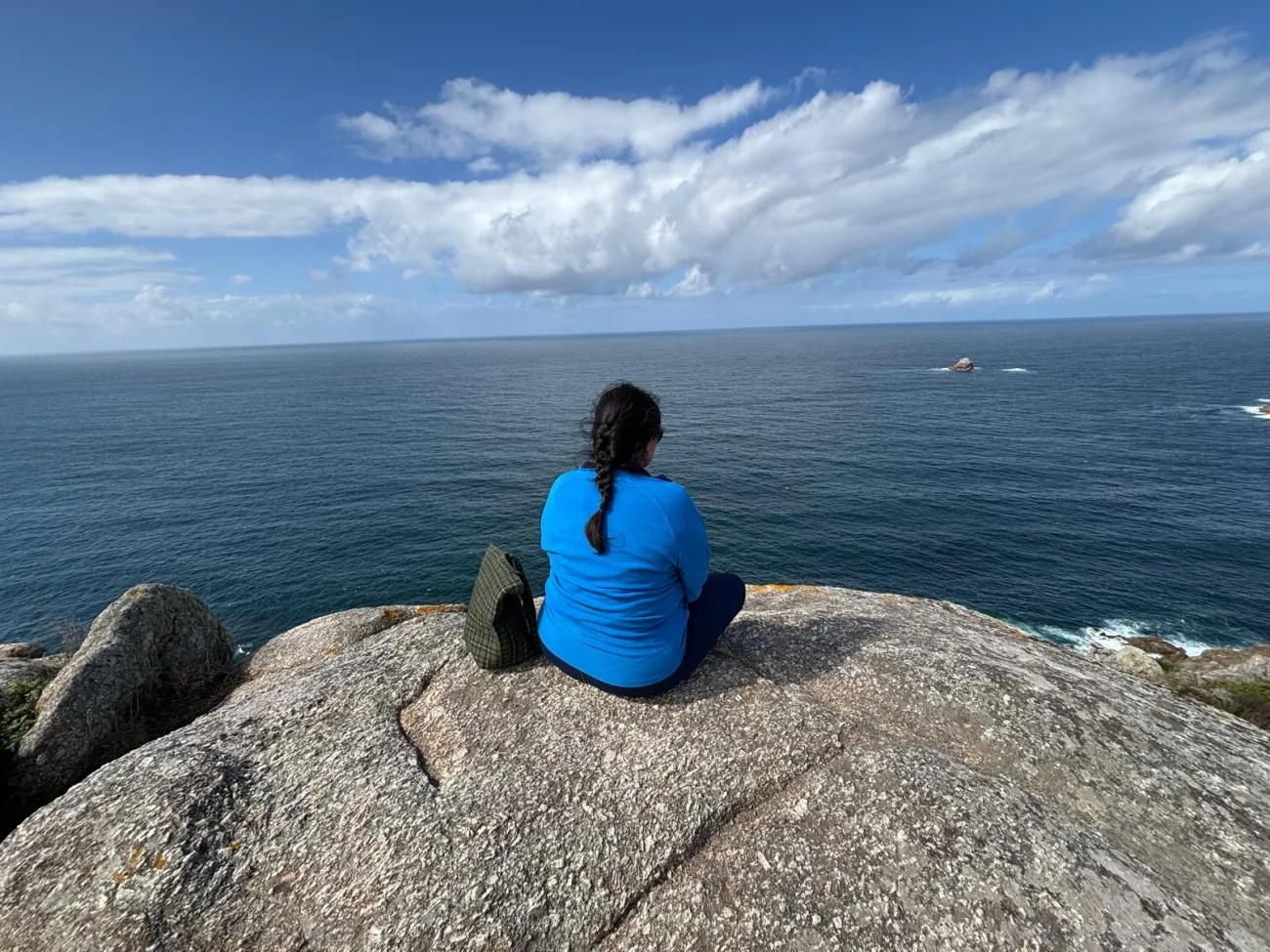
Finisterre, a coastal town and cape located in the region of Galicia, north western Spain, known as the Costa da Morte ("Coast of Death") and is famous for its dramatic cliffs, and symbolic significance as the "end of the world" in ancient times
Then something magical happens: a moment when you stop hearing your to-do list and start hearing the birds, the wind, and the trees. A moment when your thoughts slow down and you begin to reflect more deeply. You start listening to yourself, something that often gets buried under tasks, deadlines, applications, and papers.
You find joy in simple things: washing your leggings for the next day, planning your meals, and embracing a slower rhythm. It has a quiet magic that brings you inward, even as you’re surrounded by nature.
When you arrive at the Cathedral of Santiago de Compostela, the emotions are all over the place with laughs, joy, and nostalgia hitting everyone. You realise that the journey has changed you in subtle but meaningful ways.
I believe this kind of trip could be healing and rejuvenating for many at ECI. The Camino is one of the safest and best-marked journeys in Europe. It’s ideal for solo adventurers, first-time solo travellers, women walking alone, or anyone going with a companion. And it’s a rare opportunity to travel in a way that’s not only enriching for the soul, but also kind to the planet and supportive of the people who make the journey possible.