

Dracula orchids, famous for their “monkey-face” blooms, are facing a serious threat of extinction in their native Andean cloud forests. A new global assessment, involving Dr Diogo Veríssimo, Research Fellow at the Environmental Change Institute (ECI), reveals that nearly seven in ten Dracula species are now at risk.
These rare orchids, cherished for their unusual and charismatic flowers, are losing habitat due to deforestation, agriculture, and illegal mining. While their online fame has captivated millions, it has not yet translated into adequate protection for these delicate species.
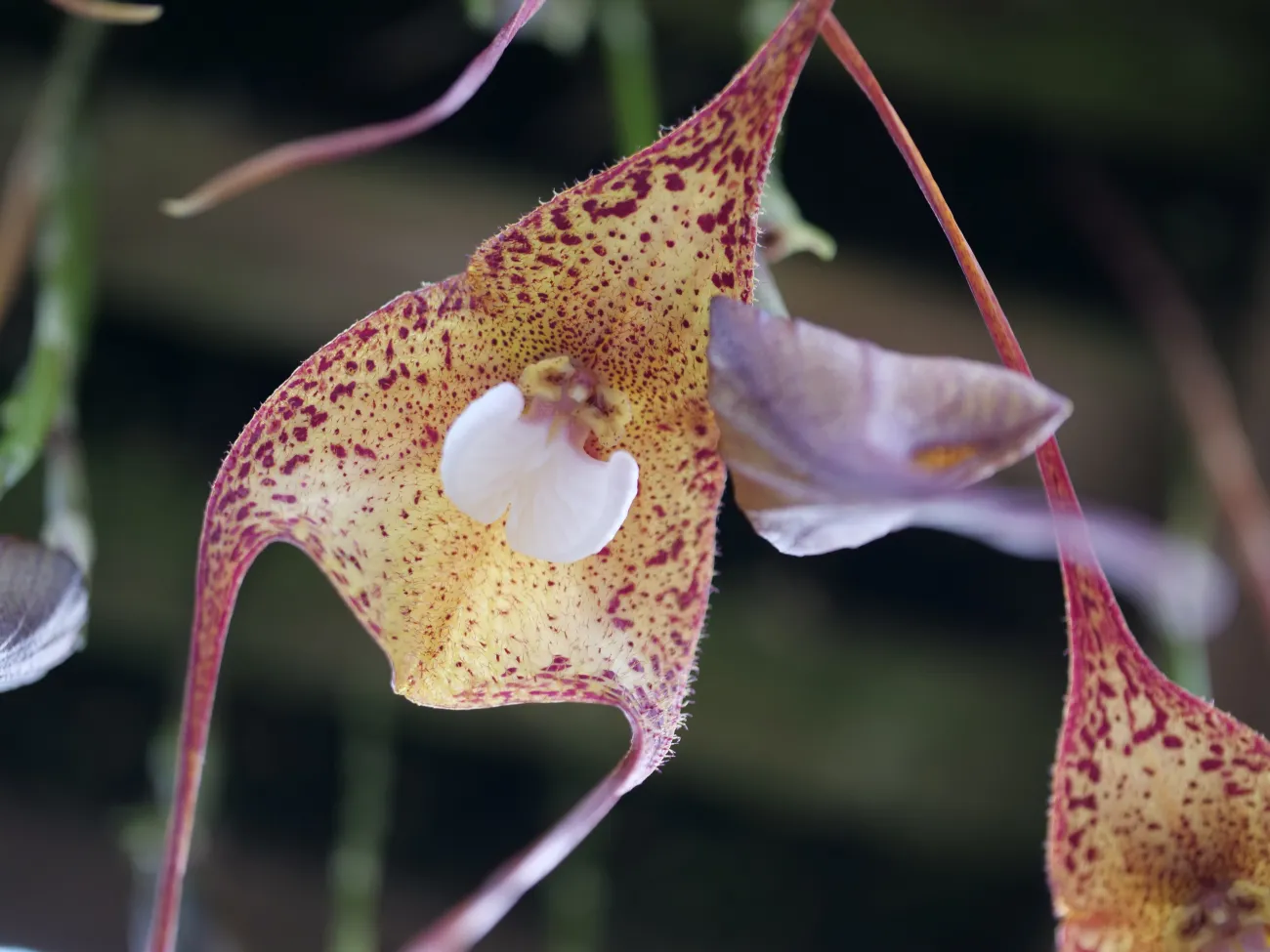
Writing in The Conversation, Dr Veríssimo, who leads the Biodiversity and Behavioural Science Team (BBeST) at the ECI, and his co-authors highlight the urgent need for conservation action, including community-based monitoring, sustainable land use, and eco-tourism initiatives. By turning the orchids’ popularity into protection, there is hope for preserving these extraordinary plants—and the rich ecosystems they support.
Dr Veríssimo said:
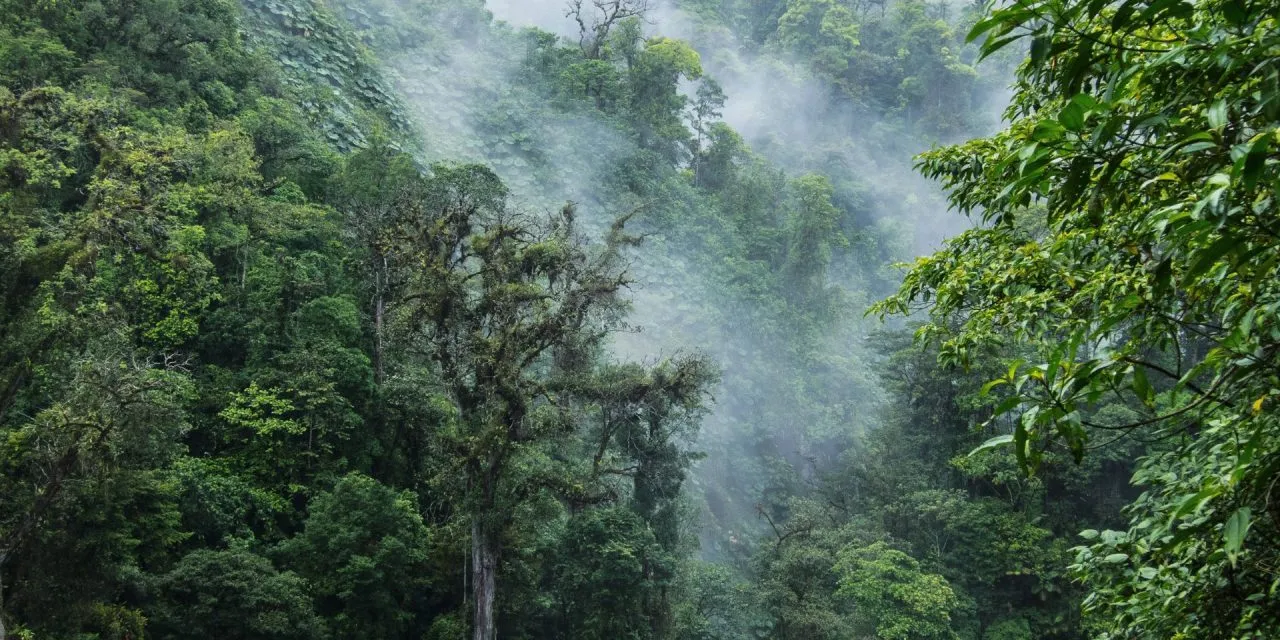
These orchids grow mainly in the Andean cloud forests of Colombia and Ecuador, some of the most biologically rich but also most endangered ecosystems on the planet. Their survival depends on cool, humid conditions at mid to high altitudes, where constant mist wraps the trees.
"Another threat comes from people’s fascination with these rare and charismatic plants. Orchids have been prized for their flowers for hundreds of years, with European trade starting in the 19th century, when “orchid fever” captivated wealthy collectors leading to huge increases in wild collection in tropical areas.
Dr Veríssimo added:
Today, that fascination continues, fuelled by the internet. Many enthusiasts and professional growers trade in cultivated plants responsibly, but others still seek wild orchids, and Dracula species are no exception. For a plant that may exist in populations of just a few dozen individuals, a single collecting trip can be disastrous.
What’s striking about Dracula orchids is the contrast between their huge online popularity and the almost complete lack of knowledge we have about their conservation status. We often assume that species we see widely shared on social media must be well studied, but for these orchids, that’s far from true. Their viral fame hasn’t translated into understanding or protection, and that’s what makes the new assessment so urgent."
Read the full article in The Conversation: Famous monkey-face ‘Dracula’ orchids are vanishing in the wild