

The United Nations is now using PortWatch, a tool co-developed by the University of Oxford’s Environmental Change Institute (ECI), to track global port activity and shipping chokepoints. Updated weekly, the data helps the UN and its partners understand shipping patterns, anticipate potential supply chain bottlenecks, and respond more effectively to crises.
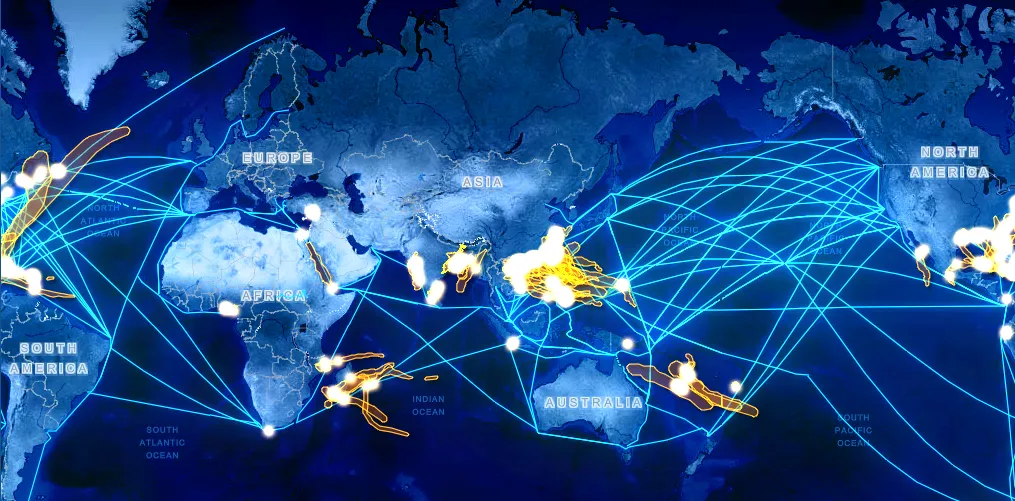
PortWatch aggregates information on port operations, cargo flows, and chokepoints, providing insights that are essential for disaster response, humanitarian aid planning, and climate adaptation. Through the UN’s Humanitarian Data Exchange (HDX), agencies, researchers, and the public can monitor disruptions and take action to prevent or mitigate their impact. The datasets are openly accessible for anyone to use.
Professor Jim Hall, Professor of Climate and Environmental Risk and Lead of the ECI’s Oxford Programme for Sustainable Infrastructure Systems (OPSIS), said: “It’s encouraging to see the UN now using PortWatch. The platform was developed to support evidence-based decision-making, and it’s great to see how the data are now being used to inform the UN’s humanitarian functions so we can track port activity during emergencies.”
The UN’s adoption of PortWatch demonstrates the growing role of data-driven tools in understanding global infrastructure and resilience challenges. By using the tool, the UN can better anticipate and respond to disruptions, helping to safeguard communities and economies that rely on timely shipping and trade flows.
PortWatch also provides advanced analytical tools to assess the domestic and international trade impacts of disasters, including extreme weather events. The platform combines satellite-based vessel tracking and big data analytics to deliver actionable insights for policymakers, international organisations, and the public.
PortWatch is a joint initiative of the International Monetary Fund (IMF), the University of Oxford, and Delft University of Technology.
More information is available on the University of Oxford website.
The open platform is available as a beta version at www.imf.org/portwatch.
Explore the datasets on HDX: https://data.humdata.org/organization/portwatch.