

UK parents are keenly aware of climate change—but juggling childcare, convenience, and everyday responsibilities often leaves little room for eco-friendly habits, a new study by a researcher at the Environmental Change Institute (ECI) finds.
Dr Sam Hampton, Senior Researcher at the ECI and joint lead of the research, says the findings “challenge the idea of the ‘green parenthood effect’ and show that while parents may not always live sustainably, they have unique power to influence their children.”
The study, published in Population & Environment (Springer Nature), highlights parents as a critical group for climate action—despite higher household emissions, they are both motivated and well-placed to drive change if given the right support.
Convenience Wins Over Carbon
From disposable nappies to car commutes, parents admitted convenience often trumps sustainability. “I can’t even tell you how many nappies we go through, it’s awful,” one parent said. Despite guilt over environmental impacts, most continued their usual routines.
The study, which involved a survey of 1,001 parents, 30 interviews, and two focus groups, found that even when parents understand the environmental consequences of their actions, time pressures and competing priorities make behaviour change difficult.
Dr Hampton explains:
Parenting is an important moment of change, and parents are an under-recognised group with unique experiences and influence. With the right mix of support and structural change—like improved public transport, affordable sustainable products, and incentives for low-carbon diets—parents could become powerful low-carbon role models. They have huge potential to shape their children’s values and behaviours, making them central to long-term climate action.”
Knowledge Isn’t Enough
While parents reported feeling knowledgeable about climate change, gaps remain on complex topics such as carbon offsetting and net-zero goals. Parents also expressed a desire to change diets for the environment—even if their habits don’t yet reflect it.
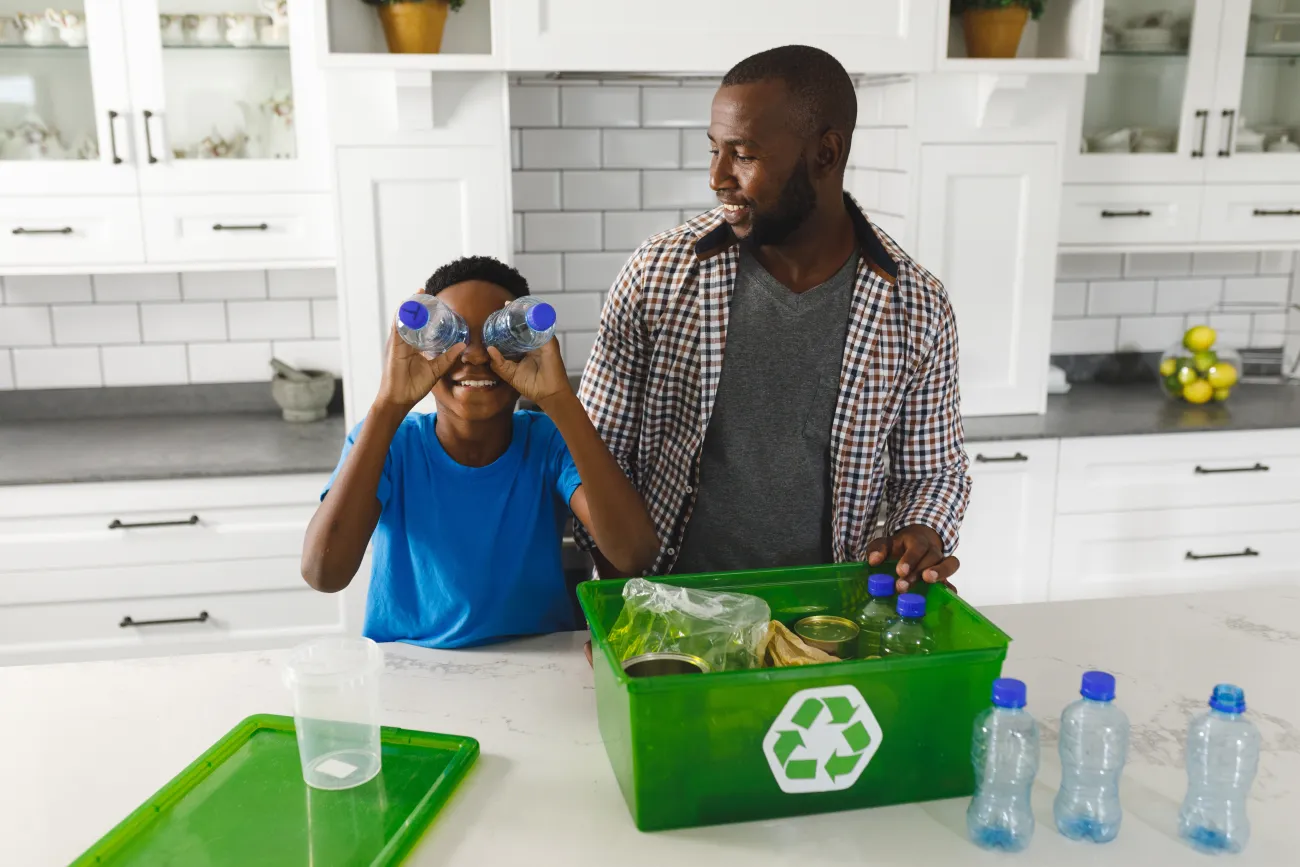
Some parents reported that their children had had influenced them to become more environmentally conscious, from turning off lights to reducing water use. “They copy what we do… and sometimes they tell us what to do!” said one parent. Hampton calls this “a powerful form of two-way climate influence.”
Parents also highlighted a need for guidance that is practical, timely, and accessible. Pre-natal education on reusable nappies, school newsletters, smartphone apps, and trusted advice from nurseries or schools could help, alongside structural changes like better public transport and incentives to buy second-hand items.
Policy + Parenting = Change
Dr Hampton emphasises:
Parents want to do more, but they need practical tools and supportive policies. Information alone isn’t enough—systemic changes are essential to make sustainable choices feasible.”
The study concludes that parents are ideally positioned to raise environmentally conscious children—but require guidance and structural support to turn awareness into action. Dr Hampton is now collaborating with the National Childbirth Trust to put some of these insights into practice.
The research was jointly led by Dr Hampton and Elodie Taylor, who studied Geography at Oxford from 2020-2023, with co-author Prof Lorraine Whitmarsh from the University of Bath.
Read the full study in Population & Environment (Springer Nature): Parenting and climate change: assessing carbon capability in early parenthood