

There is no “magic bean” solution to transforming UK food systems — but a new roadmap co-developed with stakeholders suggests that beans and pulses could play a much bigger role in supporting healthier diets, climate goals and nature recovery if long-standing system barriers are addressed.
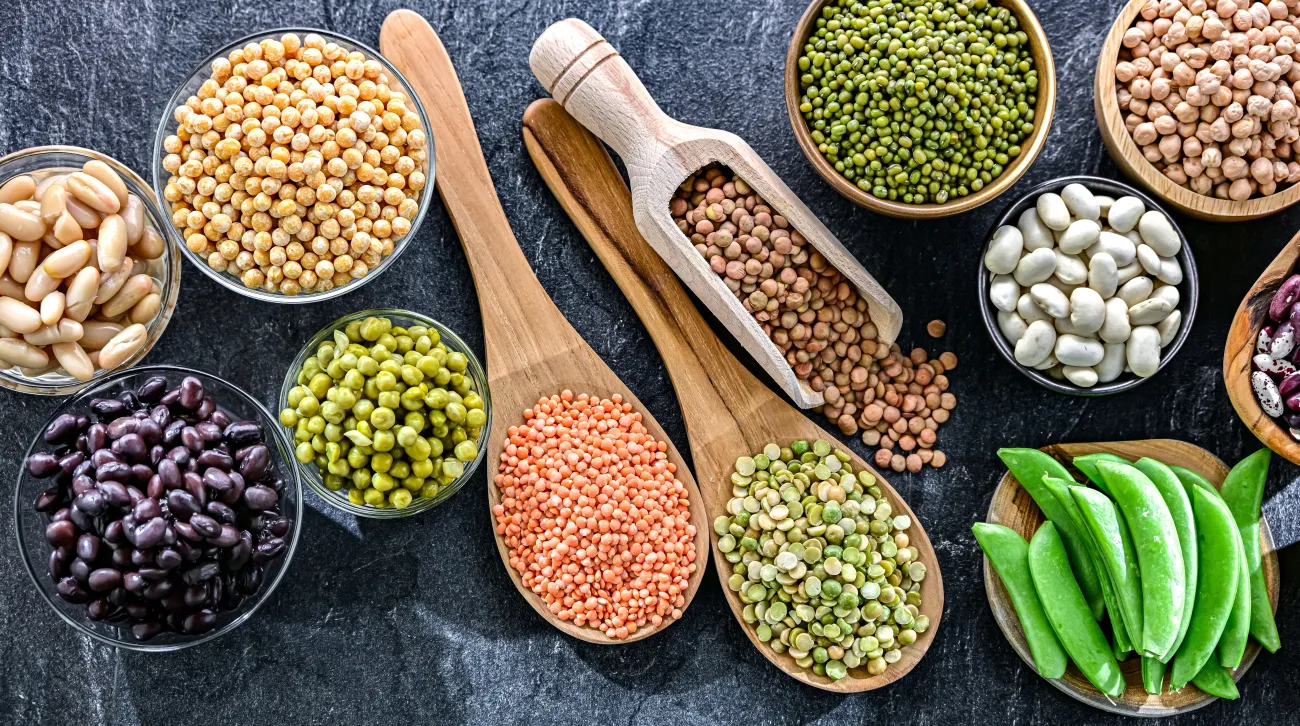
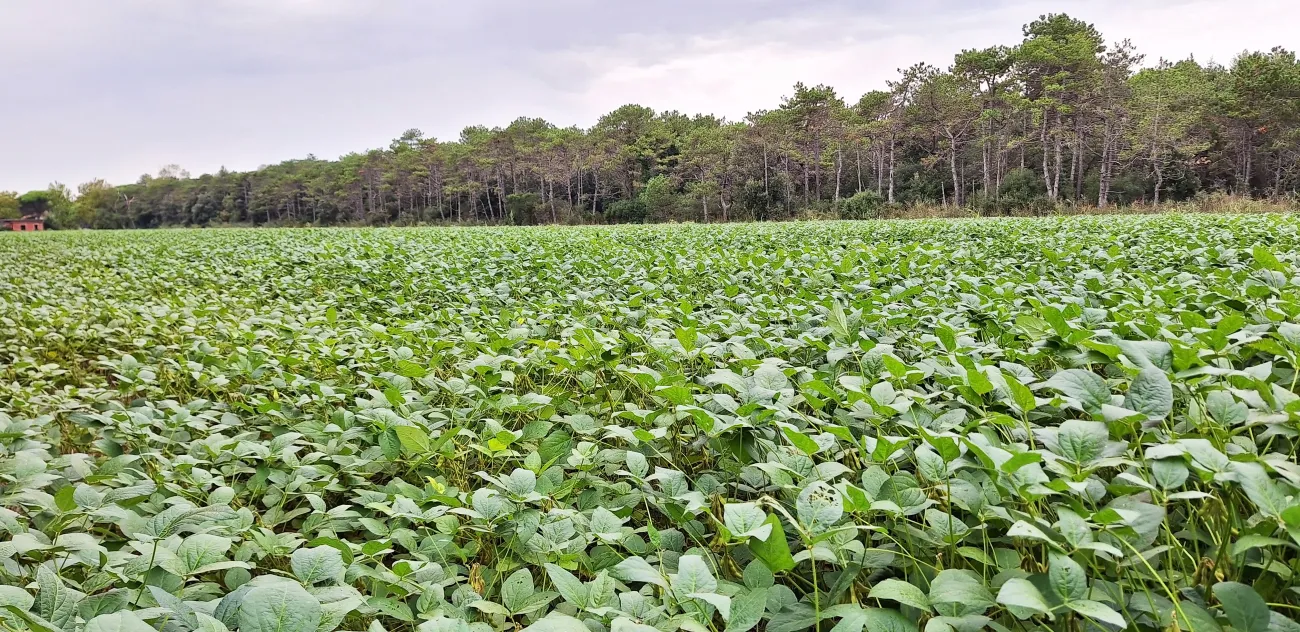
Despite widespread agreement that pulses such as beans, peas and lentils are good for human health, soil and the environment, they remain a relatively small part of UK diets. Most beans (e.g. baked beans in tomato sauce) consumed in the UK are still imported, while domestically grown crops are largely used for animal feed.
Researchers at the Food Systems Transformation Group at the Environmental Change Institute (ECI) and the Agricultural Resilience Impact and Innovation Hub (AGRIIH), the University of Oxford, say the issue is not a lack of interest or evidence, but a system that does not yet fully support pulses moving from farms to everyday meals.
The roadmap was developed through evidence synthesis, stakeholder conversations and workshops involving farming, food manufacturing, retail, civil society, policy and research actors. Rather than proposing a single solution, it explores how different parts of the system might need to evolve together to enable change by 2035.
A key finding is the importance of better coordination across the food system. While farmers may be able to grow more pulses and there is growing interest from retailers and policymakers in plant-rich diets, the domestic infrastructure and market structures that connect production to consumption remain fragmented. Stakeholders described this as a “missing middle”, particularly in processing capacity such as cleaning, milling, storage and manufacturing needed to turn UK-grown raw crops into widely available food products.
The roadmap also highlights that there is no single pathway for scaling pulses. Instead, multiple routes — including feed, ingredient and food uses — are likely to contribute in different ways to nutrition, nature and net zero goals. The challenge is not choosing one pathway over another, but enabling them to develop in parallel through coordination, investment and experimentation.
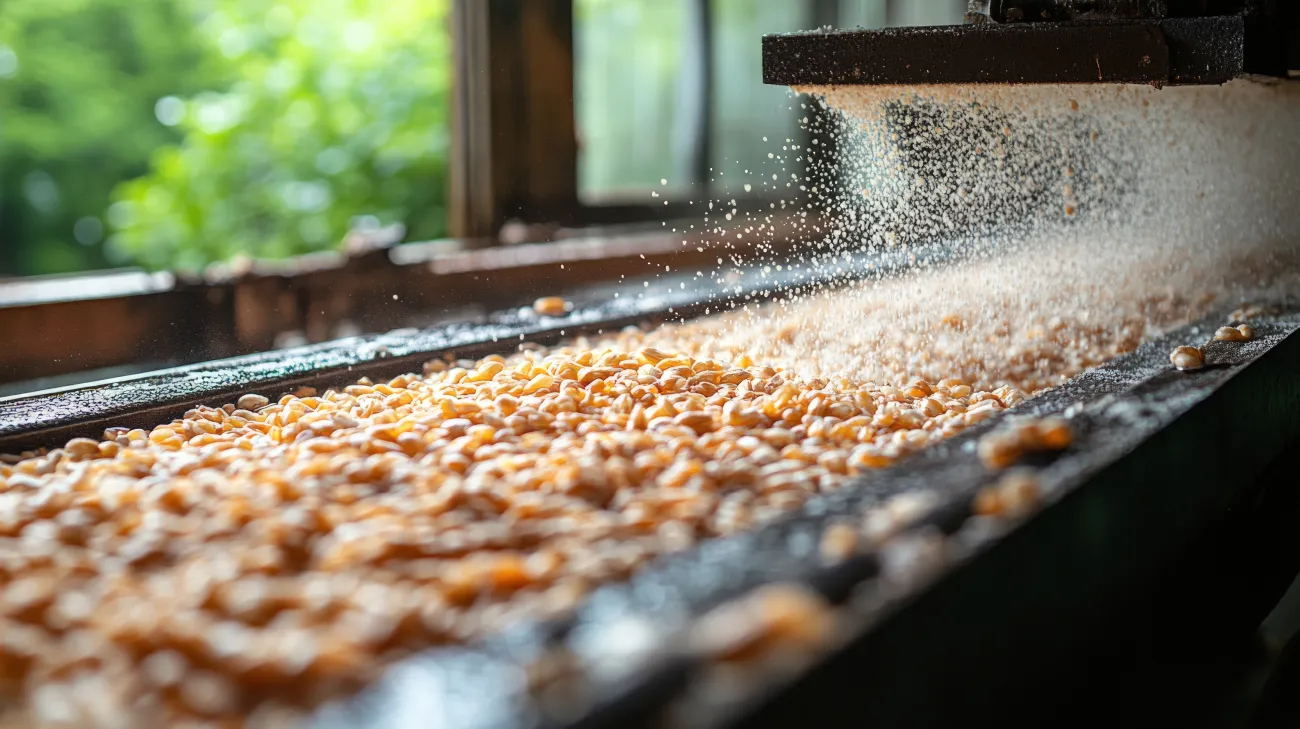
The stakeholder process identified four priority areas for action: strengthening demand signals (including through public procurement), investing in processing and infrastructure, improving viability for growers, and supporting experimentation across different pulse products and uses.
Together, these changes could help shift pulses from a niche crop into a more central part of UK farming systems and diets.
Dr Jing Zhang, lead author of the roadmap, delivered the project while working as a researcher with the ECI’s Food Systems Transformation Group, and as Project and Knowledge Exchange Lead for AGRIIH. Dr Zhang said:
Pulses are often seen as a simple solution, but in reality their scaling depends on many interconnected parts of the agri-food system moving together. This roadmap brings together perspectives from across the system to show where coordination, investment and experimentation are most urgently needed.
What this work shows is that the challenge is not whether pulses are beneficial, but how we create the conditions for them to become a normal part of farming systems, supply chains and diets. That requires aligning incentives and action across multiple actors, not isolated interventions.”
Dr Monika Zurek, Lead for the Food Systems Transformation Group, added:
Increasing the use of pulses in the UK diet is a key lever for food system change towards healthier, more plant based diets while also having important climate and soil co-benefits, but currently we are missing incentives for farmers, processors, caterers and retailer, i.e. the middle bit of the food system, to build the needed supply chains.
The UK Pulses Roadmap points to where stakeholder and academics see the biggest bottlenecks and how to overcome these through a more systemic approach to innovation.”
The project was supported by the Natural Environment Research Council (NERC) as part of the Agile Initiative at the Oxford Martin School, building on earlier work including the BeanMeals project and the Legumes Initiative.
Researchers are now engaging with policymakers and sector partners to explore how the roadmap can be used to support more coordinated action across the agri-food system, including strengthening demand for pulses, addressing gaps in processing infrastructure and informing future food, farming and climate policy.
Read the full briefing paper: Co-developing a UK pulses roadmap: Releasing pulses’ potential for nutrition, nature and net-zero