



A new article in The Conversation highlights urgent steps the UK government could take to shield vulnerable households from rising energy costs, co-authored by Cassie Etter-Wenzel, DPhil student with the Energy Programme at the Environmental Change Institute.
In Rising energy prices will hit millions: here are three ways the UK government could shield vulnerable households, the authors argue that while long-term measures such as home insulation are essential, more immediate and targeted interventions are needed to protect households during periods of price volatility.
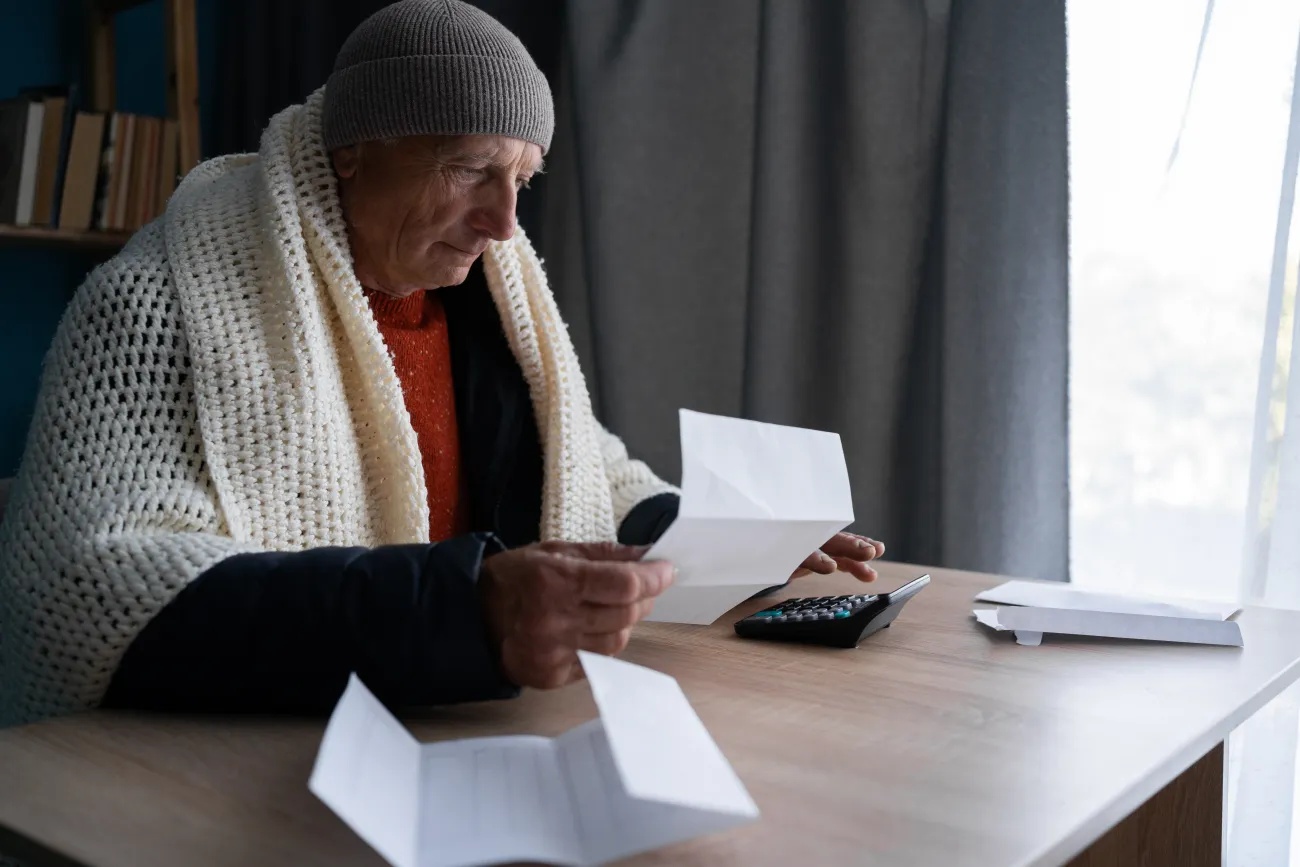
The piece sets out three practical options for policymakers that could be implemented quickly with political will: introducing a social tariff to reduce bills for low-income households, improving the design of emergency support, and ensuring that vulnerable households can access existing cost-saving tools such as smart tariffs and flexible energy use.
The article emphasises that the UK cannot avoid global energy price shocks, but policy choices can determine how the burden is shared—making timely, targeted support critical.
Read the full article in The Conversation: In Rising energy prices will hit millions: here are three ways the UK government could shield vulnerable households
Building on decades of energy poverty research
Cassie’s research contributes to a long tradition of work on energy / fuel poverty at ECI. This academic field was founded by Dr Brenda Boardman, the first Energy Programme Leader at ECI, with her acclaimed 1991 book Fuel Poverty, from Cold Homes to Affordable Warmth. More recent work from ECI includes research on how pre-payment meter using households were affected by the previous energy price crisis. Dr Boardman, now Emeritus Research Fellow at the ECI, continues to advocate for urgent reform to the UK’s Cold Weather Payment system, alongside Prof Tina Fawcett, Senior Researcher and Associate Professor.