

As Hurricane Melissa struck Jamaica with unprecedented force, Dr Fred Thomas from Oxford’s Environmental Change Institute (ECI) provided expert analysis to BBC News, explaining why this storm ranks among the strongest ever recorded in the Caribbean. Drawing on recent field research in Jamaica, Dr Thomas discussed how extreme rainfall, storm surges, and fragile infrastructure combine to create catastrophic risks for coastal communities.
Dr Thomas, Senior Research Software Engineer with the ECI's Oxford Programme for Sustainable Infrastructure Systems, OPSIS, highlighted how climate change is amplifying the conditions that allow such storms to intensify rapidly — turning warm oceans and moist air into “a perfect storm” for destruction. His insights underscore the urgent need to strengthen resilience and preparedness in small island nations on the front lines of a warming world.
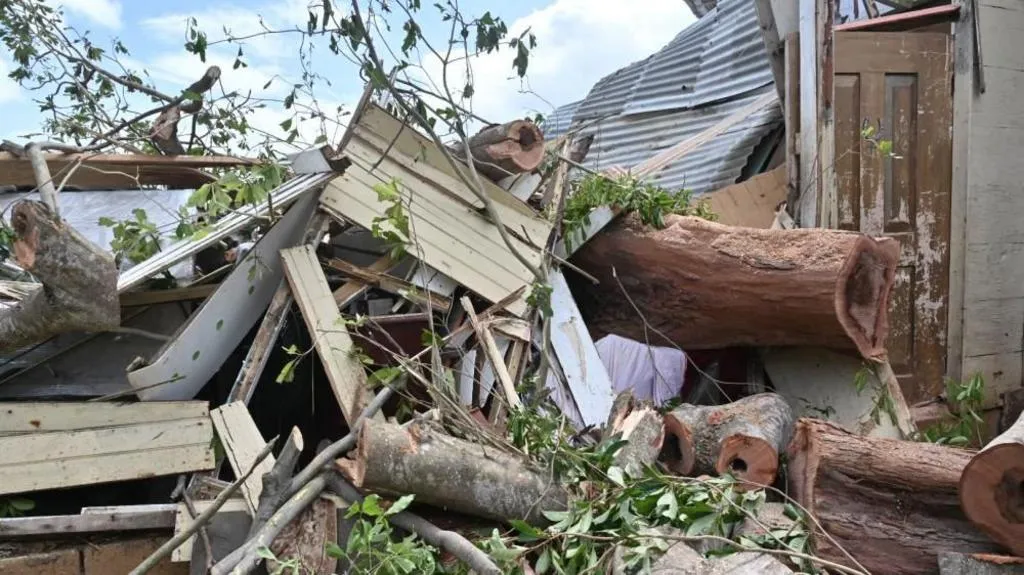
Hurricane Melissa made landfall in Jamaica on 28 October 2025 as a Category 5 storm — one of the strongest ever recorded in the Atlantic. With winds nearing 185 mph it caused severe destruction across Jamaica before moving on to Cuba and the Bahamas, leaving widespread flooding, power outages, and heavy loss of life across the region.
Dr Thomas’s work in Jamaica also contributes to ECI’s Systemic Risk Assessment Tool (SRAT) — a platform developed to help governments and planners identify and manage climate risk “hotspots” across vital infrastructure networks. The Jamaica implementation, known as J-SRAT, is already supporting agencies such as the Development Bank of Jamaica and the Planning Institute of Jamaica in building resilience to the kinds of extreme weather events now being witnessed.
Read the full BBC News feature: What makes Melissa such a dangerous storm?