

The research, co-authored by Oxford’s Dr Marco Springmann, identifies what it would take for global food production to stay within Earth’s environmental limits.
A major new study in Nature Food has, for the first time, quantified the “safe operating space” for the world’s food systems — the environmental limits within which food can be produced without destabilising the Earth system. The research finds that food production is currently driving the transgression of all nine planetary boundaries, from climate change and biodiversity loss to freshwater use and nutrient pollution.
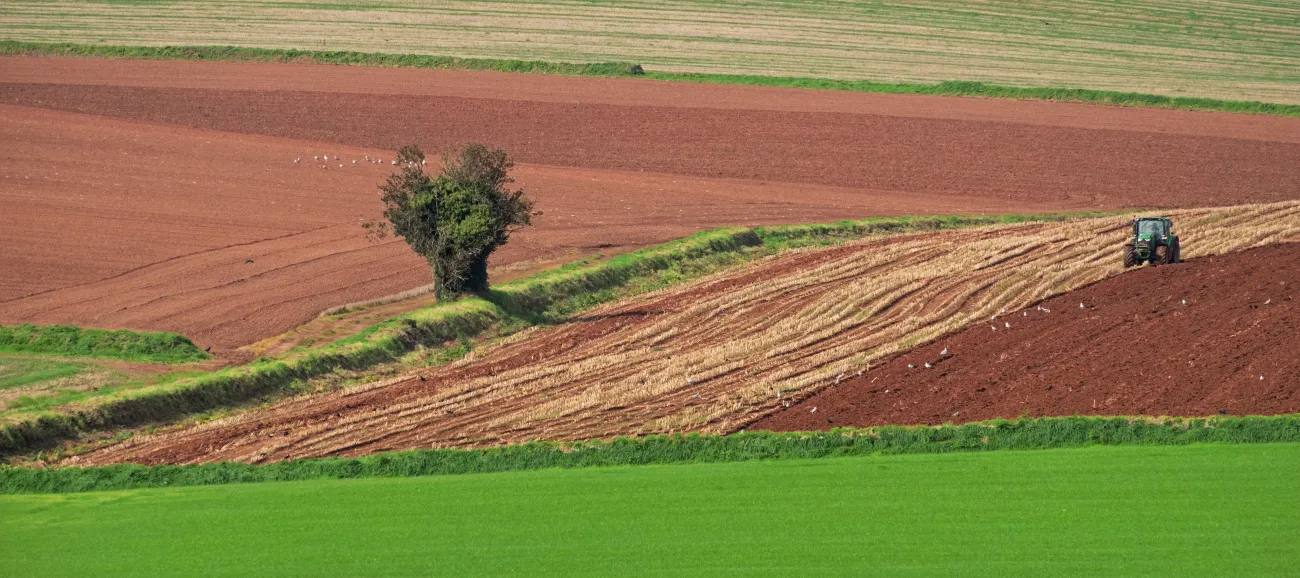
The study calculates food system “budgets” across each boundary, showing that agriculture and food production are the dominant cause of breaches in at least four: biosphere integrity, land system change, freshwater change and biogeochemical flows. Food systems also strongly contribute to the transgression of two others — climate change and novel entities such as pesticides and antibiotics.
However, the paper also provides a roadmap for how food systems could move back within these boundaries. The authors identify pathways such as halting the conversion of natural ecosystems to farmland, redistributing fertiliser use, reducing greenhouse gas emissions, and cutting down on pesticide and antibiotic use — all while maintaining sufficient food supply for a growing global population.
Co-author Dr Marco Springmann of Oxford’s Environmental Change Institute contributed to the study’s analysis of how shifts in diets, food waste, and production practices can help realign food systems with planetary limits.
The findings highlight both the scale of the challenge and the opportunity for coordinated global action to make food systems a cornerstone of environmental sustainability.
Read the full paper in Nature Food: Identifying the safe operating space for food systems