

In this interview with UOL, (Universo Online), a leading Brazilian online news platform, Erika Berenguer, from the Environmental Change Institute (ECI) discusses the worsening wildfire crisis in the Amazon, the political and environmental challenges driving it, and the urgent need for action.
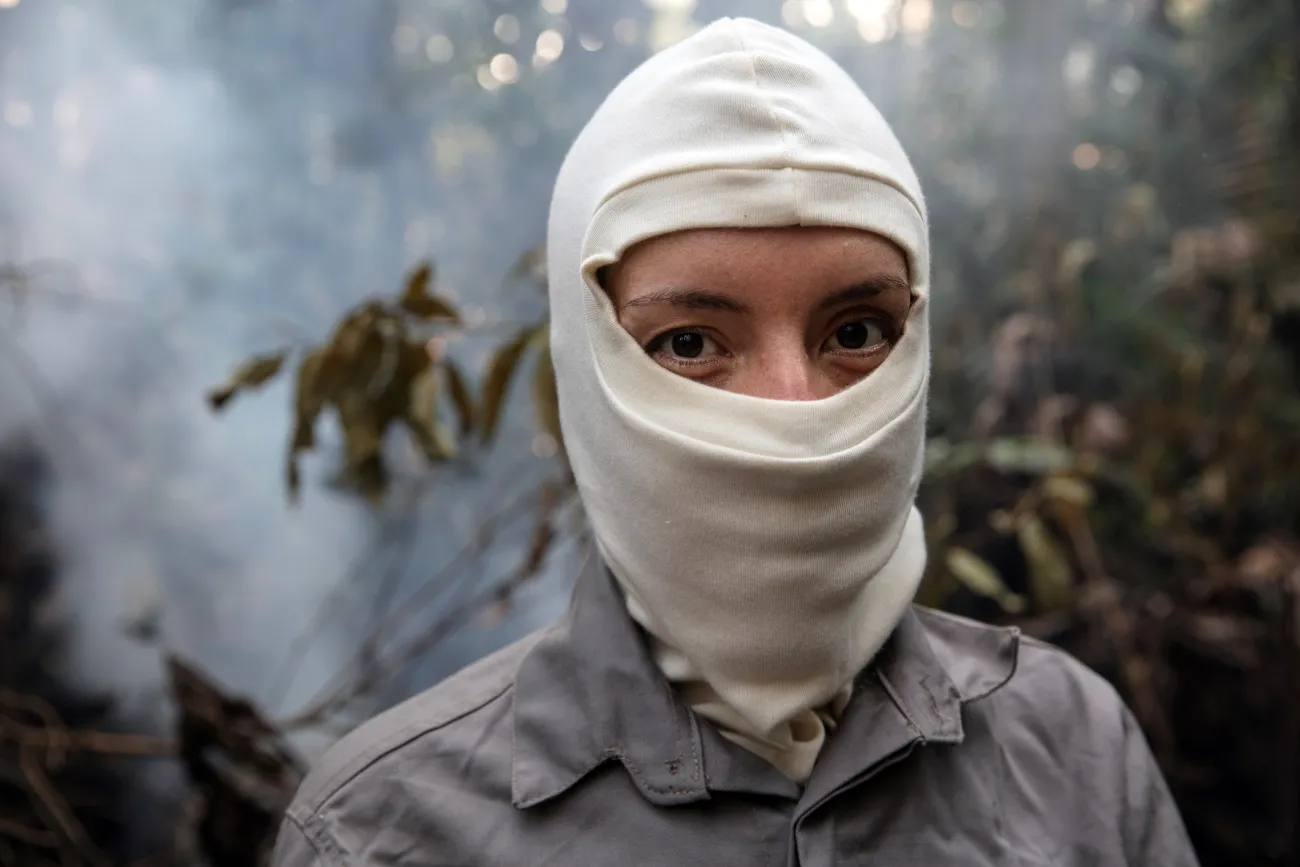
By Gabriel Penna, UOL Ecoa
For biologist Erika Berenguer, a researcher at Oxford and Lancaster Universities who has been studying the causes and effects of Amazon fires for over 15 years, forest fires are not only here to stay, but are expected to worsen. Recent data from the National Institute for Space Research (INPE) reinforced the scientist's warning, pointing to forest fires as the main cause of the increase in Amazon deforestation in the first half of 2025, after two years of decline. She said:
It's a change of pattern in a generation. With climate change and the reduction of vegetation cover, the forest is so dry that it has become a flammable landscape."
According to Erika, in the long term the Amazon tends to become a less dense forest, with great loss of biodiversity and a collapse in carbon stocks.
In addition to concrete actions to reduce greenhouse gas emissions, such as not drilling new oil wells, Erika advocates that the country implement measures to address the different sources of fire, such as firmly combating illegal deforestation, encouraging new pasture management techniques, and providing financial support to small farmers. She added:
We can't treat fire as a single problem. It involves multiple actors and requires a range of solutions, which must change over time."
In recent years, the Amazon has faced the worst droughts in its history, both in intensity and duration. Is this caused by the strength of the El Niño phenomenon (warming of the Pacific Ocean waters)?
The strongest El Niño on record was in 1998. There was less trade winds, which flow from the Atlantic to the continent, and with it less moisture in the Amazon basin, which generated a greater drought. That year, we saw the first megafires in the Amazon, including the one in Roraima, which even led [then-president] Fernando Henrique Cardoso to call on Chief Coral Snake to try to make it rain. Then came the 2015 El Niño, which dwarfed the 1998 El Niño. It was the second strongest in history, but the fires were even larger, some burning more than 100,000 hectares of forest.
The 2023 El Niño wasn't a strong El Niño, so why was there such a severe drought? Two factors contribute to exacerbating the drought caused by El Niño. The first is climate change, which, in the Amazon, does lead to higher temperatures, but mainly to a change in rainfall patterns, reducing precipitation and making the entire Amazon basin drier. In the southern part of the basin, there are regions where the dry season already lasts two weeks longer than the historical average.
The second factor is deforestation. About half of the precipitation that falls in the Amazon is generated by the forest itself. The images we see of mist rising from the forest early in the morning, which we call evapotranspiration, is simply water released by the trees into the atmosphere, which forms the flying rivers, generating rain and carrying humidity to the rest of the country. If we have less forest because of deforestation, we will have less rain. Add to this the effects of climate change and the drought caused by El Niño, and you have the catastrophe combo. That's why there was that extreme drought in 2023, with very dry rivers and all the smoke, and this will continue to happen.
An El Niño like the one in 1998 is an extreme climate event, and its impacts were rare. But now it's not as difficult to have such large impacts because the underlying conditions have changed. For example, if someone comes into contact with a fungus, if they have a good immune system, they will have mild symptoms. Now, if the person is immunosuppressed for any reason, they will have a super disease, with much more severe symptoms. With climate change and deforestation, the Amazon is becoming increasingly immunosuppressed.
Does this mean the Amazon fires are here to stay?
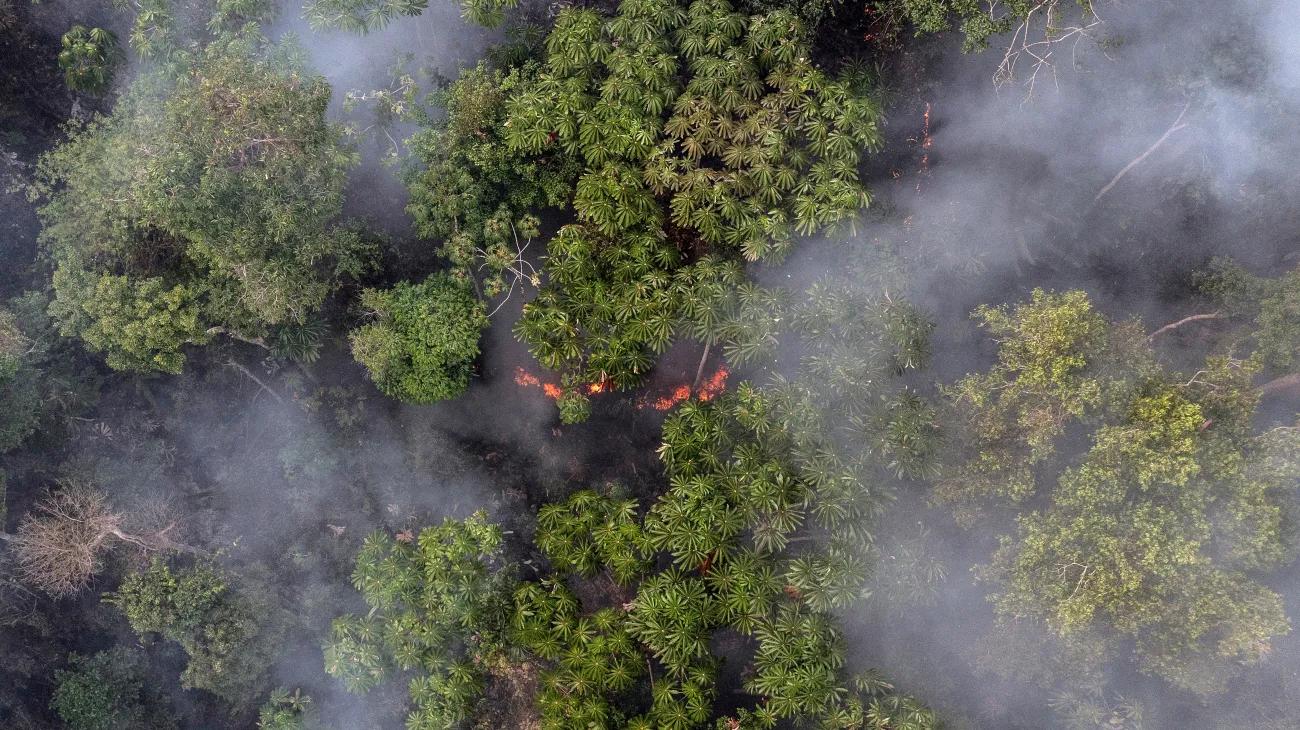
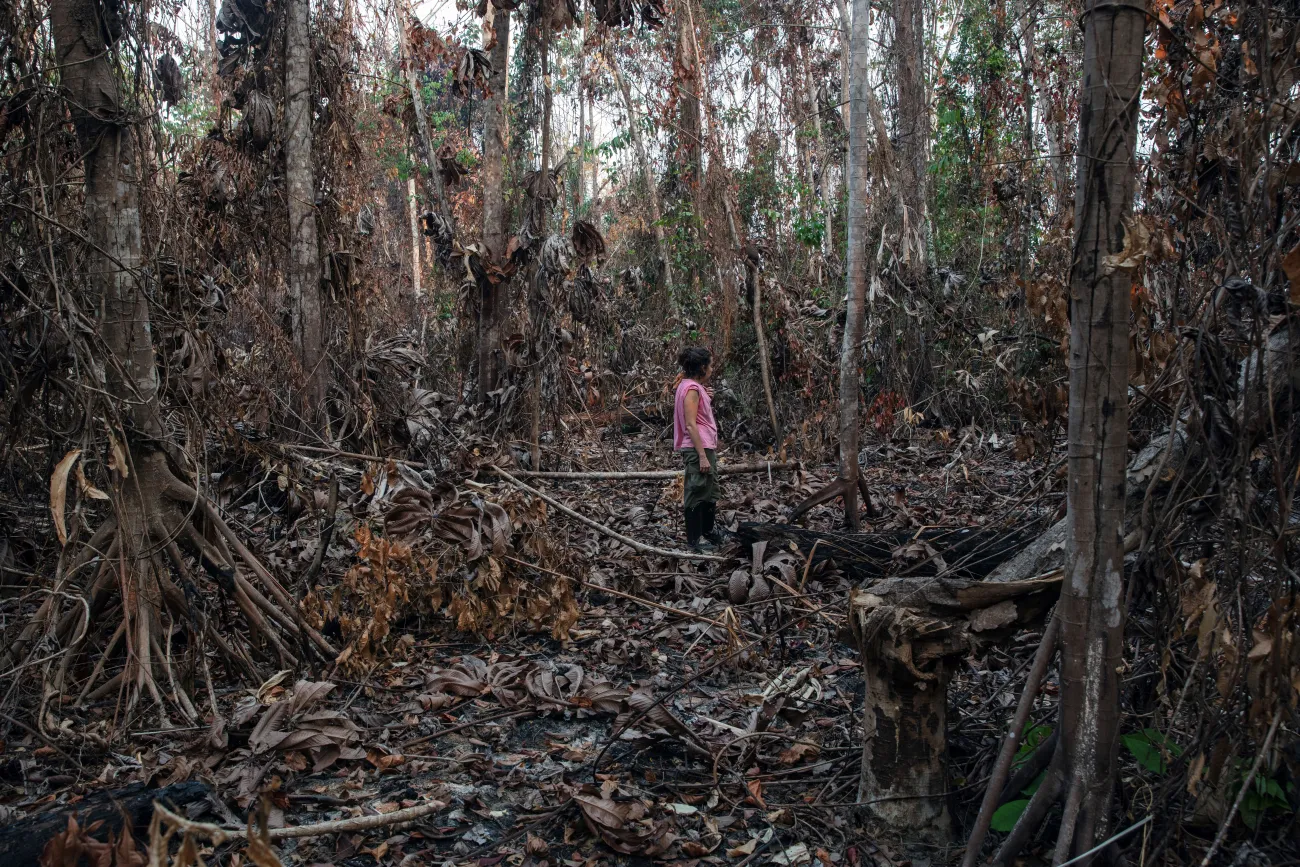
In the short and medium term, we will continue to have an Amazon that burns. The forest is so dry that anything can cause it to burn; it's a flammable landscape. And phenomena like El Niño tend to generate increasingly greater impacts. It's a change within a generation, something unthinkable in my childhood. We had a forest that evolutionarily didn't burn, and now it's burning. With this changing pattern, it's crucial to understand how areas degraded by fire recover or not in the long term, which is already the focus of some of our research.
Fire-resistant ecosystems are those that evolved with fire. In Brazil, the Cerrado is a classic example. In other places, such as California (USA), Canada, the Mediterranean region, Portugal, Spain, and Greece, you have forests where fire naturally occurs from time to time. Of course, climate change has increased the frequency and intensity of fires, but these are ecosystems that evolved with this and created adaptations. You have species with seeds that sprout and flower after the fire passes, or trees with thick bark that acts as thermal insulation, protecting the core of the plant even in extreme heat.
In the case of the Amazon and the Atlantic Forest, these ecosystems are sensitive to fire and require a lot of rain. The forest hasn't developed a fire protection mechanism because it's never experienced this pressure; it doesn't have fire in its history. The bark of Amazonian trees, for example, is super thin, just millimeters. Why would you develop a defense against something that doesn't exist?
And what are the consequences of this low resilience in the long term?
It's quite problematic because it could cause a significant change in the biodiversity that existed there before the fire. You'll see a different type of vegetation, with a greater presence of what we call pioneer species, which are the first to arrive after a disturbance and are able to grow well. The Amazon would become a more open forest, not quite a savanna, but less dense, with native species that can better cope with drought.
The problem is that even these pioneer species have a lifespan of 50 to 150 years, so it's a very slow process. It's impossible to engineer the forest so that it can return to normal in 10 years. In fact, several studies show that half of the trees in the Amazon with a circumference of 30 centimeters or more are 400 years old. Returning to pre-fire conditions requires timescales far beyond human intervention. This would have enormous impacts on biodiversity conservation, as well as a collapse in carbon stocks, generating significant greenhouse gas emissions into the atmosphere.
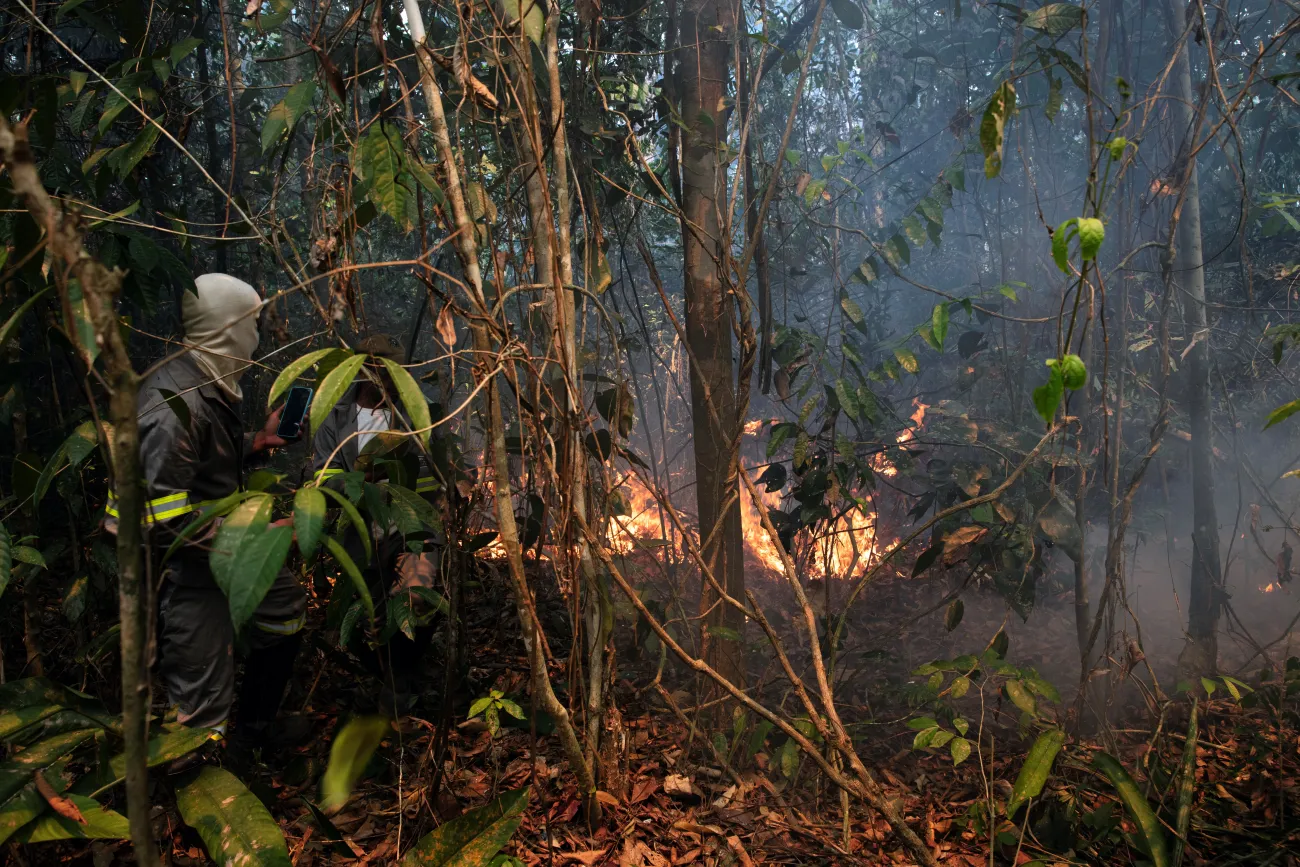
You and a group of scientists published an article in the journal Nature warning of this irreversible scenario of forest ecosystem collapse, also called the point of no return. How close are we to it today?
There are three factors that lead to the so-called point of no return: deforestation, climate change, and fire, which is still largely neglected. It's as if we were driving a Ferrari, in a dark place with a broken headlight, toward a precipice that's right up ahead somewhere. We don't know if this precipice is at 20% or 25% forest cover loss, but we know it's ahead. So I ask myself: does it matter, knowing whether it's 20%, 21%, or 25%? This doesn't seem to me to be in the interest of Brazilian society.
This discussion of the point of no return may have intellectual value for academia, but for society and for public policy decision-making, what matters is knowing that this point is getting closer and closer and that three factors are acting simultaneously to lead us to this abyss. Even so, will we choose the path to the abyss?
It's also important to emphasize that, while we discuss deforestation and climate change extensively, the issue of fire has received less focus, whether in research, public policy, or funding. Fire is still largely overlooked as one of the problems of this Ferrari driving in the dark with a broken headlight, heading toward a precipice.
The federal government has announced measures to prevent and combat fires, such as the creation of a national committee, an increase in firefighters, and support for regional prevention plans and integrated fire management. In your view, will the measures
Reversing it, no, changing the rate of growth, I believe so. All of these measures are extremely important to address the problem. The government's acceptance of the problem is a first step; acting against it is another. This is essential to addressing the fires in the Amazon, but these steps must become state policy, not government policy, because governments change, and we've seen that when they change, we can see an erosion of the legal framework for environmental regulation. We need a state policy that understands that, given climate change and deforestation to date, the situation cannot be reversed and will worsen. We need turning points to prevent the problem from taking the worst possible turn.
And, you see, we can't reverse this, not because of the state or certain actors, but because of climate change. Carbon dioxide has a lifespan in the atmosphere of hundreds of years, so we can't solve this in 10 years. We need to immediately curb fossil fuel emissions worldwide to improve our climate future, thus reducing fires in the Amazon.
Locally, what can Brazil do about this massive problem? Implement these public policies and also consider new solutions, testing them at different scales for the Amazon and other biomes, because the problem will worsen over time, and we need solutions that change over time. We also need to understand that certain solutions are appropriate in certain contexts and not in others. There is no single solution to the fire problem in the Amazon; we need a menu of solutions.
You've studied and advocated for a range of solutions capable of addressing these different contexts and sources of fire, such as deforestation, pasture management, and clearing. Can you comment on them?
Yes, we can't treat fire as a single problem. It involves different actors and therefore requires different solutions. Regarding burning caused by deforestation, the solution is very clear: combat and reduce it. Data shows that 96% to 99% of deforestation in the Amazon is illegal—in other words, we're talking about environmental crime. If someone is already doing something illegal, they won't bother taking any measures to prevent the fire from escaping into the forest. Therefore, there must be non-volatile oversight, according to the government, but rather a Brazilian state program.
In the case of pastures, fire is used to generate ash that helps fertilize and increase grass growth on soils that are already overused and impoverished. Agronomic techniques have already been implemented in some regions to increase productivity without the use of fire. Drones apply fertilizers and pesticides to prevent shrub growth and increase the amount of grass available. These are alternatives to fire, but they have other associated impacts, so it's crucial to measure and evaluate these impacts. There are also intercroppings of protein-rich species, allowing for less grass, while these shrubs can meet the animals' protein needs.
Regarding the plantation, which often emerges in the debate as the villain of the story, it's very important to understand that we're talking about subsistence agriculture. People cultivate the land to produce cassava and flour, or they go hungry. So it's a matter of food security. And also of climate justice, as traditional populations and small producers who depend on family farming are certainly not the biggest contributors to the emissions that cause climate change. On the contrary, these populations have historically played an important role in keeping the forest standing.
Any solution on this front needs to take this into account. Currently, there are some interesting programs for mechanizing the fields, using modified machinery, but it can be difficult to scale because the equipment is expensive and doesn't work everywhere. Another proposal I've been advocating for some time is the creation of a forest closed season grant, along the lines of the closed season insurance, which is paid to fishermen to refrain from fishing during the fish breeding season. In the forest, this would be a benefit paid in years of extreme drought, so that families who depend on the fields don't burn during this period. The government already has a registry of these families, so it would be simple to implement and could be tested, for example, in
This is a year of Brazil's leading role in the global climate agenda, with COP30 and a mandate to guide the agenda before, during, and after the conference. In your view, what should be the country's top environmental priority at this time?
Say no to oil exploration at the mouth of the Amazon. This is the concrete measure we can take to prevent more greenhouse gases from being released into the atmosphere. These emissions from our country will weaken the forest, worsening climate change, which leads to reduced precipitation and, therefore, more forest fires. If we want to effectively demonstrate that we are a green nation, the greatest contribution we can make is to say no to new oil wells in the country.
Using the social development of our population as a reason for the exploration of new wells is climate denial, because these populations will be the most affected by climate change. The more socioeconomically vulnerable a population is, the more affected it will be by climate change. Saying that new exploration will lead to wealth is like trying to hide the truth or, as we say in academia, simply denying the evidence.
You can read the interview in full at UOL Ecoa: 'Anything makes it burn,' says Oxford researcher on the Amazon