

A new study reveals that the impact humans are having on the Amazon rainforest is so profound it is even changing the evolutionary history and ecological functions.
As the world gathers at COP30 to discuss climate in the world’s largest rainforest, the focus is often on the carbon that these forests either store or sequester.
However, tropical forests are much more than just carbon: they are among the biggest reservoirs of biodiversity on the planet. For example, the Amazon holds up to 16,000 species of tree alone, with a single hectare frequently containing more than 300 species. In comparison, the UK has just 32 species of native tree and the whole of Europe has around 450.
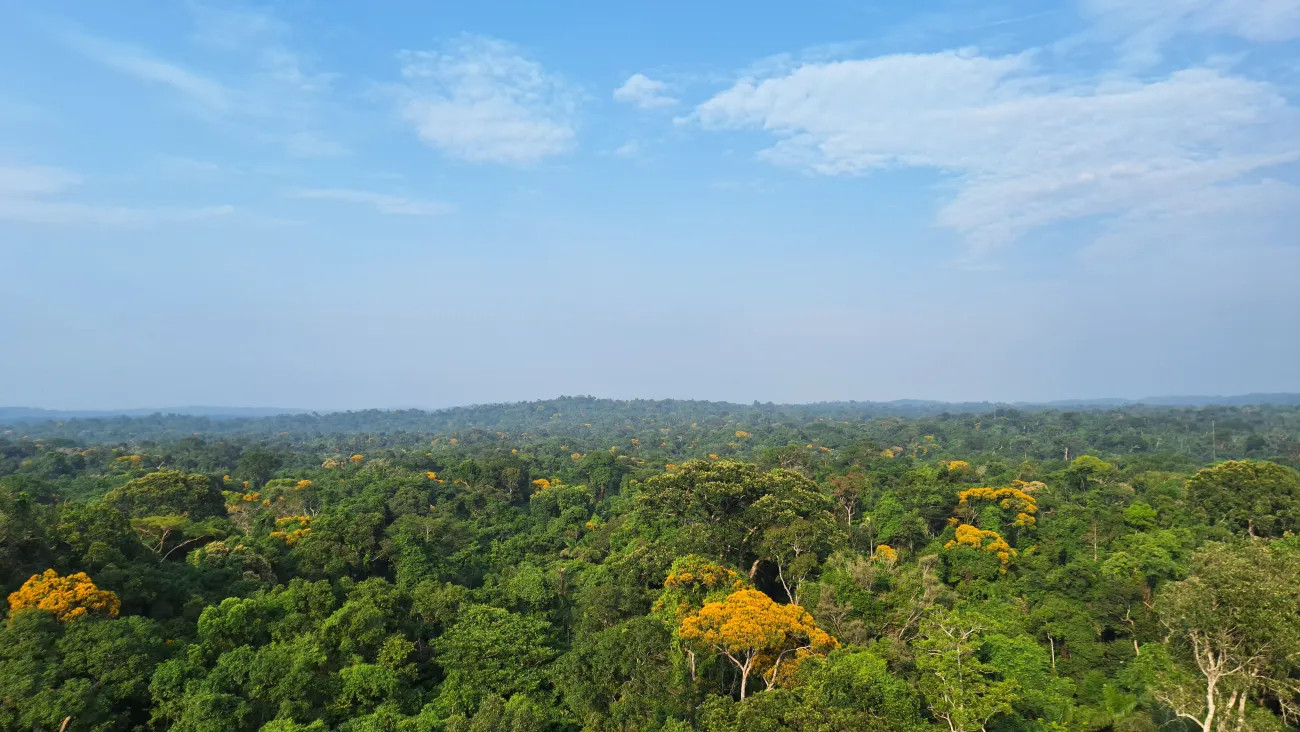
Above-the-canopy view of an undisturbed Amazonian forest
A new study, published in Global Change Biology, by an international team of researchers from Brazil and the UK and led by scientists at the universities of Oxford and Lancaster, shows that human disturbances – from logging and fires of primary forests, or the clear felling and forest recovery after land abandonment (secondary forests) – brings about a comprehensive change in these hyper diverse tree communities.
The effects of human disturbance are so great that they overwhelm the different ways scientists measure biodiversity.
Scientists have spent the last two decades advancing ways to measure changes in biodiversity, developing ‘functional’ approaches that use traits (such as bark thickness, wood density, leaf area and micronutrient content of leaves) to understand the link between tree species and what they do in an ecosystem, and ‘phylogenetic’ methods that assess how each species relate to one another through evolution.
Brazilian-born Dr Erika Berenguer, Senior Researcher at the Environmental Change Institute (ECI) at the University of Oxford, and Research Fellow at Lancaster University, co-led the study with Dr Cássio Alencar Nunes of Lancaster University and the Universidade Federal de Lavras, Brazil.
Dr Berenguer said:
While these advances are important, our results show that when it comes to understanding human influences on rainforests, it does not matter much - human influences are so profound that all measures are changing, and it is the disturbance itself that determines the degree of change.”
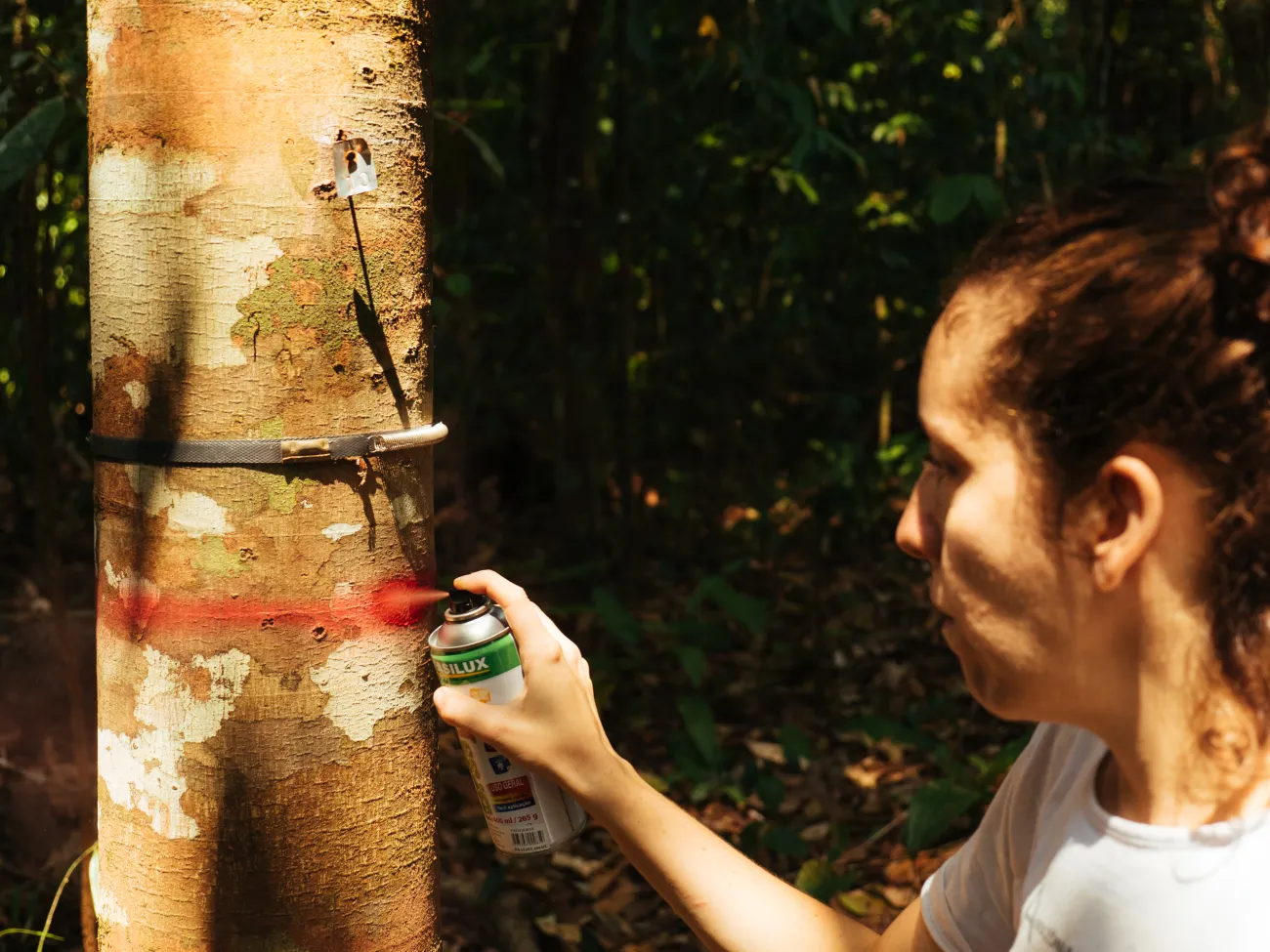
Dr Erika Berenguer measuring trees in the Brazilian Amazon
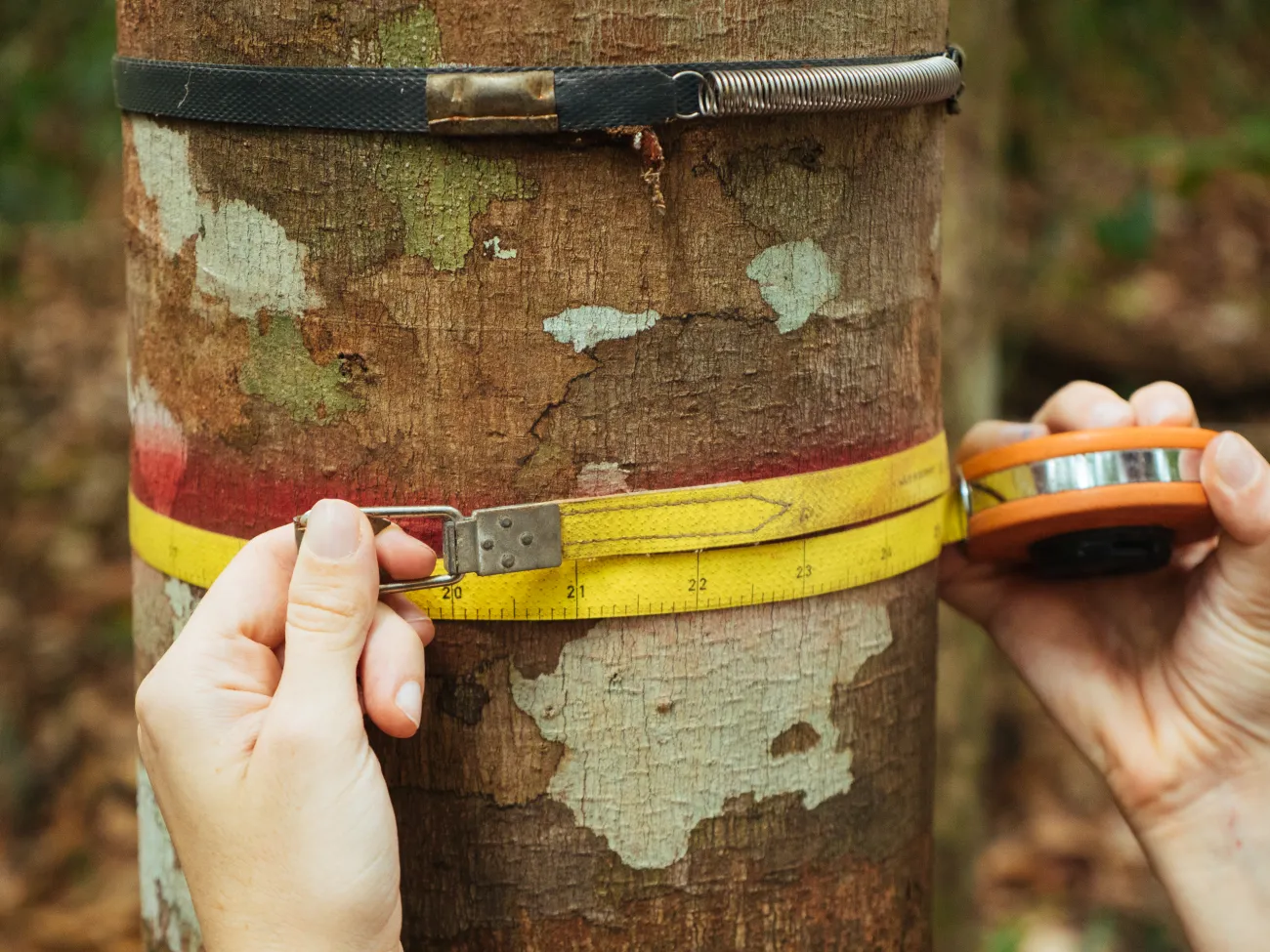
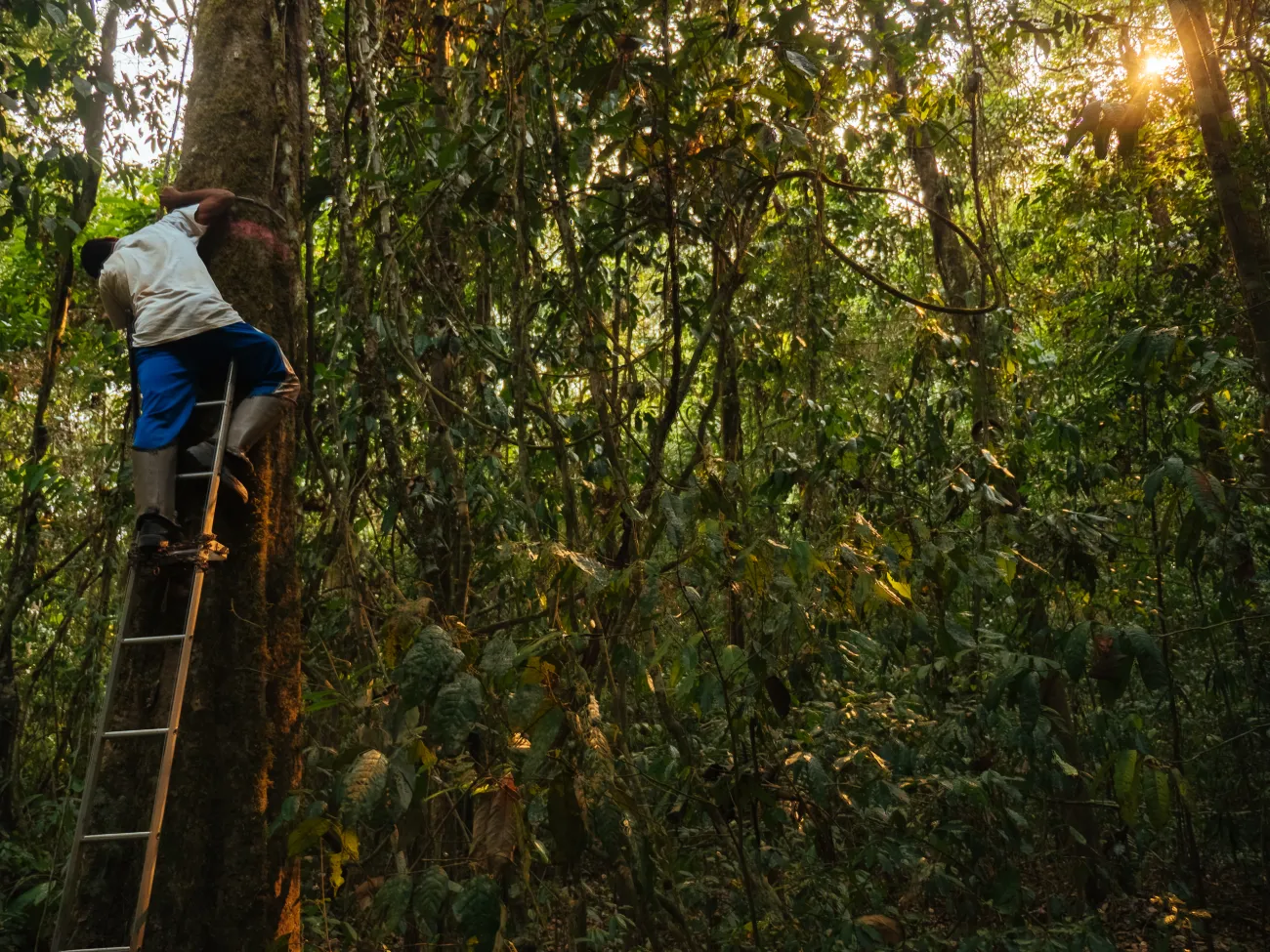
The researchers sampled more than 55,000 trees across 215 plots in two regions of the Eastern Amazonia. The plots represented a range of human impacts – from undisturbed primary forests, to primary forests that had been selectively logged, primary forests that had been logged and burned, and secondary forests.
For each plot, the scientists measured the diversity of species of trees, the diversity of functional types of trees (linking the tree traits to the ecological functions those trees have in the forests), as well as the diversity of tree evolutionary groups within the forests. This helped to get a comprehensive measure of the composition and ecological diversity of the forests.
The findings highlight that even activities that are considered as sustainable management, such as selective logging, have profound impacts on the diversity of trees, which constitute the structure of a forest and represent the primary energy source for a multitude of other species.
Secondary forests allowed to regrow after clearance were found to be the most ecologically and evolutionarily distinct from their undisturbed primary counterparts – which researchers say is unsurprising considering clear felling is the most severe form of human change.
Disturbed primary forests and secondary forests had lower numbers of tree species, but also lower numbers of evolutionary lineages and functional types of trees.
The expectation is that forests that are more diverse – composed of more species, more functional types and more lineages that have evolved along different paths – should be more resilient because of that different evolutionary history and functional contribution.
They found that all human disturbances – including logging, wildfires and clear felling followed by regrowth negatively impacted all measures of tree diversity.
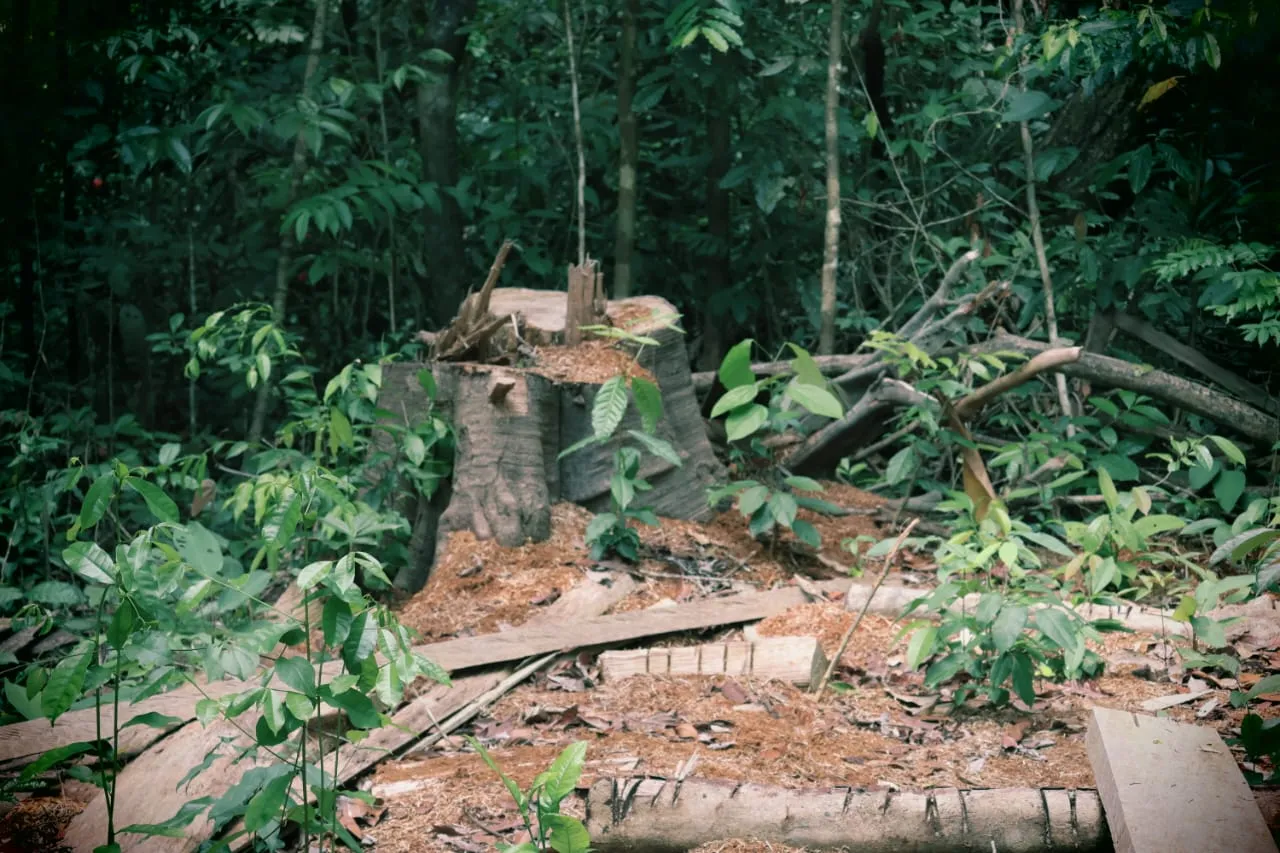
A logged tree within a primary forest in the Brazilian Amazon
Dr Nunes said:
It wasn’t just the numbers that were lower, but also the identity of the species, lineages and functional types changed after disturbance. Disturbance is not only resulting in impoverished tree diversity, it is also changing the species composition of human-modified Amazonian forests. An example of this is we find disturbed forests see a greater prevalence of ‘pioneer’ tree species and much fewer of the larger slower growing species we find in undisturbed forests."
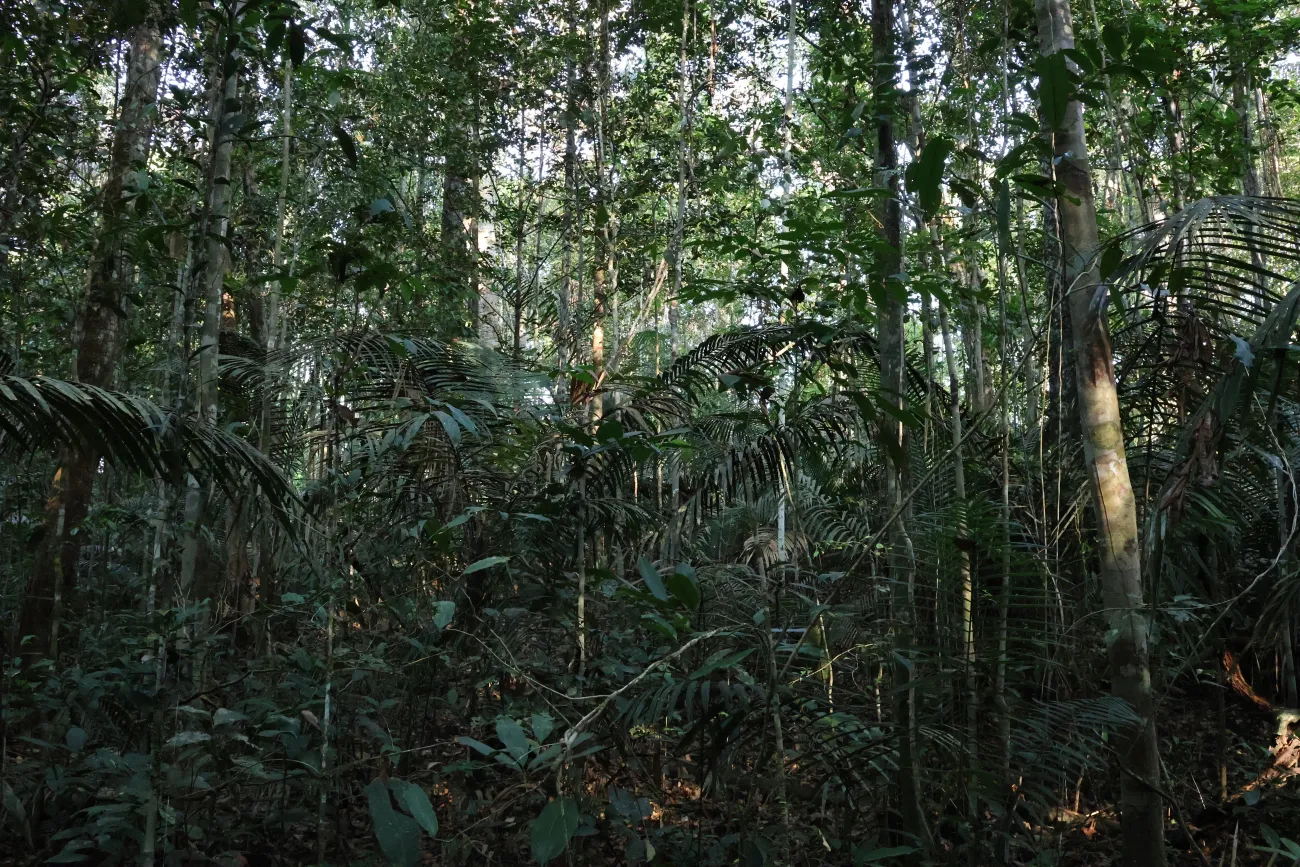
Undisturbed Amazonian forest in the Amazonas state in Brazil
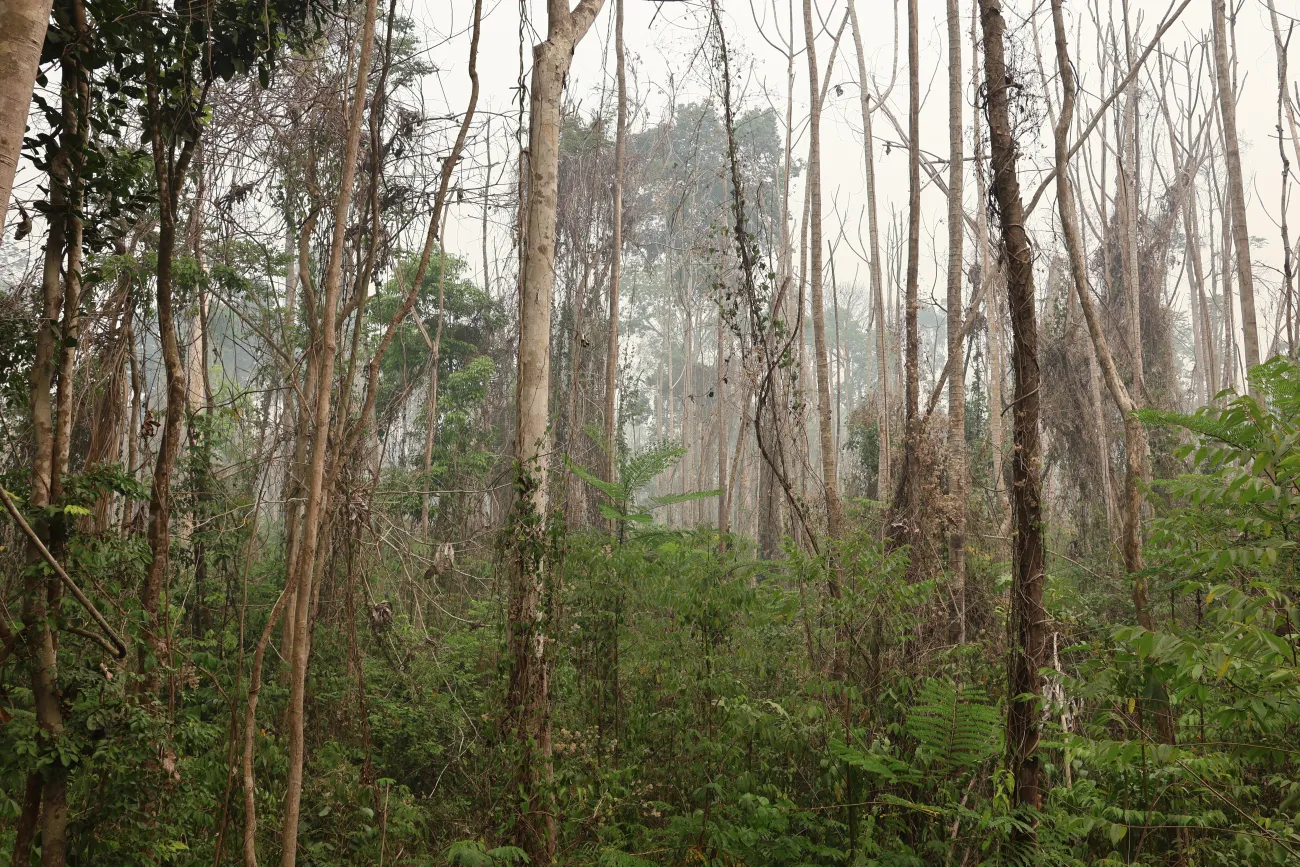
A burned primary forest in the Brazilian Amazon. The forest burned in 2015 and in 2023. The photo was taken in 2024, approximately one year after the fire.
The study’s findings highlight the damaging impacts of humans on the diversity of tropical forests and the importance of protecting the remaining undisturbed areas from selective logging and wildfires.
The researchers say their findings show that human-modified forests are fundamentally different from untouched ones. As the Amazon faces growing human pressures, protecting what remains of its undisturbed forests is vital — not only for storing carbon, but also for safeguarding the deep evolutionary heritage that underpins one of the planet’s most diverse ecosystems.
They add that the results also demonstrate the continued importance of disturbed forests, particularly when compared to areas regenerating after clear-felling. This underlines the need for new funding mechanisms, such as the Tropical Forest Forever Facility (TFFF), that support the conservation of all forests, not only those unaffected by human activity.
Launched at COP30 in Belém, Brazil, the TFFF is an ambitious international initiative championed by Brazil’s environment minister, Marina Silva. Developed with input from the World Bank and financial experts, it aims to raise $125 billion through investment bonds and use the returns to reward countries and communities that protect their standing forests — disrupting the economic incentives that currently drive deforestation.
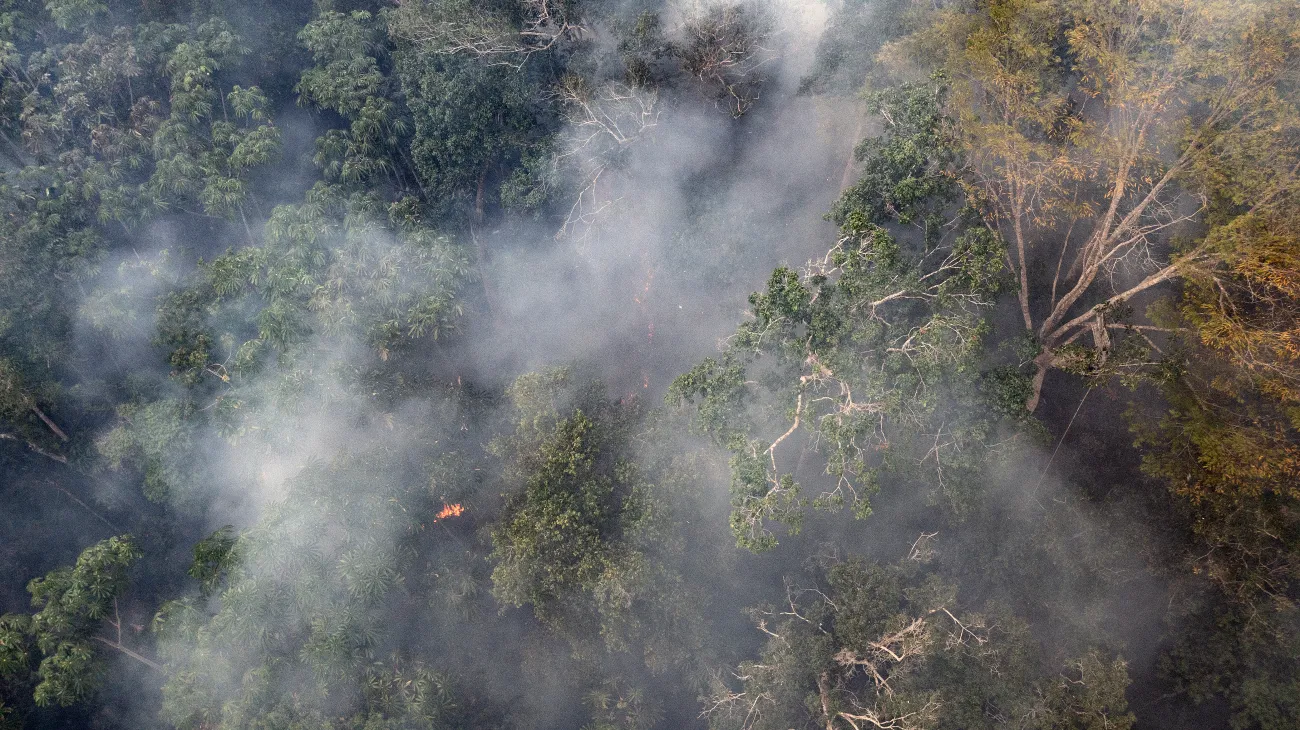
Fire under the canopy of an Amazonian forest in 2023
Dr Berenguer, is currently leading the University of Oxford’s COP30 delegation in Belém where she is heading an official UNFCCC side event in partnership with Greenpeace, WWF, and SOS Mata Atlântica. The event, ‘From Trade-offs to Synergies: Aligning Climate and Biodiversity Policies’ brings together experts from across government, academia, and NGOs, and will highlight the role of Brazil’s forests and how threats like wildfires may undermine joint solutions amid climate overshoot.
Dr Berenguer added:
Although the focus of COP30 is mostly on carbon, linking climate discussion with biodiversity is essential if we want to overcome the climate and biodiversity crisis. Ultimately, biodiversity is what guarantees the provision of ecosystem services such as carbon sequestering and stocking.
"Given that disturbed forests presented impoverished and distinct tree compositions, it is expected that large areas of the Amazon are already unable to provide the full range of ecosystem services found in undisturbed primary forests.”
The study was developed as part of a long-term research programme (PELD-RAS) funded mainly by Brazil (CNPq), the UK (UKRI and DEFRA’s Global Centre on Biodiversity for Climate) and BNP Paribas Foundation’s Climate and Biodiversity Initiative. It also involved additional researchers from the ECI, Dr Jesus Aguirre-Gutierrez, Associate Professor, and Functional Biodiversity & Earth Observation Lab (BioEO Lab) Lead, and Professor Malhi, Ecosystems and Biodiversity Lead.
Read the full paper in Global Change Biology: Multi-faceted assessment of Amazonian tree diversity reveals pervasive impacts of human modifications