

Animals may play a bigger role in how much carbon ecosystems can store as the climate changes than previously recognised, according to new research involving Professor Yadvinder Malhi at the Environmental Change Institute.
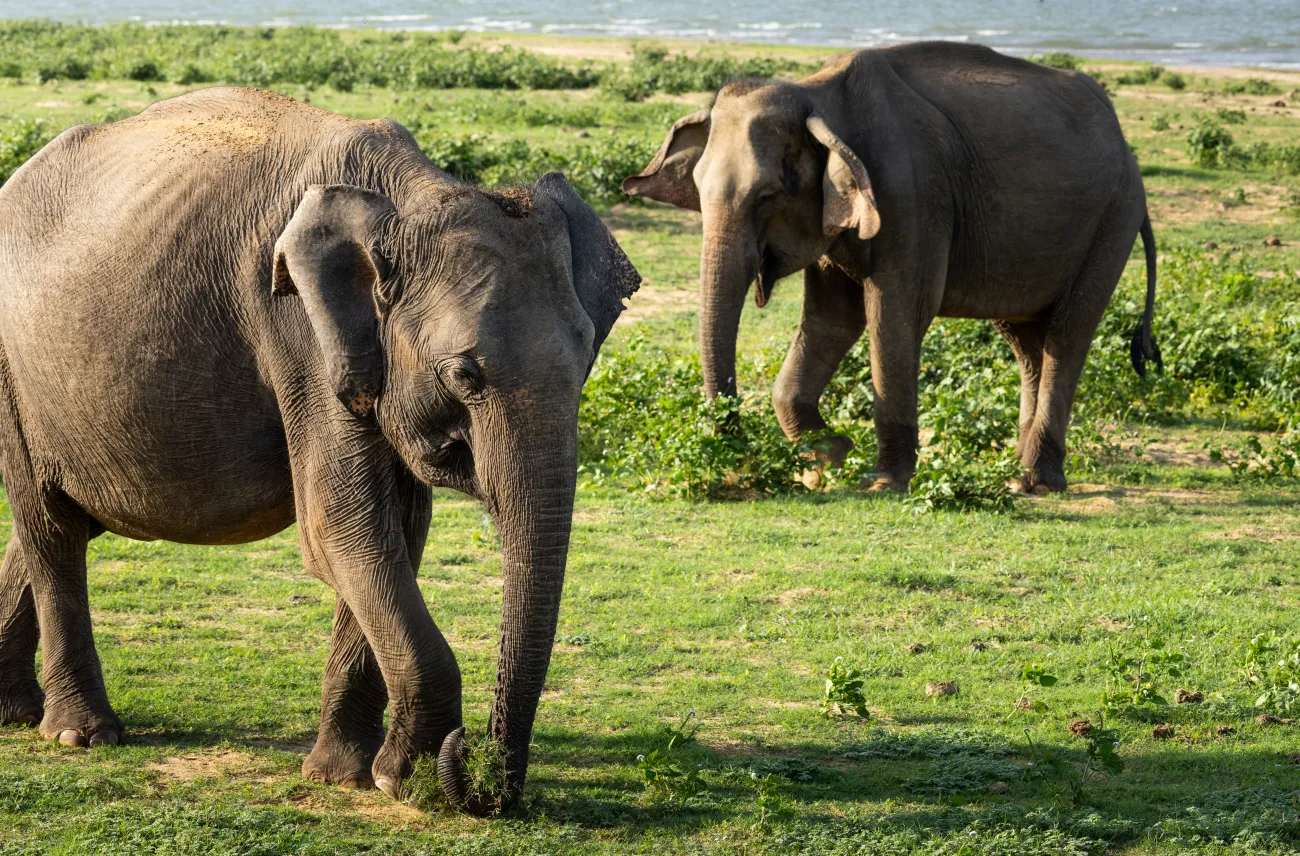
Published in Proceedings of the National Academy of Sciences (PNAS), the study brings together results from 708 experiments across 132 studies around the world. It looks at how herbivores interact with changes such as warming, drought, increased rainfall, fire and fertilisation to affect the amount of carbon stored in ecosystems.
The researchers found that these environmental changes, when considered on their own, increased ecosystem carbon stocks by an average of 27%. But when herbivores were also present, the picture changed. Together, global change and herbivory led to an average 23% reduction in ecosystem carbon stocks, reversing the potential gains.
The effects were particularly strong in plant material above ground, dead plant matter (litter) and microbial biomass. The impact also varied between different environments, with tropical regions, drylands, aquatic ecosystems and areas undergoing restoration among those most affected.
The size and number of herbivores also mattered. Small herbivores, including insects and other invertebrates, were associated with carbon losses of around 18%, while the effects linked to larger herbivores weighing more than 100 kg were much smaller. Greater numbers of herbivores were also linked to greater carbon losses.
But the study highlights an important trade-off. When herbivores were excluded from ecosystems experiencing global change, carbon stocks increased by 39% – but plant diversity fell by 12%.
This suggests that simply removing herbivores to increase carbon storage could have unintended consequences for biodiversity.
Prof Malhi, Ecosystems and Biodiversity programme lead at the Environmental Change Institute (ECI), is one of the study's co-authors. His research includes the relationships between vegetation, animals, climate and ecosystem function. He is also Director of the ECI’s Leverhulme Centre for Nature Recovery.
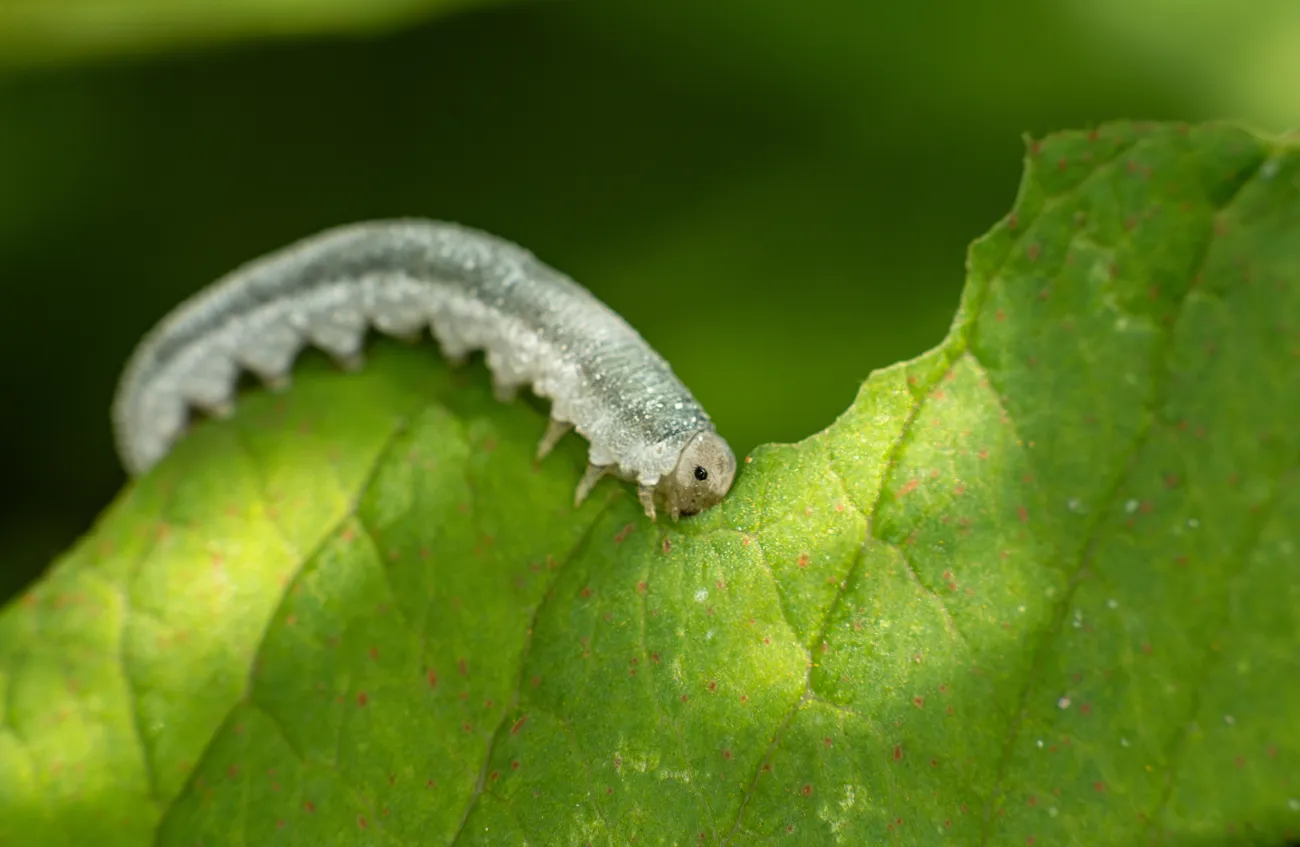
These interactions need to be taken into account when we think about how ecosystems will respond to climate change, and when developing nature-based solutions to help tackle it.
The findings also show that there is no one-size-fits-all approach to increasing carbon storage. The effects of herbivores differed depending on the ecosystem, climate, stage of restoration and the type and number of animals present.
Nature-based solutions therefore need to consider both carbon storage and biodiversity, rather than focusing on carbon alone.
The study was led by researchers at Peking University.
Read the full paper published in PNAS: Trophic regulation constrains ecosystem carbon accumulation under global change