



A new study from researchers at the Environmental Change Institute (ECI), working with the Oxford Martin School’s Systemic Resilience Initiative, examines how global grain markets respond to compound shocks affecting wheat, maize, rice and soybeans.
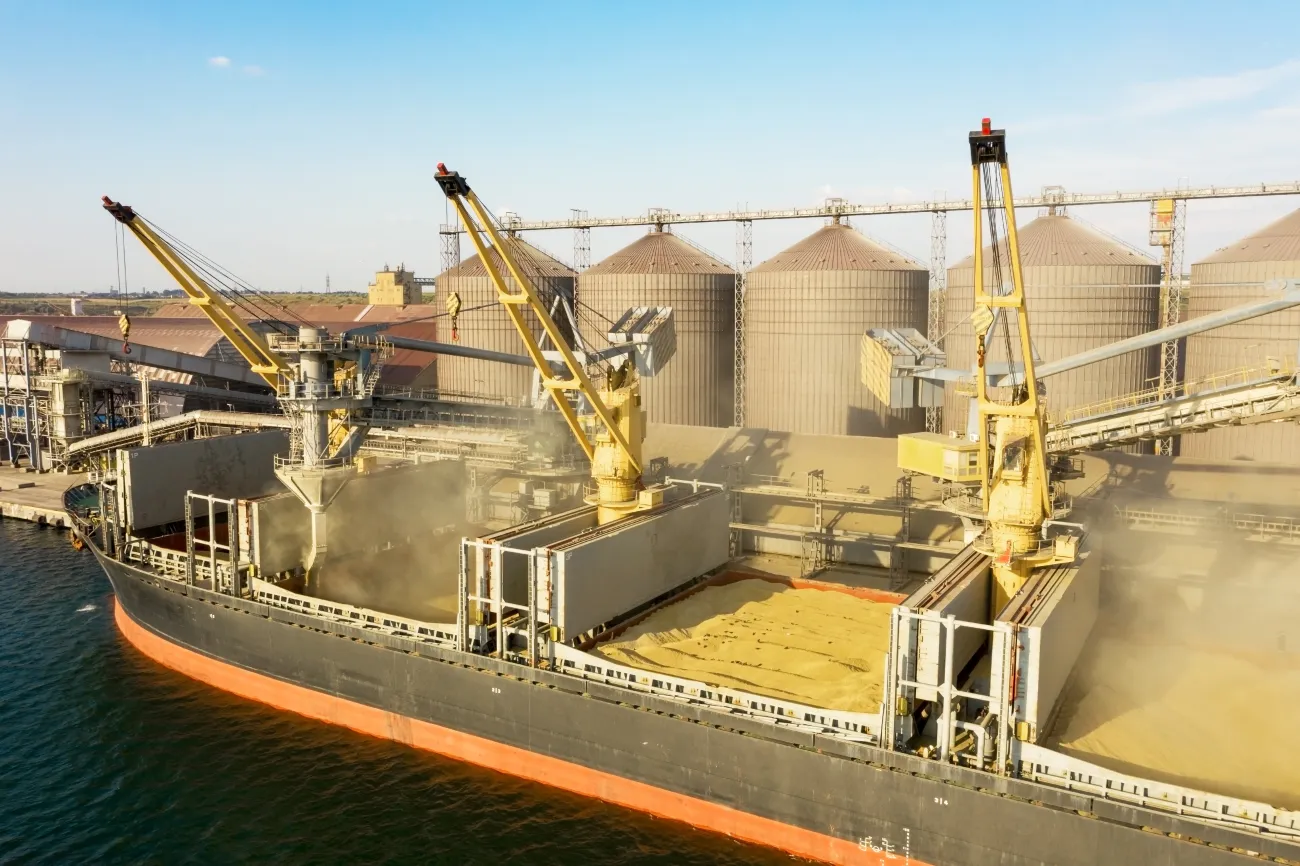
The research uses a global model of grain trade covering 177 countries to assess how multiple shocks — including extreme weather affecting harvests, disruptions to trade, and sharp increases in energy and fertiliser prices — propagate through international markets, and how trade systems respond.
One of the key findings is that energy price spikes — which feed directly into fertiliser and transport costs — have the most widespread impact on food prices globally. Because energy is used throughout agricultural production and distribution, this type of shock affects almost all countries at once. In many cases, the impact of rising energy costs is larger than the direct effects of war-related trade disruptions or export restrictions.
The study, published in PLOS Climate, finds that international trade plays an important buffering role. When one region experiences a shock, countries can often adjust by sourcing grain from alternative suppliers. However, this flexibility weakens during severe or simultaneous disruptions, when multiple exporting regions are affected at once.
Even with global trade, weather remains a major source of risk. Bad harvest years alone can significantly raise prices, and when combined with other shocks, the effects are amplified. The research shows that it is the combination of weather variability with economic and political shocks that creates the most severe global impacts.
The study also highlights large differences in vulnerability between countries, particularly those highly dependent on imports, reliant on a small number of suppliers, lacking large grain stockpiles, or with limited ability to adjust consumption when prices rise. Countries with more diversified trade links and higher storage capacity are better able to absorb shocks.
Overall, the findings suggest that while the global grain system is resilient under typical conditions, it becomes significantly more fragile when multiple shocks occur at the same time. The authors argue that understanding these “compound risks” is essential for designing policies that strengthen food system resilience.
Read the paper in full in PLOS Climate: Assessing the resilience of global grain supplies to compound climatic and non-climatic shocks