
Global forests are becoming more productive but less resilient, with rising atmospheric dryness emerging as a major driver of resilience loss, according to new research.
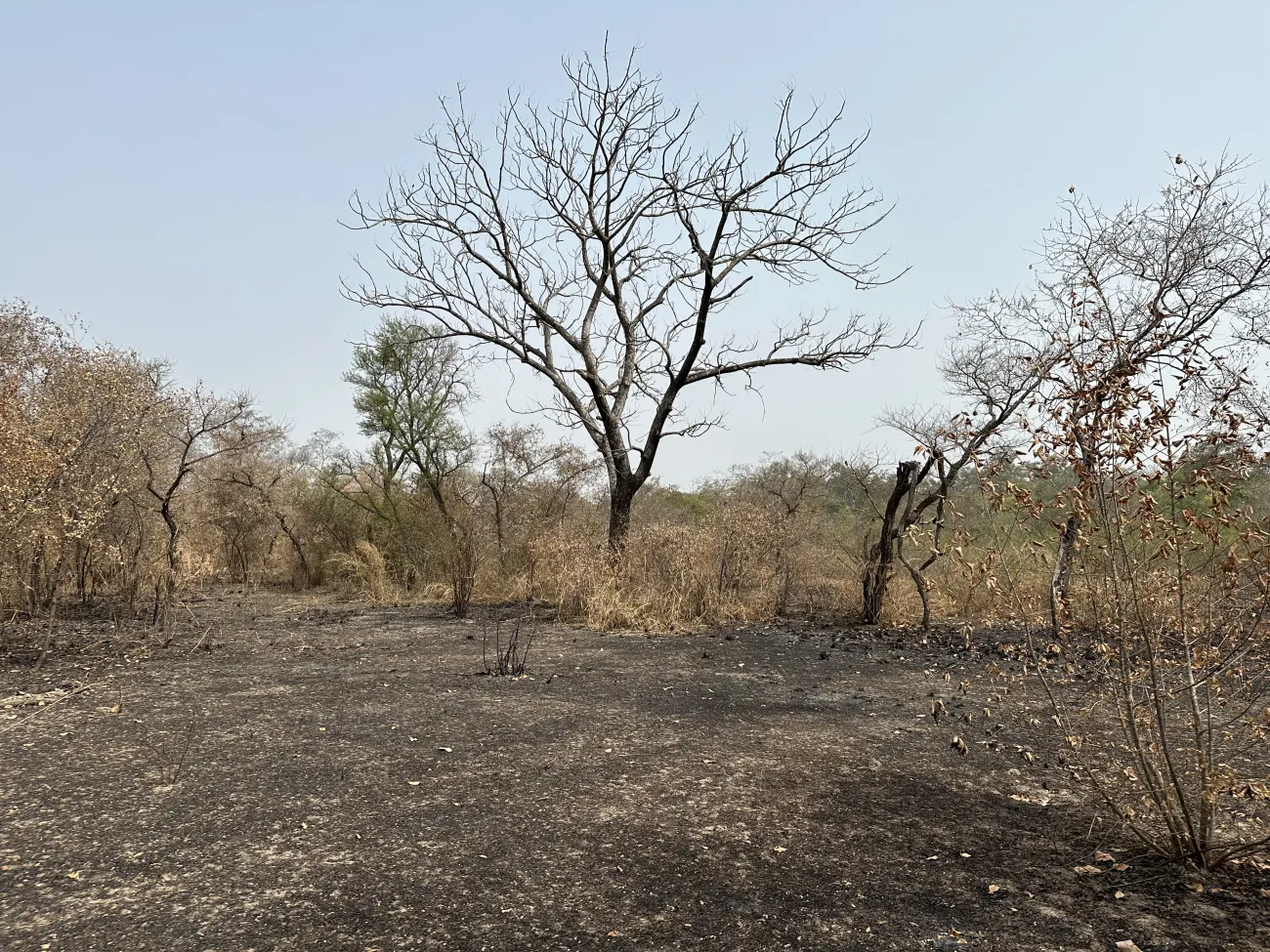
Landscape in the Gbele Game Production Reserve, northern Ghana, showing dry and open vegetation where high atmospheric dryness strongly shapes ecosystem structure and vulnerability.
Xiongjie Deng, a recent DPhil student at the Environmental Change Institute, is among the authors of the study, which used multi-source remote sensing data to examine changes in forest productivity and resilience across the world between 2001 and 2021.
Published in Communications Earth & Environment, the study found that 34% of global forests experienced increasing productivity alongside declining resilience during the study period. This suggests that apparent gains in forest productivity can mask a loss of ecosystem stability.
Xiongjie said:
While global forests appear to be growing faster and becoming greener, our findings reveal a hidden vulnerability underneath. The rise in atmospheric dryness is quietly undermining forest resilience, which means that these ecosystems may be far less prepared to cope with future climate shocks than their productivity gains suggest. To safeguard their long-term health, forest management must look beyond carbon storage and focus on building ecological resilience.”
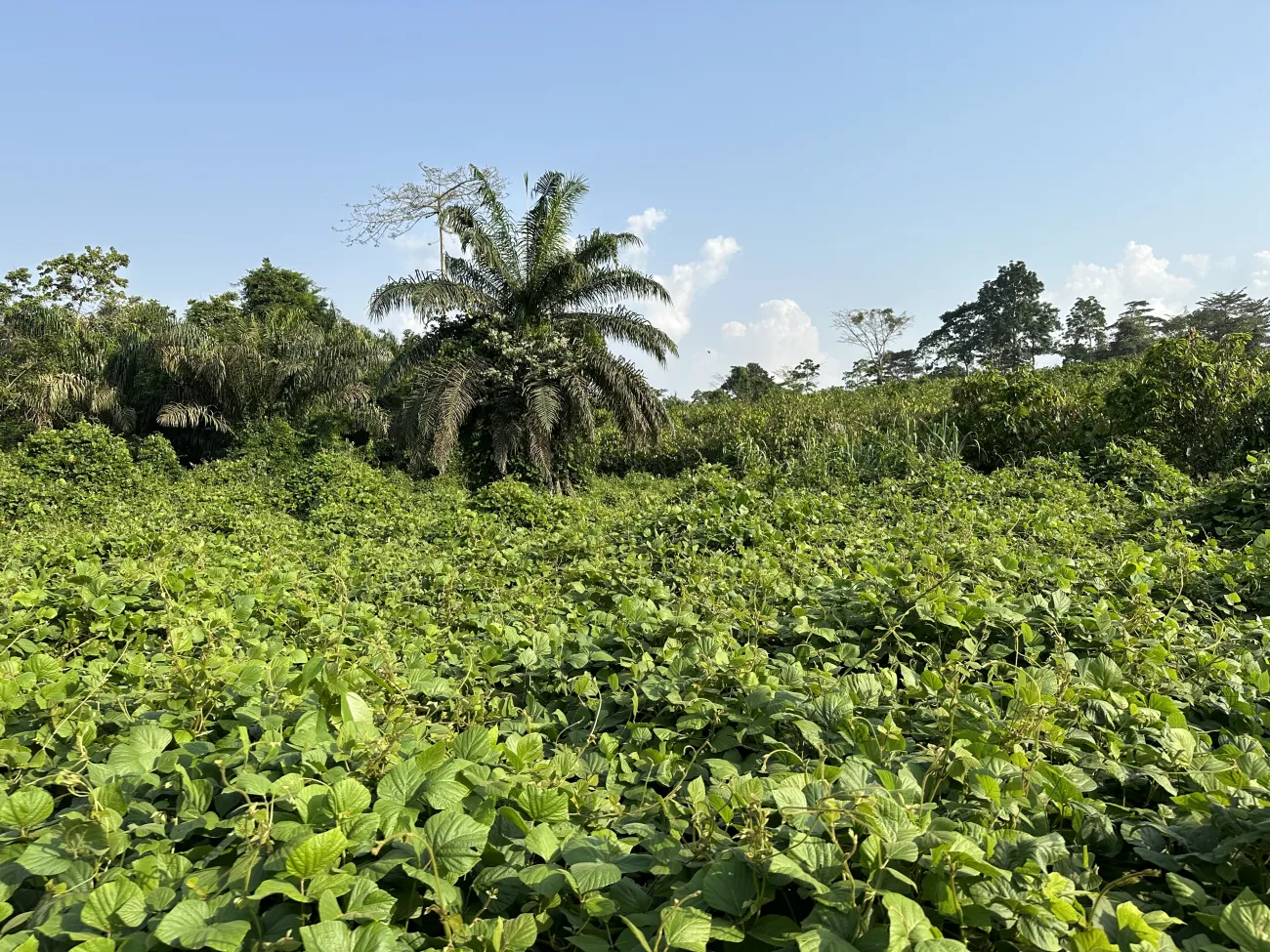
Dense tropical forest in the Central Region of Ghana, representing highly productive forest ecosystems that face increasing atmospheric water demand under climate change.
The researchers identified rising vapour pressure deficit (VPD), a measure of atmospheric dryness, as the primary driver of declining forest resilience. The effects were particularly pronounced in forests that have already been disturbed, which were around twice as sensitive to rising atmospheric dryness as intact forests.
The study also found that more than three-quarters of the forest area affected by simultaneous increases in productivity and declines in resilience was in non-intact forests. Boreal forests accounted for more than half of the affected area, followed by tropical and temperate forests.
The findings highlight the importance of looking beyond carbon uptake when assessing the health and future stability of forests. The researchers say that monitoring forest resilience alongside productivity could help identify ecosystems at greater risk and inform management strategies that support both carbon storage and long-term ecological stability.
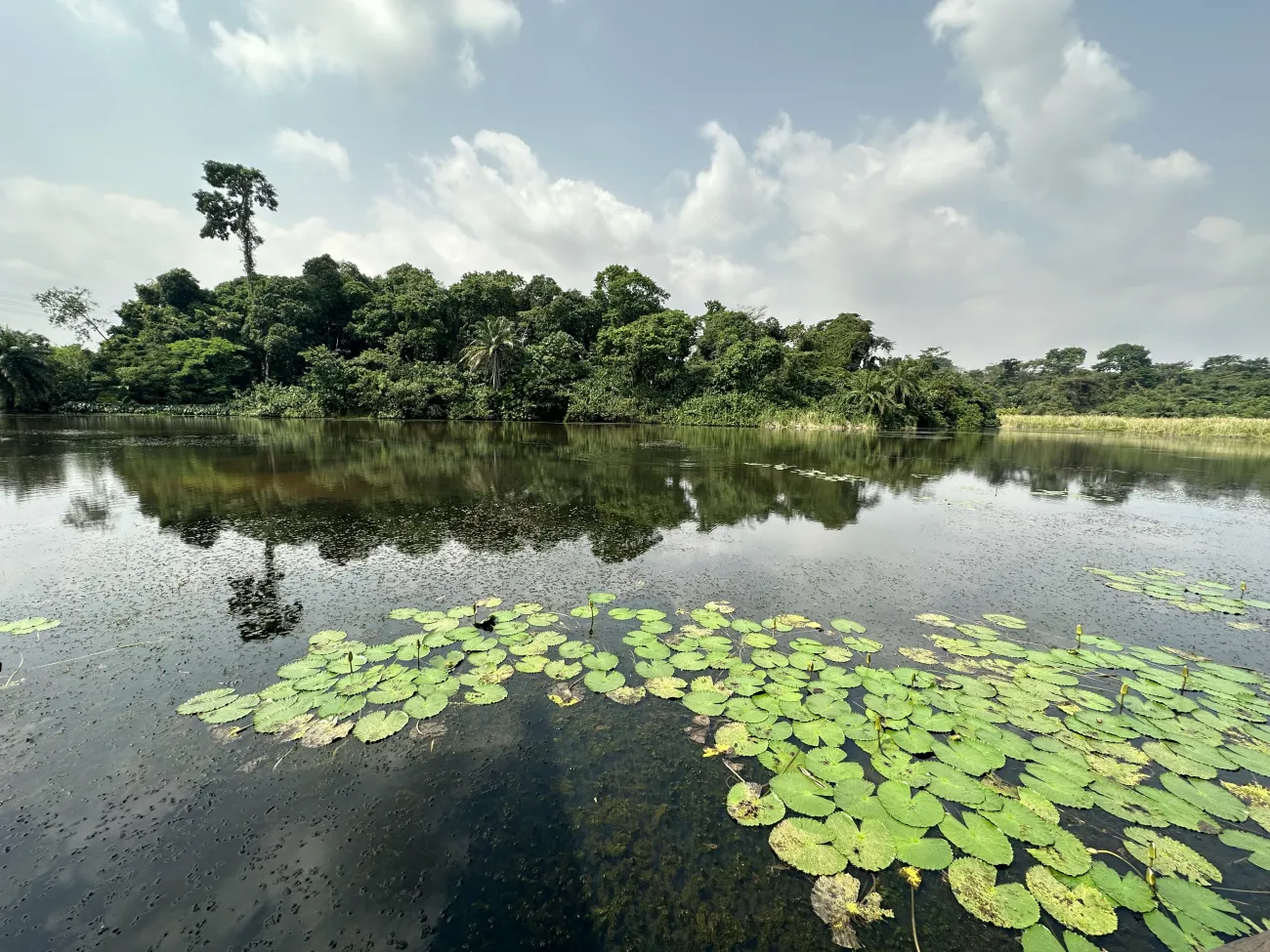
CSIR-Forestry Research Institute of Ghana (FORIG) in Ejisu, Ghana.
The study also points to the potential value of forest management approaches that maintain structural and species diversity, including mixed-species and uneven-aged forests, particularly in areas already affected by disturbance.
Read the full paper in Communications Earth & Environment: Atmospheric aridity drives functional reorganisation and resilience loss in global forests