


Researchers at the Environmental Change Institute (ECI) at the University of Oxford have analysed the National Audit Office’s recent report on the UK’s Energy Company Obligation (ECO) scheme, which found tens of thousands of households with poorly installed or unsafe insulation due to weak oversight, training gaps, and unclear accountability.
Ewan Archer-Brown, DPhil student, Dr Brenda Boardman, Emeritus Research Fellow and Prof Jan Rosenow, Energy Programme Leader and Professor of Energy and Climate Policy at the ECI note that these challenges reflect systemic governance issues rather than isolated failures.
In an article in The Conversation, they say:
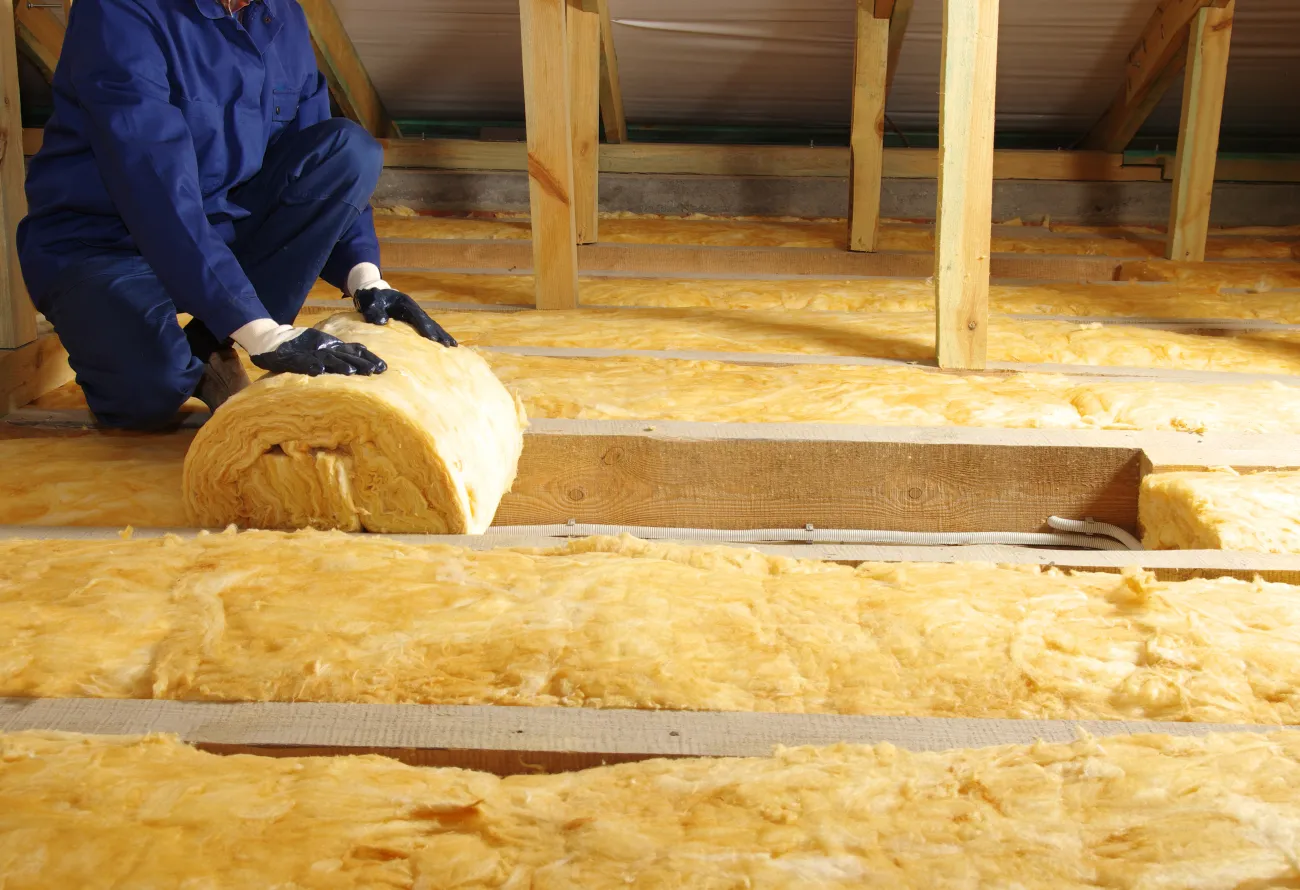
The National Audit Office’s latest findings confirm fears that this was an approach set up to fail. Many installations require major remediation; some pose immediate health risks. The problems are familiar: an under-skilled workforce, uncertified installers, weak regulation and oversight.
“Individually, these problems could be fixed. The government could improve installer training, tighten audits and crack down on fraud. But together, they reveal a deeper problem: a misplaced belief that market-based tools can deliver foundational change.”
The team highlights international lessons, pointing to Germany’s KfW programme as an example of how consistent government support, low-interest finance, and rigorous oversight can successfully drive home retrofits. They also emphasise that local authorities could play a stronger role in coordinating installations, ensuring quality, and linking retrofit to broader social goals such as tackling fuel poverty.
The researchers argue that the UK’s forthcoming Warm Homes Plan is a critical opportunity to shift from short-term market obligations to a coordinated, long-term national effort to decarbonise homes – and that market-based instruments should be complemented rather than replaced.
Read the full article in The Conversation: A home insulation fiasco has left tens of thousands in cold and leaky homes over winter