

Research from the Environmental Change Institute (ECI) at the University of Oxford is helping to embed climate resilience into one of the world’s most widely used road investment planning tools.
The research, led by Pamela Acheng, DPhil student at the ECI, is contributing to the development of the Highway Development and Management Model (HDM-5) — a major upgrade to the World Bank’s software used to appraise road investments in more than 100 countries.
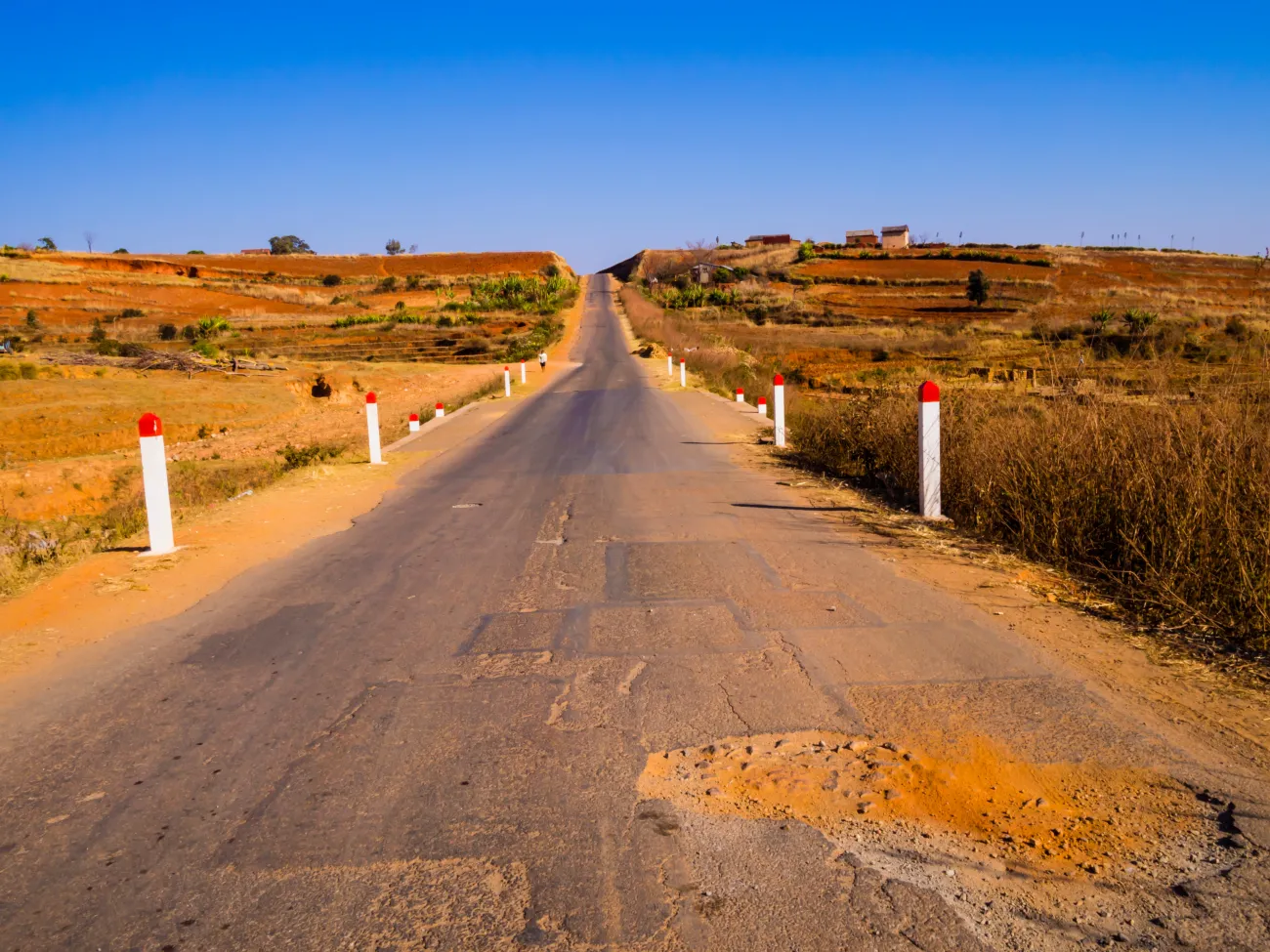
Road infrastructure in emerging economies faces growing risks from flooding, heat and other climate extremes. The ECI study addresses these challenges by developing methods that integrate climate-informed risk assessment and network resilience analysis into traditional transport planning.
The work enables road agencies to evaluate both direct repair costs and wider economic disruptions, helping them prioritise adaptation investments where they are most needed. Pamela said:
This research directly addresses key gaps in existing models by providing practical tools that enhance conventional road asset management with climate-informed risk assessment.
It responds to the demand from national governments and development institutions for evidence-based frameworks that deliver maximum resilience benefits within resource constraints.”
The World Bank team said it was grateful for FCDO’s CCG Research Programme which has funded this important study, and the significant efforts the Oxford team has dedicated to this resilience study that will have a lasting impact on road development worldwide.
Speaking on behalf of the HDM5 development team, Wenxin Qiao, Senior Transport Specialist at the World Bank, said:
Specifically, the approach to climate resilience and network vulnerability in HDM5 will follow the broad decision-making framework outlined in the Oxford report, which will further help incorporate climate resilience into road investment appraisals. The Network Resilience Assessment Pathway is expected to be adopted as a recommended good practice methodology for conducting resilience assessments.
"Accordingly, HDM5 has been structured to enable the integration of external benefits and costs associated with resilience impacts into the overall analysis framework. Additionally, your work on enhancing predictive responses to specific extreme heat and flood events is informing our team as they finalise updates to the HDM-5 deterioration models. These refinements aim to ensure that the models appropriately reflect the sensitivity required to account for climate change impacts.”
The HDM-5 platform is due for release in 2028 and will inform road development and investment decisions worldwide. It’s been supported by the Climate Compatible Growth (CCG) programme — a UK Aid-funded project which aims to support investment in sustainable energy and transport systems to meet development priorities in the Global South.
Read more on the Climate Compatible Growth (CCG) website: CCG engagement with the World Bank moves Sustainable Transport up a gear