



Research by scientists at the ECI has been featured in a major Financial Times interactive feature examining how vulnerable global trade routes are reshaping geopolitics and economic security.
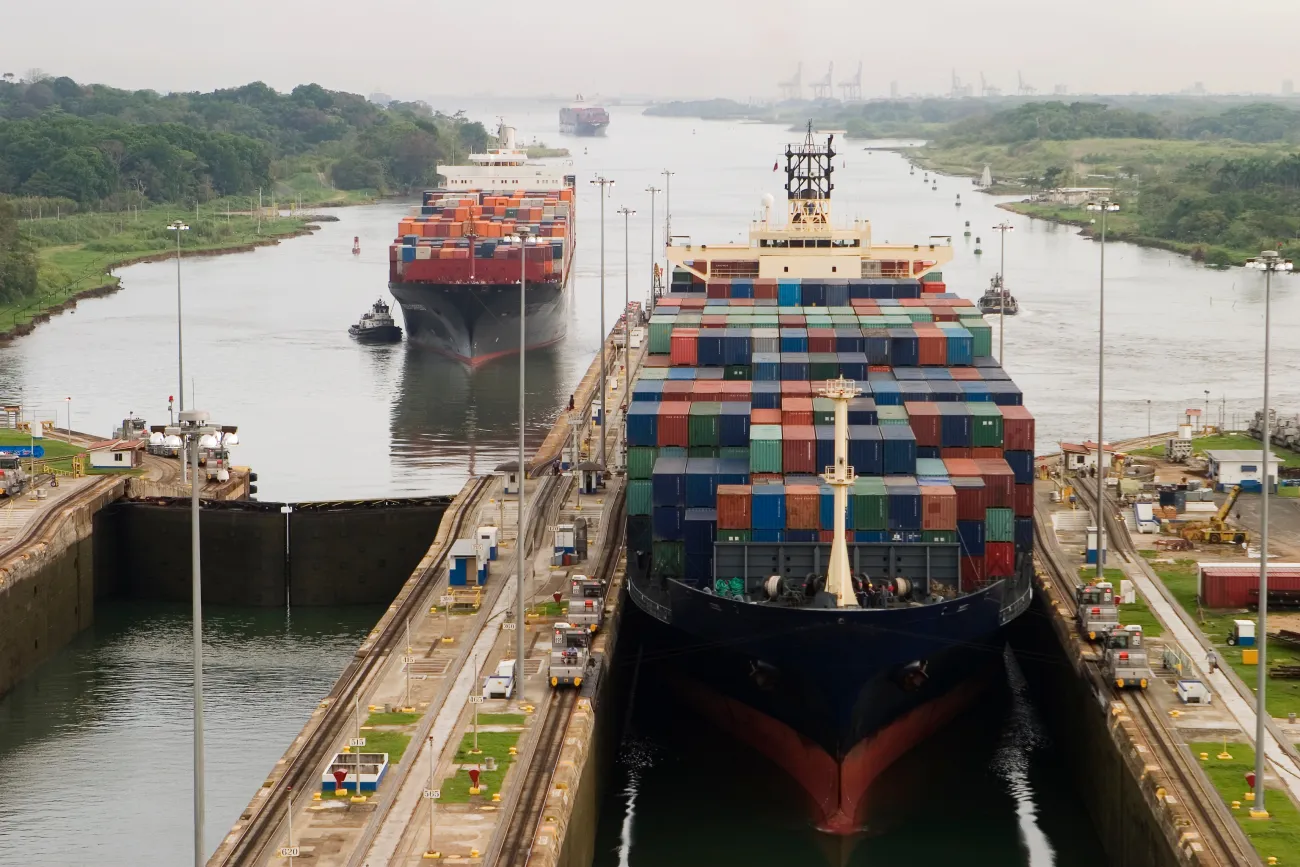
The feature, The power struggle in the world’s narrow seas, explores how disruptions at maritime chokepoints such as the Strait of Hormuz, the Suez Canal and the Taiwan Strait can trigger cascading impacts across energy, food and manufacturing systems.
The FT draws on Oxford research estimating that disruptions at key maritime chokepoints already affect around $190 billion of trade annually, causing economic losses of approximately $14 billion each year. The article also highlights how countries dependent on a small number of shipping routes may face growing risks from conflict, climate impacts and geopolitical competition.
The research was carried out by Dr Jasper Verschuur, Honorary Research Associate, Dr Johannes Lumma, Gallagher Research Fellow, and Professor Jim Hall, Professor of Climate and Environmental Risk, and Lead of the ECI’s Oxford Programme for Sustainable Infrastructure Systems (OPSIS).
They examine the systemic impacts of disruptions at 24 major maritime chokepoints and how these vulnerabilities ripple through global supply chains.
Read the research paper: Systemic impacts of disruptions at maritime chokepoints
The Financial Times feature is available to subscribers: The power struggle in the world’s narrow seas