


An interactive data tool co-developed by researchers at the University of Oxford’s Environmental Change Institute (ECI) is helping to show how different diets can support both human and planetary health. The tool played a key role in the recently published second report of the EAT–Lancet Commission on Healthy, Sustainable, and Just Food Systems, demonstrating how dietary choices can improve nutrition, reduce environmental impacts, and save lives.
The interactive platform allows users to explore variations of the planetary health diet — including flexitarian, pescatarian, vegetarian, and vegan options — and compare their impacts on nutrition, health, and the environment across countries, regions, and demographic groups. By visualising how food choices influence diet-related mortality, greenhouse gas emissions, and other environmental pressures, the tool translates complex global data into actionable insights for policymakers, researchers, and the public.
Dr Marco Springmann, Senior Researcher at the ECI and lead for the team who developed the tool said:
By making this information open and interactive, we hope to support evidence-based decision-making for healthier and more sustainable diets.”
The research team, including Maria Schubring, Olivia Auclair, Sumati Bajaj, Sebastiano Caleffi, Jack Rawden, and Thomas Burke, developed diverse, nutritionally balanced dietary options tailored to the needs and preferences of different populations. Their analysis shows there are multiple pathways to achieving healthy and sustainable diets, and that optimal choices vary by region and demographic group.
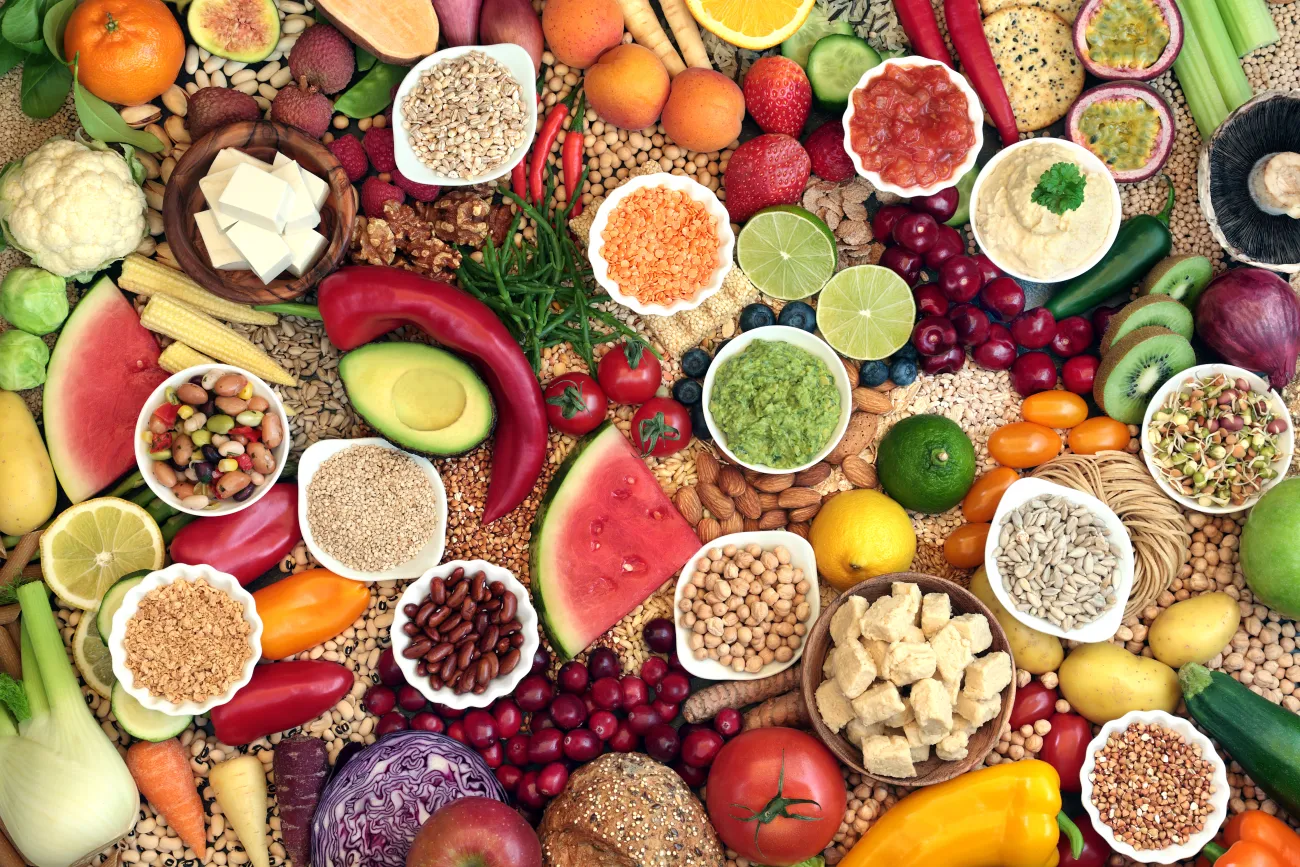
The tool builds on the planetary health diet (PHD) concept first introduced by the EAT-Lancet Commission in 2019. The PHD is flexible, allowing modest meat consumption or vegetarian and vegan options, while emphasizing vegetables, fruits, whole grains, nuts, and legumes. According to the new EAT-Lancet report, adoption of the diet worldwide could prevent thousands of early deaths each day, cut food-related greenhouse gas emissions by half by 2050, and improve overall nutrition.
Dr Springmann added:
Dietary patterns differ greatly around the world. In low-income countries, reducing the intake of refined grains and roots would be important to make space for more fruits, vegetables, legumes, nuts, and healthier oils, while in high-income countries, reducing meat, dairy, and sugar is key for that. Our tool helps policymakers see these differences and plan effective strategies.”
The interactive data explorer is freely available online: https://trainingidn.shinyapps.io/planetary_health_diets
The underlying analysis is detailed in the paper: Many diets for many people: planetary health diets and their health and environmental impacts at global, regional, national, and demographic levels published on the open access preprint platform, Research Square.
Read the full EAT-Lancet report: https://www.thelancet.com/commissions-do/EAT-2025
Read more in The Guardian article: Planetary Health Diet could save 40,000 deaths a day, landmark report finds