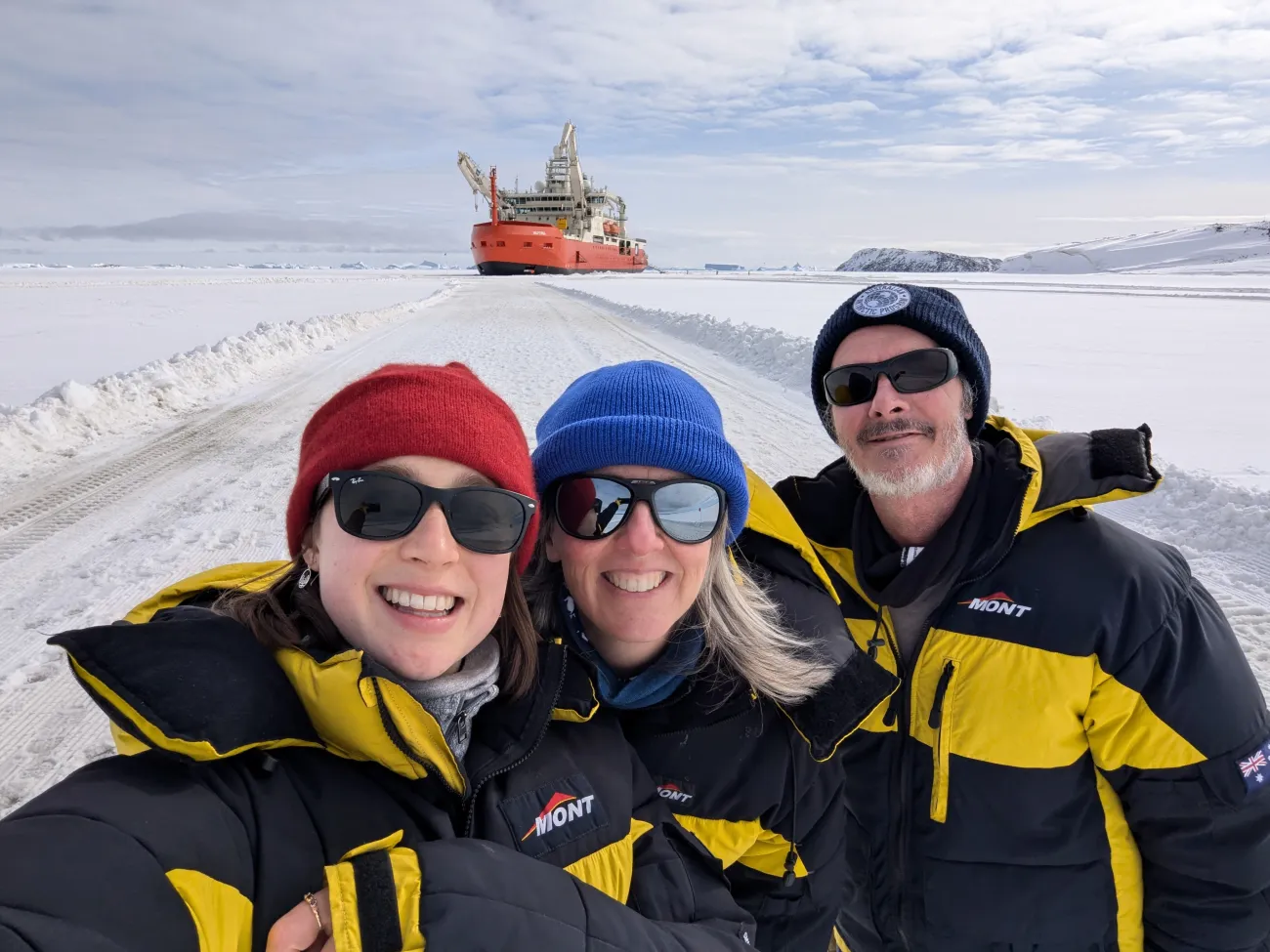
A recent Australian Antarctic Program expedition to Heard Island, one of the world’s most remote and untouched sub-Antarctic territories, has revealed worrying environmental trends. Scientists observed unusually high elephant seal mortality, with signs consistent with H5 avian influenza, and rapidly retreating glaciers forming new lagoons — clear indicators of the growing impacts of climate change in the region.
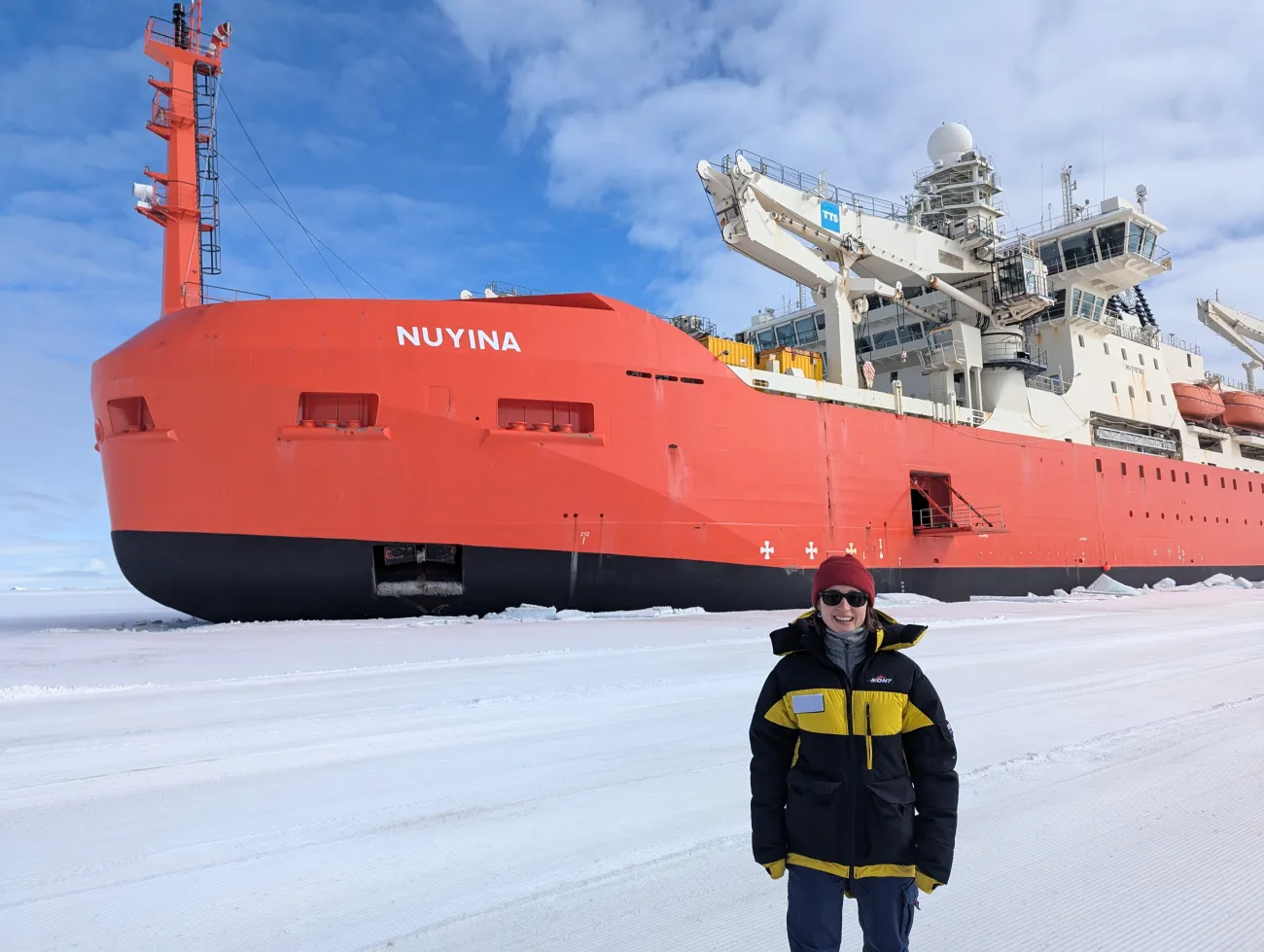
ECI alum Samantha Climie (MSc Environmental Change and Management, ECM, 2023–24) was Voyage Leader for the first voyage of the 2025–26 season to Antarctica with the Australian Antarctic Program, guiding a team of 99 expeditioners and 40 crew members through some of the planet’s harshest and most pristine environments.
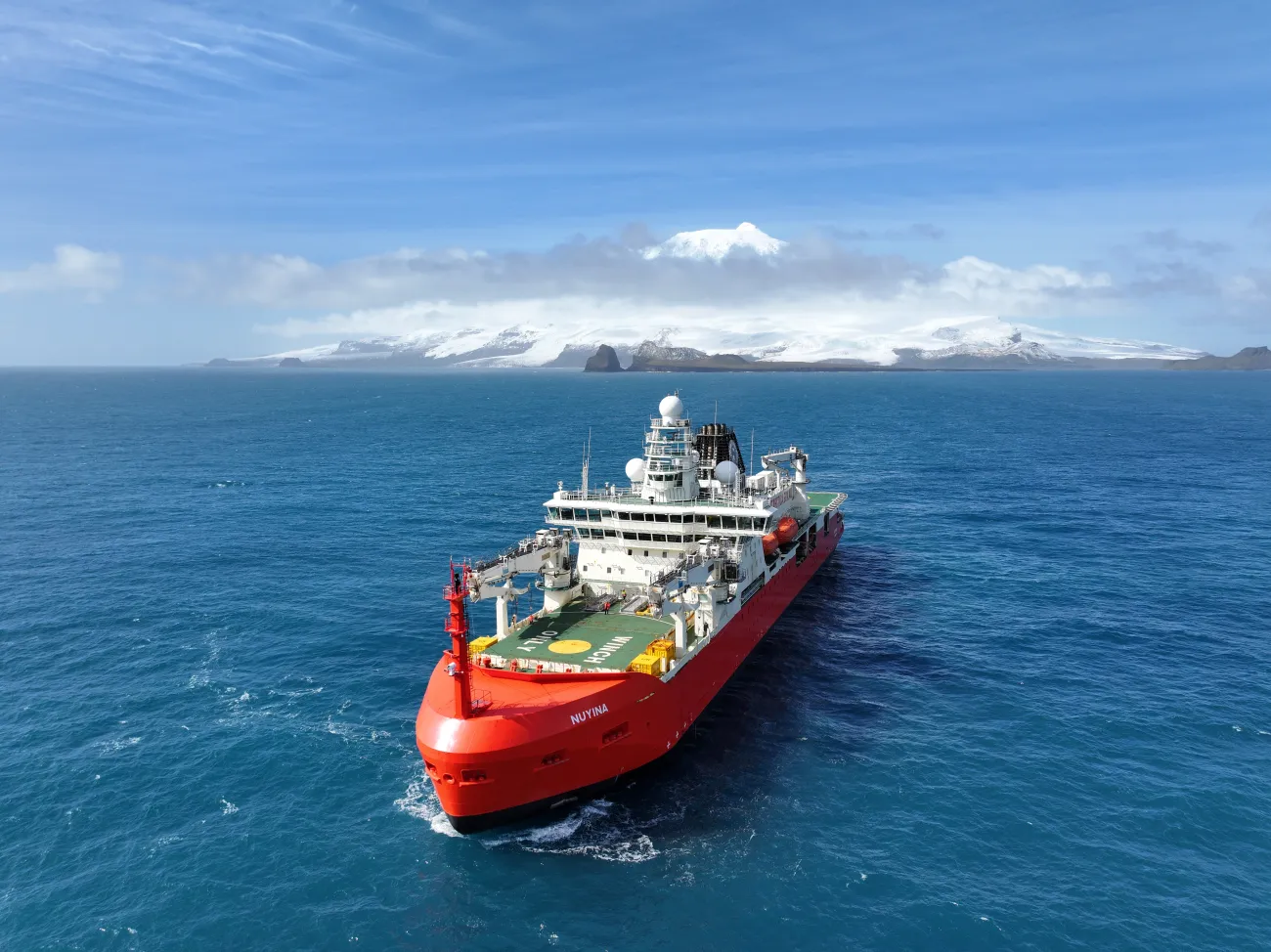
The 52-day voyage, aboard the icebreaker Nuyina, involved transporting key summer personnel and critical cargo to Casey Station via helicopter (over 200 km of winter sea ice). This was followed by a 10-day scientific campaign at the remote Heard Island and McDonald Islands, before conducting the annual over-ice resupply of Davis Research Station with fuel, water, cargo, and personnel. On Heard Island, Samantha and her team studied the volcanic landscape, glaciers, and wildlife, including king penguins, albatross, and elephant seals.
Samantha said:
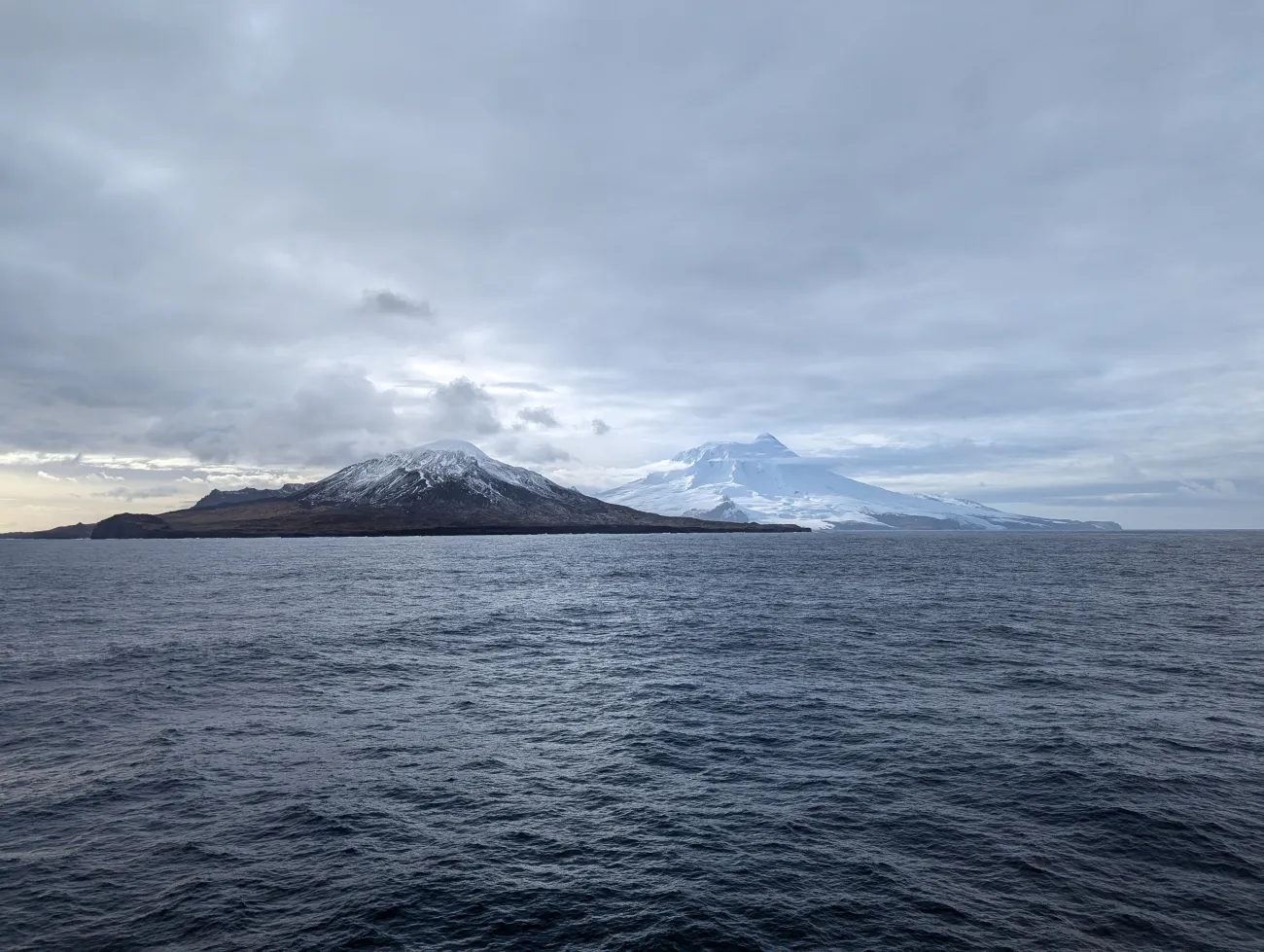
The ten days at Heard Island were extremely busy and challenging. This was the first dedicated voyage to Heard Island in over 20 years. Heard Island is one of the world’s most remote and untouched sub-Antarctic environments. It is Australia’s tallest mountain and only active volcano — a 3,000-metre, glaciated, smoking peak rising out of the Southern Ocean. Sitting in the ‘furious fifties’, the weather is ferocious and changes rapidly.
“We worked around the clock to study wildlife populations, including elephant seals, king penguins, albatross and giant petrels, install sea-level gauges and satellite reflectors, map the ocean floor, and fly drones and helicopters over the island."
Samantha continued:
In addition to the usual logistical and safety challenges of operating in such a remote and dynamic environment, we implemented heightened biosecurity protocols to protect against the likely presence of H5 avian influenza. As expected, wildlife biologists observed unusually high levels of elephant seal mortality. Samples collected and analysed after returning to Australia confirmed that H5 avian influenza had reached Heard Island. The team also observed clear impacts of climate change, including retreating glaciers.
This was an incredibly busy but unique opportunity. It is rare to see such a pristine environment, but the findings are a timely reminder of the pressures even the most remote ecosystems face.”
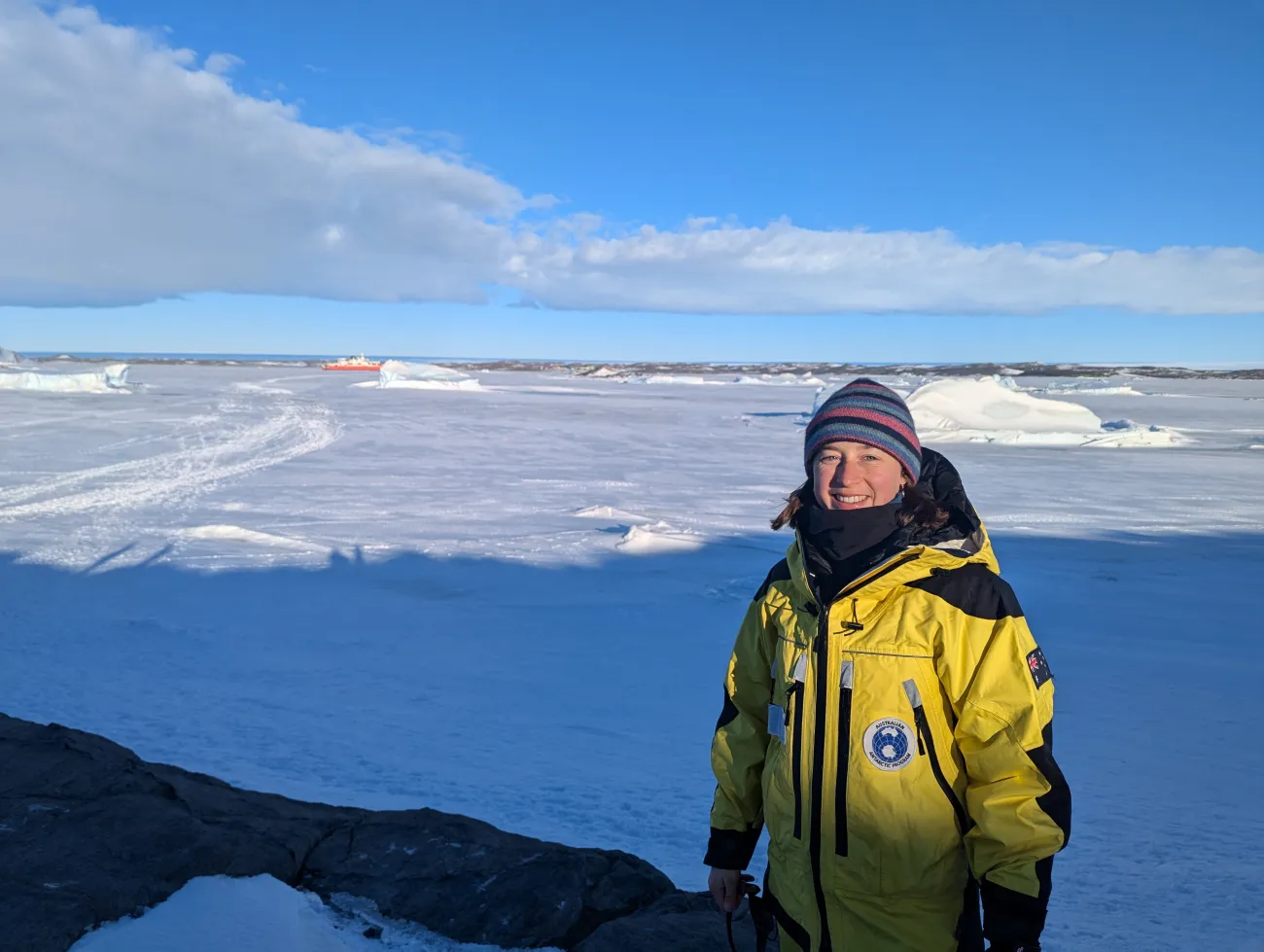
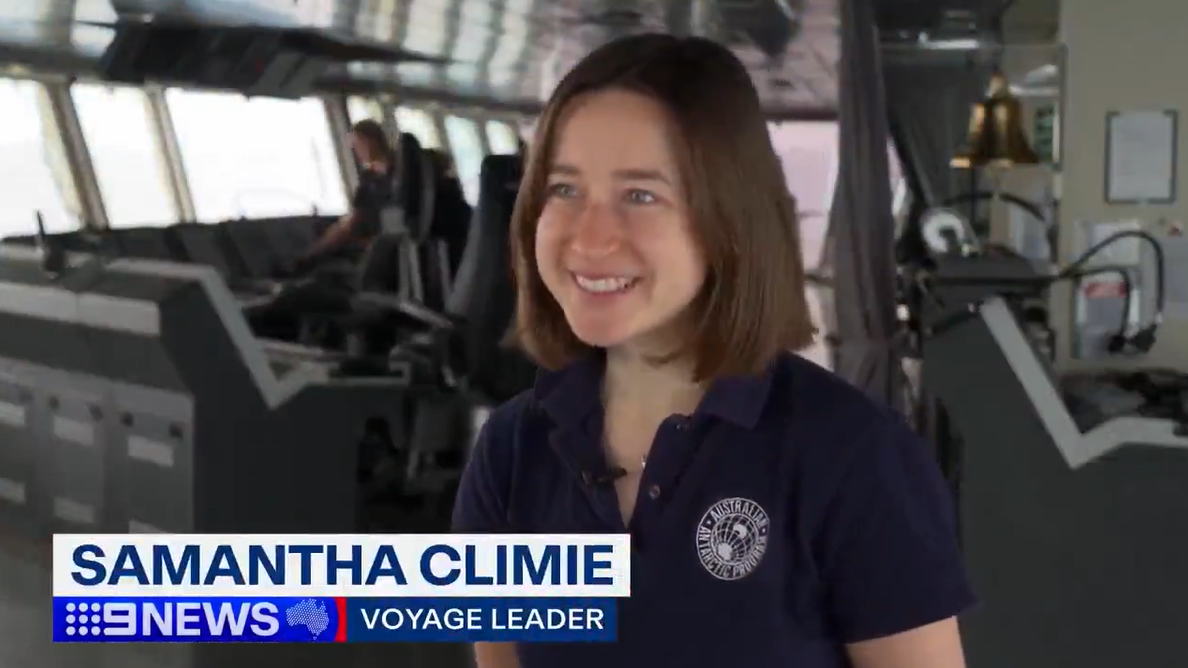
This was Samantha’s sixth voyage to Antarctica with the Australian Antarctic Program. She joined the program as a Watercraft Operator during her law school summer holidays, before progressing to Deputy Leader and then Voyage Leader after graduating. Becoming a Voyage Leader at the age of 25, and now 27, Samantha is helping to break down barriers around what young women can achieve in traditionally male-dominated environments.
Watch the report on Australia’s Nine News.
Since graduating
Samantha graduated from the ECM programme in 2024. As a Rhodes Scholar, she remained in Oxford for a further year to complete a Master of Public Policy at the Blavatnik School of Government. She says this additional year allowed her to deepen her understanding of climate and energy policy, work with the Grantham Research Institute on Climate Change and the Environment on research into climate framework legislation and political backsliding, and work as a casual Research Assistant for Oxford’s Climate Policy Monitor and the Climate Research Forum.
Samantha returned to Australia in July 2025 to complete her legal practice admission and commence her Voyage Leader contract. Having recently returned from Antarctica, she is currently taking an eight-month sabbatical to sail around New Zealand and cycle in Central Asia. She will return to Antarctica in October, before seeking climate law and policy roles in 2027.