

New research from the Environmental Change Institute’s Leverhulme Centre for Nature Recovery reveals that Africa’s wildlife ecosystems are running on less than two-thirds of the energy they once had.
Published in Nature, the study — led by ECI researcher Dr Ty Loft with Prof Yadvinder Malhi — shows that the loss of large animals such as elephants, rhinos, and lions has dramatically reduced the ecological “power” driving nutrient cycling and seed dispersal. The findings highlight urgent risks to biodiversity and livelihoods ahead of COP30 in Brazil.
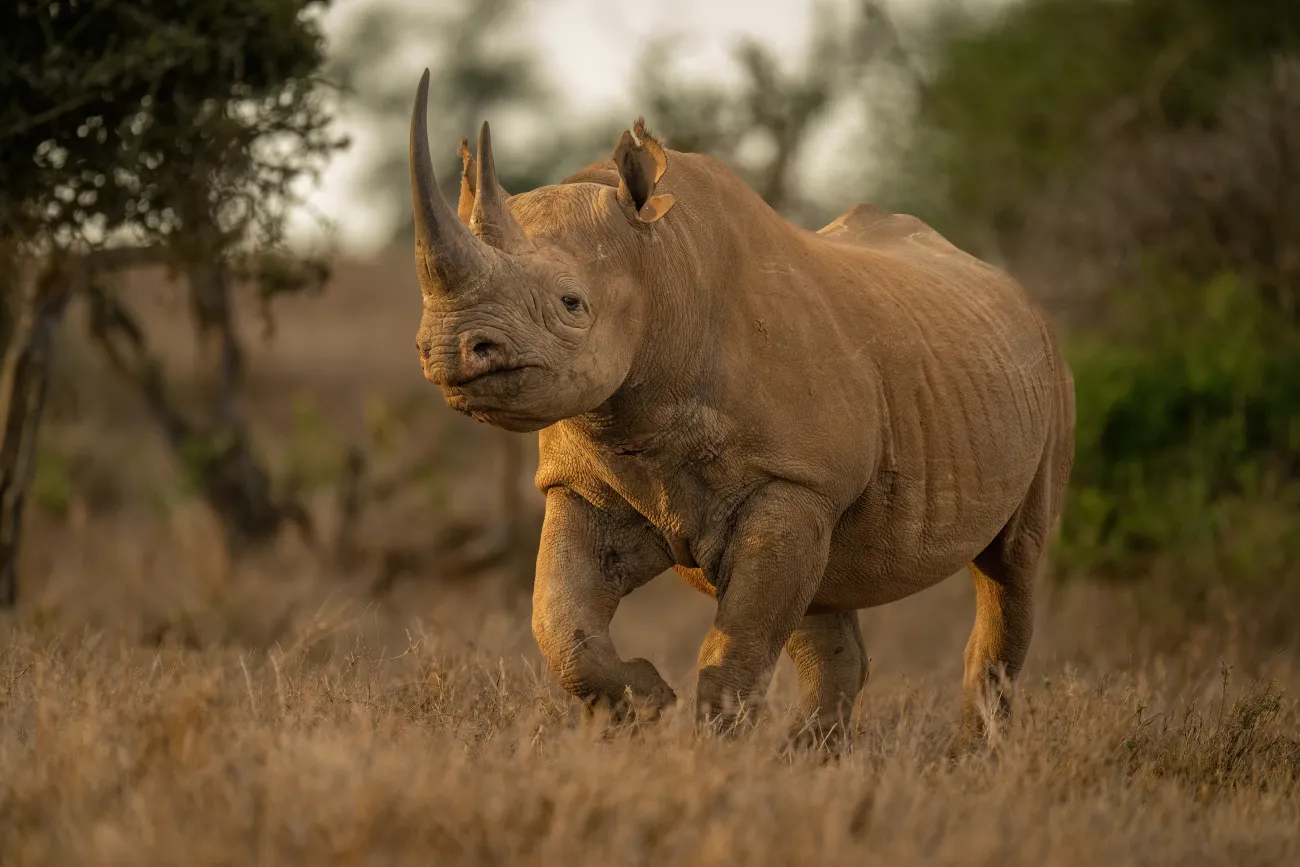
What is their power?
Wild animals, especially big ones like elephants, rhinos, and lions, act as “ecosystem engineers.” Their power is the ability to shape the environment: they spread seeds, recycle nutrients, control vegetation, and help keep ecosystems healthy and productive.
How are they losing it?
Over the past 300 years, many large animals have disappeared or declined. With fewer big animals, the flow of energy through ecosystems—how food and resources move from plants to animals—is much weaker. Smaller animals are still around, but they can’t do the same big jobs that megafauna did.
What are the consequences?
Ecosystems become less productive and less resilient. Forests, savannas, and deserts may change, plants may not grow properly, soils degrade, and the systems that support both wildlife and humans weaken.
How can we fix it?
By restoring wildlife, especially large animals, and focusing on the roles they play, not just their numbers. Conservation and restoration programs can use tools like “energy flow mapping” to measure ecosystem health and prioritise actions that bring back the functions that keep ecosystems strong.
Read more on their study on the Leverhulme Centre for Nature Recovery website.